
Langtang Valley Trek: A Himalayan Journey Through Stunning Landscapes and Culture
Overview
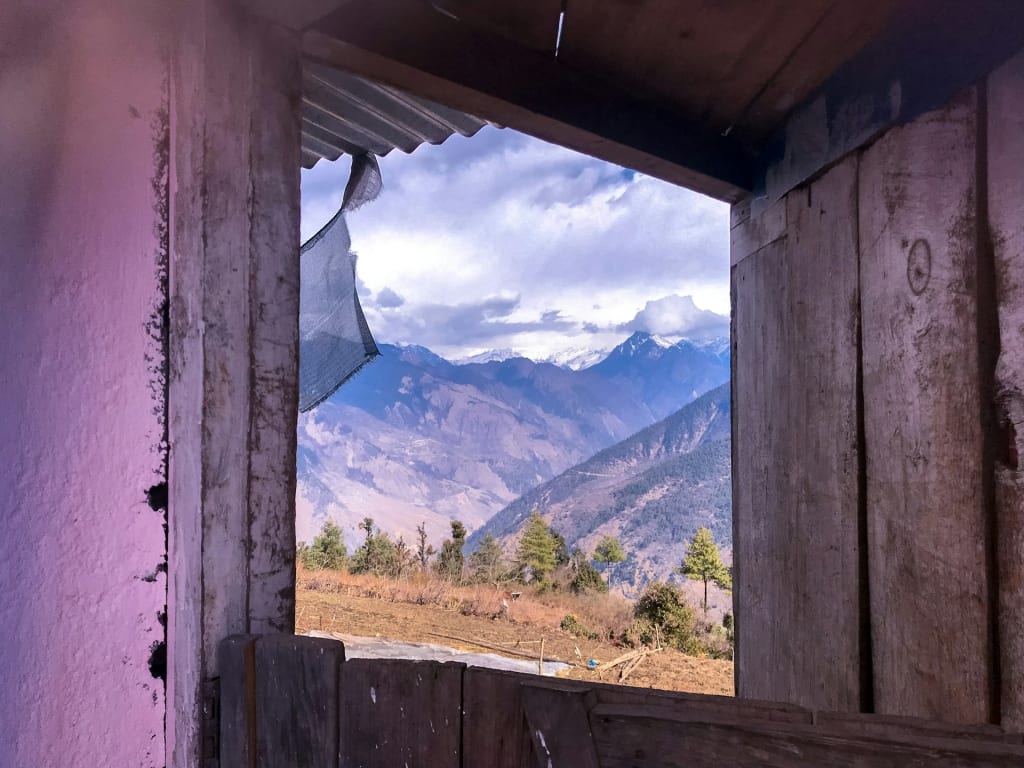
Langtang Valley Trek is one of Nepal's most popular treks, offering trekkers a unique opportunity to explore the serene beauty of the Langtang region, located just north of Kathmandu. With its breathtaking views of snow-capped peaks, lush forests, and Tibetan-influenced culture, this trek is ideal for those seeking a relatively moderate adventure with the chance to experience both natural beauty and cultural richness.
The Langtang Valley is often referred to as the "Valley of Glaciers" due to its stunning array of glaciers and high-altitude landscapes. Not only does the trek offer spectacular mountain views, but it also provides an in-depth cultural experience, as trekkers pass through villages that remain largely unchanged by modern influences, giving them a glimpse into the traditional lives of the Tamang and Sherpa communities.
The Trekking Route: A Path to the Heart of Langtang
The Langtang Valley Trek begins with a scenic drive from Kathmandu to the town of Syabrubesi, located at the gateway to Langtang National Park. From Syabrubesi, trekkers start their journey by walking through lush forests, crossing suspension bridges, and passing through small villages, making their way up the valley.
The trail steadily ascends, offering stunning views of the surrounding peaks, including Langtang Lirung (7,227 meters), the highest peak in the region. Along the way, trekkers will experience diverse landscapes, from subtropical forests to alpine meadows, and encounter the diverse wildlife that inhabits this area, such as the red panda, Himalayan tahr, and various bird species.
Key stops on the trek include Lama Hotel, where trekkers will begin to get their first close-up views of Langtang Lirung, and Langtang Village, which was heavily impacted by the 2015 earthquake but has since been rebuilt. Continuing along the route, trekkers will reach Kyanjin Gompa, a Buddhist monastery at 3,800 meters, which is the highest point of the trek. From here, trekkers can also make a side trip to Kyanjin Ri (4,773 meters) or Tsergo Ri (4,985 meters) for even more spectacular panoramic views of the surrounding peaks.
Acclimatization: Adjusting to High Altitudes
Although the Langtang Valley Trek is not as high-altitude as some other treks in Nepal, altitude sickness can still be a concern for trekkers. The highest point of the trek, Kyanjin Ri, is at 4,773 meters, so it’s important to take acclimatization days seriously. Rest days are built into the itinerary to allow trekkers to adjust to the altitude and minimize the risk of altitude sickness.
In Langtang Village, trekkers are encouraged to take a rest day and explore the area. Similarly, the side trips to Kyanjin Ri or Tsergo Ri also allow trekkers to adjust before returning to lower altitudes. Trekking at a gradual pace and drinking plenty of water are key strategies for successful acclimatization during this trek.
Cultural Encounters: The Tamang and Sherpa Communities
The Langtang Valley is home to the Tamang and Sherpa people, who have lived in the region for centuries, maintaining their traditional ways of life. As trekkers make their way through the valley, they will encounter these communities and gain insight into their rich cultural heritage.
The Tamang people, who are believed to have Tibetan roots, have a deep connection to Tibetan Buddhism. Along the way, trekkers will pass by numerous gompas (monasteries) and prayer wheels, which are integral parts of the Tamang spiritual life. Visitors are often welcomed into the homes of local villagers, where they can enjoy traditional meals and learn about the customs and traditions of the people who live in this region.
Langtang Village, once home to a large Tamang population, was devastated by the 2015 earthquake. The community has shown incredible resilience, and trekkers can see firsthand how the villagers have rebuilt their homes and livelihoods. Visiting the area offers a powerful opportunity to connect with the local people and understand the impact of the earthquake on their lives.
The Physical and Mental Demands: A Rewarding Challenge
While the Langtang Valley Trek is considered a moderate trek, it still presents physical and mental challenges. The trek involves long days of walking on varied terrain, from rocky paths to forest trails, and trekkers need to be prepared for the physical exertion required to complete the route.
The trek's moderate altitude means that while the body doesn't face the same extreme challenges as higher-altitude treks, the increased physical demand of the terrain can still be exhausting. The route's varied elevations also demand mental stamina, as trekkers must stay focused, pace themselves, and adjust to changing conditions.
Despite these challenges, the trek rewards those who make the effort with some of the most stunning views in the Himalayas. The sight of snow-capped peaks towering above the lush green valley and the chance to witness firsthand the daily lives of the Tamang and Sherpa communities make every step worthwhile.
The Landscape: A Breathtaking Himalayan Haven
One of the standout features of the Langtang Valley Trek is its stunning natural beauty. The region boasts a variety of landscapes, from dense forests of oak, rhododendron, and pine, to alpine meadows dotted with wildflowers. The trek also offers glimpses of some of the most majestic peaks in the Himalayas, including Langtang Lirung, Gangchempo, and Dorje Lakpa.
In addition to the high mountains, trekkers will encounter numerous glaciers, rivers, waterfalls, and rocky ridges along the route. As you approach Kyanjin Gompa, the landscape becomes more dramatic, with the towering mountains creating a backdrop of incredible grandeur. The views are especially spectacular when trekking up to Kyanjin Ri or Tsergo Ri, where trekkers are rewarded with panoramic vistas of the Langtang Himal range and beyond.
The Rewards: A Journey of Personal Achievement
The Langtang Valley Trek offers a unique blend of physical challenge, cultural immersion, and natural beauty, making it a deeply rewarding experience. For many trekkers, it is not just a trek, but a personal achievement. The opportunity to explore the region’s remote valleys, interact with the welcoming local communities, and witness the raw beauty of the Himalayas makes this trek unforgettable.
Completing the Langtang Valley Trek is not just about reaching the destination; it's about the entire journey—the cultural encounters, the physical challenges, and the landscapes that leave a lasting impression. Whether it’s standing at the edge of a glacier, gazing at the towering peaks, or sharing a meal with the Tamang people, the Langtang Valley Trek offers experiences that will remain with trekkers long after they return home.
Conclusion
The Langtang Valley Trek is a perfect combination of adventure, culture, and natural beauty. It offers a moderate challenge for trekkers, with breathtaking views of the Himalayas, a chance to experience the traditional lifestyles of the Tamang and Sherpa communities, and an opportunity for personal growth. The trek is ideal for those looking to explore a less-crowded region of Nepal while still enjoying some of the best mountain scenery the country has to offer. Whether you are a seasoned trekker or a first-time visitor to the Himalayas, the Langtang Valley Trek is sure to provide a memorable and rewarding experience.
About the Creator
Keep reading
More stories from Oliver Backman and writers in Earth and other communities.
Rafting in Nepal: An Exhilarating White-Water Adventure
Nepal, renowned for its towering peaks, is also home to some of the best white-water rafting experiences in the world. With rivers flowing down from the Himalayas, rafters can experience thrilling rapids, stunning landscapes, and remote river valleys. Whether you're a beginner seeking a scenic float or an adrenaline junkie looking for intense rapids, Nepal offers something for everyone.
By Oliver Backman11 months ago in Earth
Polar Vortex Collapse Forecast: What It Really Means and Why Experts Are Watching Closely
As winter settles in, a term that always seems to capture the attention of meteorologists and the public alike is the "polar vortex." And when experts talk about a polar vortex collapse, it's not just another weather pattern to be dismissed. In fact, the forecast of a potential collapse of the polar vortex is a serious matter that can have significant consequences on weather around the globe. But what exactly does this phenomenon mean, and why are so many experts paying close attention? Let’s break it down.
By Ayesha Lashari7 days ago in Earth
Prosperity Without Relief: Why Many Saudis Feel Squeezed Amid an Economic Boom
Saudi Arabia is frequently portrayed as a nation in the midst of a historic economic transformation. Mega-projects rise from the desert, foreign investment conferences draw global CEOs, non-oil revenues are expanding, and the Kingdom’s Vision 2030 reform agenda is regularly praised as bold and ambitious. On paper, the economy appears dynamic and forward-looking.
By Ayesha Lashariabout 18 hours ago in Earth


Comments
There are no comments for this story
Be the first to respond and start the conversation.