
Langtang Gosaikunda Trek: Sacred Lakes and Himalayan Valleys
A Scenic and Spiritual Himalayan Journey
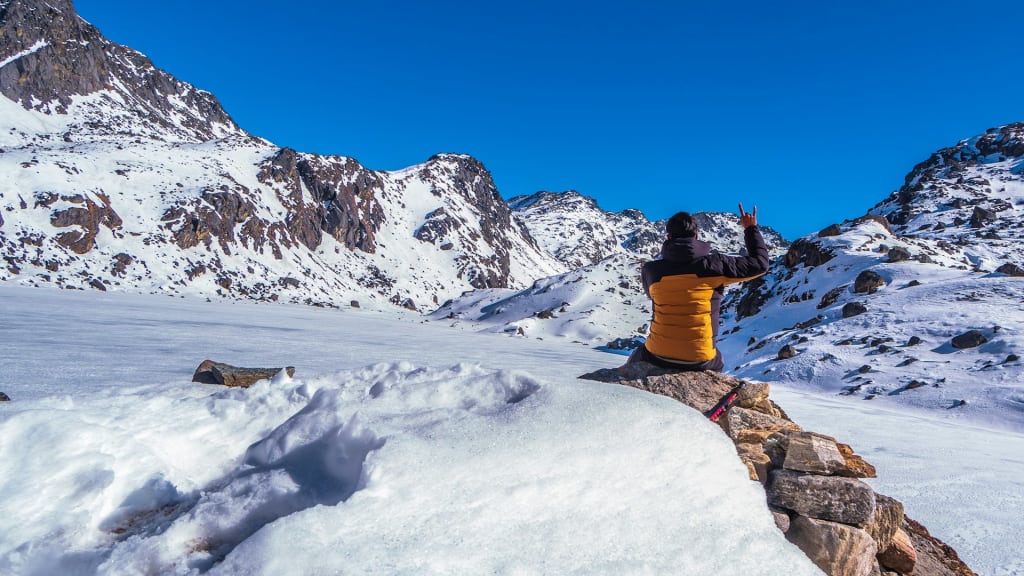
The Langtang Gosaikunda Trek is a stunning blend of high alpine landscapes, sacred lakes, and traditional mountain villages, all within easy reach of Kathmandu. This journey takes you through the heart of the Langtang Valley, across high ridges, and up to the holy lakes of Gosaikunda, offering a trekking experience that combines nature, culture, and spiritual energy.
From Forested Trails to Alpine Views
The journey begins at Syabrubesi, a lively village by the banks of the Bhote Koshi River. The trail ascends gradually through dense forests inhabited by red pandas, langurs, and Himalayan black bears. With every hour of trekking, the landscape changes—thick green woodlands give way to grassy ridges, cascading waterfalls, and deep valleys framed by snow-capped peaks.
By the time you reach Lama Hotel, the air becomes cooler and the forest denser. Continuing on to Langtang Village, you’ll notice the impressive transformation in both scenery and culture. The village, rebuilt after the 2015 earthquake, is a symbol of strength and resilience, surrounded by glacial cliffs and towering ridges.
Langtang Valley and Kyanjin Gompa
One of the most beautiful parts of the trek is the stretch through the Langtang Valley, leading to the village of Kyanjin Gompa. Here, trekkers can explore the centuries-old monastery, sample yak cheese from the local factory, or take day hikes to Tserko Ri or Langshisha Kharka for panoramic mountain views. The area is peaceful and filled with reminders of Tibetan heritage and the resilience of local communities.
The Sacred Lakes of Gosaikunda
After returning to Thulo Syabru or Chandan Bari (Sing Gompa), the trail veers steeply toward Gosaikunda, a cluster of glacial lakes nestled high in the Himalayas at 4,380 meters. These lakes are deeply sacred in both Hindu and Buddhist traditions. According to legend, Gosaikunda was created by Lord Shiva to quench his thirst after swallowing poison to save the world. The lake’s crystal-clear water, surrounded by rugged peaks, inspires both awe and peace.
During the Janai Purnima festival, pilgrims from across Nepal visit this site, and the region becomes alive with religious rituals and colorful celebrations. Even outside the festival season, the spiritual energy of Gosaikunda is palpable.
Crossing the Laurebina Pass
The highest point of the trek is Laurebina La Pass (4,610 m), which connects the lake region with the Helambu and Kathmandu side. Crossing this pass is physically demanding but incredibly rewarding, with sweeping views of the Langtang, Manaslu, and even distant Annapurna ranges on a clear day.
Best Season for the Trek
The most favorable times to trek are spring (March to May) and autumn (September to November). During these months, the weather is stable, skies are clear, and trails are at their most scenic with blooming flowers or crisp mountain air.
Culture and Community
The trek passes through Tamang and Sherpa villages, where local traditions, dress, and Buddhist practices remain strong. The hospitality of the people in this region adds warmth and authenticity to the entire journey. From stone-built homes to fluttering prayer flags and carved mani walls, the cultural experience is as enriching as the mountain scenery.
Duration and Difficulty
Most trekkers complete the Langtang Gosaikunda Trek in 12 to 15 days, depending on the pace and side trips. While it doesn’t require technical skills, good physical fitness is essential, especially for the altitude gain and high passes. The route is well-served with teahouses, making it a comfortable yet adventurous experience.
Final Thoughts
The Langtang Gosaikunda Trek is perfect for those seeking a meaningful Himalayan trek that’s rich in both natural beauty and cultural depth. Whether it’s the high ridges of Laurebina, the spiritual calm of Gosaikunda Lake, or the tranquil beauty of Langtang Valley, every part of the trail offers a unique sense of connection—to the land, the people, and the mountains.
About the Creator
Keep reading
More stories from Oliver Backman and writers in Earth and other communities.
Chulu West Peak: A Himalayan Climbing Adventure
The Chulu West Peak adventure is more than just a climb; it’s a journey through some of the most beautiful and peaceful corners of the Annapurna region. Rising above the remote landscapes of Manang, Chulu West stands tall, inviting those who dream of stepping into a world where mountains meet the sky.
By Oliver Backman10 months ago in Earth
Cypro Banker Adversaries: How Cyber Threats Are Challenging Banks and Financial Systems
In the digital age, the banking sector has become a prime target for cyber adversaries — groups and individuals seeking to exploit vulnerabilities for financial gain, espionage, or disruption. Cypriot banks, despite their reputation as a stable financial hub, are not immune to these threats. The term “Cypro banker adversaries” captures the growing spectrum of cyber attacks, ranging from ransomware and malware campaigns to complex state-linked operations targeting banks in Cyprus and beyond.
By Ayesha Lashariabout 16 hours ago in Earth
from death into life
Young Aldin of Wiloh had never contemplated death. It was almost strange — so many around him had the tendency to obsess over it, to clamor and claw almost desperately at their own perceptions of the end to know death as much as they could: when it would come, why it would come, where it would take them when it did.
By angela hepworth3 days ago in Fiction



Comments
There are no comments for this story
Be the first to respond and start the conversation.