
Ketamine: Exploring the Uses, Effects, and Potential Benefits of a Powerful Drug
Exploring the Uses, Effects, and Potential Benefits of a Powerful Drug
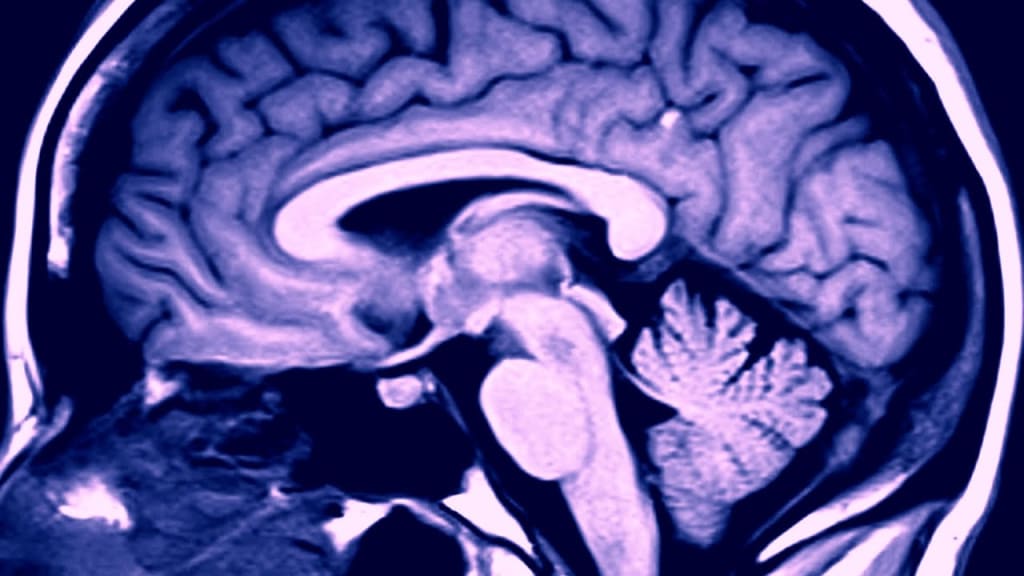
Ketamine, originally developed as an anesthetic, has gained attention in recent years for its potential therapeutic uses and recreational effects. This article delves into the various aspects of ketamine, including its history, medical applications, recreational use, and ongoing research. We'll explore the effects of ketamine on the body and mind, its potential benefits in treating mental health conditions, and the concerns associated with its misuse.
Historical Context:
Ketamine was first synthesized in the 1960s and quickly gained popularity as a dissociative anesthetic. It was widely used in medical settings for surgical procedures due to its rapid onset and short duration of action. However, its potential for recreational use and abuse emerged, leading to increased scrutiny and regulation.
Medical Applications:
Beyond its anesthetic properties, ketamine has demonstrated potential in various medical applications. It has been used as an analgesic for acute and chronic pain management, particularly in cases where other medications have proven ineffective. Additionally, ketamine has shown promise in the treatment of treatment-resistant depression, post-traumatic stress disorder (PTSD), and other mental health conditions.
Mechanism of Action:
Ketamine acts on the brain's N-methyl-D-aspartate (NMDA) receptors, which play a crucial role in pain perception, mood regulation, and cognition. By blocking these receptors, ketamine induces dissociative and anesthetic effects, as well as modulates neurotransmitter signaling, leading to its potential therapeutic benefits.
Recreational Use and Concerns:
Ketamine has gained popularity as a recreational drug due to its dissociative effects and hallucinogenic properties. It is often consumed in powder form or as a liquid, with users seeking altered states of consciousness. However, the recreational use of ketamine carries risks, including physical and psychological dependence, adverse effects on cognition and memory, and potential long-term health consequences.
Ketamine-Assisted Therapy:
One of the most intriguing aspects of ketamine is its potential use in psychotherapy settings. Ketamine-assisted therapy involves the administration of controlled doses of ketamine under medical supervision to facilitate deep emotional exploration and healing. Studies have suggested that ketamine can help individuals access repressed memories, process trauma, and experience profound insights.
Mental Health Treatment:
Ketamine has shown remarkable results in the treatment of depression, particularly in cases of treatment-resistant depression where other medications have failed. Its rapid onset of action and ability to produce short-term relief make it a potential alternative for individuals in immediate crisis. However, further research is needed to determine optimal dosing, treatment protocols, and long-term effects.
Potential Side Effects and Risks:
While ketamine can be a powerful tool for medical professionals, it is not without risks. Adverse effects include dissociation, hallucinations, elevated heart rate and blood pressure, nausea, and potential bladder and urinary tract problems with chronic use. Responsible use and careful monitoring by healthcare providers are crucial to mitigate these risks.
Ongoing Research and Future Directions:
Researchers continue to explore the potential of ketamine in various fields, including psychiatry, pain management, and addiction treatment. Efforts are underway to develop alternative formulations and delivery methods that maximize therapeutic benefits while minimizing side effects. Long-term studies are needed to better understand the safety profile and potential risks associated with prolonged ketamine use.
Conclusion:
Ketamine is a complex drug with a rich history and diverse range of applications. While it has shown promise as a therapeutic tool in mental health treatment and pain management, it is essential to approach its use with caution and under the guidance of healthcare professionals. Continued research and responsible use will help unlock the full potential of ket
About the Creator
Birds with Wild Hairdos
Cockatoos are known for their expressive crests, which they raise or lower depending on their mood. The crests can be white, yellow, or pink. These charismatic birds are native to the Australian continent, the islands of the Indo-Australian archipelago, and parts of New Guinea. There are 21 different species of cockatoo, varying in size from the diminutive Galah to the imposing Sulphur-crested Cockatoo. Most cockatoo species are highly social birds, forming strong pair bonds that often last a lifetime. Cockatoos are primarily herbivores, with a diet consisting of seeds, nuts, fruits, roots, and occasionally insects and larvae.
By Rasma Raistersabout 13 hours ago in Earth
Regenerative Agriculture's Quiet Revolution
by Futoshi Tachino Regenerative agriculture — a holistic approach to farming that restores soil health, biodiversity, and resilience — has rapidly gained traction in recent years. This shift remains largely underappreciated by the public; in a 2024 survey, around 43% of U.S. consumers had never heard of regenerative agriculture (and another 28% had only minimal awareness) [4]. Despite this low profile, tangible developments in regenerative farming are delivering robust results. Farmers are proving that it’s possible to maintain high yields with fewer chemical inputs, improve profitability, and enhance ecological outcomes — all at once. This article explores the evidence-backed progress of regenerative agriculture across regions, the policies and technologies driving its adoption, and why this overlooked sustainability success story deserves greater recognition.
By Futoshi Tachino6 days ago in Earth




Comments
There are no comments for this story
Be the first to respond and start the conversation.