
Keep Your Garden Green: A Comprehensive Watering Guide
Water Your Garden

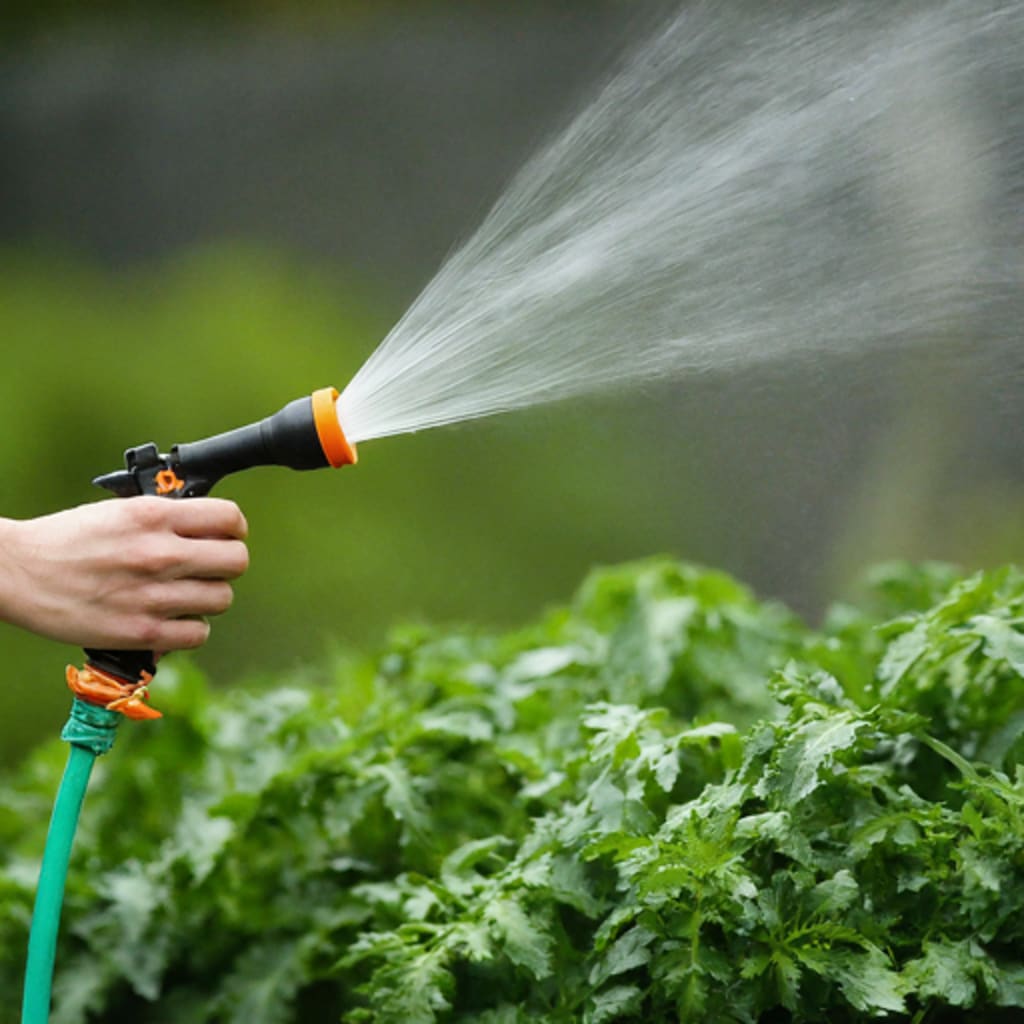
A lush, vibrant garden is a testament to a gardener's care and attention. While sunlight and fertile soil are essential, water is the lifeblood of any plant. Proper watering is crucial for healthy growth, bountiful harvests, and stunning blooms. In this guide, we'll delve into the intricacies of watering your garden, ensuring your plants thrive.
Understanding Your Plants' Thirst
Every plant has unique water requirements. Factors such as plant type, climate, soil type, and container size influence how often and how much water your plants need.
- Succulents and cacti: These desert dwellers store water in their leaves and stems, requiring infrequent watering.
- Tropical plants: These lush beauties love humidity and regular watering, especially during hot weather.
- Vegetables and herbs: Most require consistent moisture, but avoid overwatering to prevent diseases.
- Flowers: Water needs vary by species, but generally, they appreciate regular watering, especially during blooming.
Watering Techniques
The method you choose to water your garden can significantly impact its health.
- Soaker hoses: These deliver water slowly and directly to the root zone, minimizing evaporation.
- Drip irrigation: This efficient system delivers water drop by drop, reducing water waste.
- Hand watering: Ideal for small gardens or container plants, allowing precise control.
- Sprinklers: Best for large lawns, but can lead to overwatering and water loss through evaporation.
Watering Schedule
The best time to water your garden is early morning. This allows plants to absorb water before the day's heat causes excessive evaporation. Avoid watering in the evening as damp leaves can encourage fungal diseases.
The frequency of watering depends on several factors:
- Climate: Hot, dry climates require more frequent watering.
- Soil type: Sandy soil drains quickly, needing more frequent watering than clay soil.
- Plant type: As mentioned earlier, different plants have varying water needs.
- Weather: Periods of rain may reduce the need for supplemental watering.
Signs of Underwatering and Overwatering
Recognizing the signs of improper watering is crucial for plant health.
- Underwatering: Wilting leaves, dry soil, stunted growth, and yellowing leaves are common indicators.
- Overwatering: Yellowing leaves, soggy soil, root rot, and fungal diseases can occur.
Water Quality
The quality of water you use can impact your plants. Chlorine in tap water can harm sensitive plants. Consider using rainwater, well water, or letting tap water sit for a day to allow chlorine to dissipate.
Mulching
Mulching helps conserve soil moisture by reducing evaporation. Organic mulches like compost or wood chips can also improve soil fertility.
Conclusion
Mastering the art of watering your garden is a rewarding journey. By understanding your plants' needs, choosing the right watering method, and establishing a consistent schedule, you can create a thriving oasis. Remember, observation is key. Regularly check your plants for signs of under or overwatering, and adjust your watering practices accordingly. With a little care and attention, your garden will flourish.
Additional Tips:
- Consider using a moisture meter to measure soil moisture levels.
- Group plants with similar water needs together.
- Collect rainwater for your garden.
- Learn about water-wise landscaping for drought-prone regions.
- Regularly check for leaks in your irrigation system.
By following these guidelines, you'll be well on your way to a lush and healthy garden that will be the envy of your neighborhood.
Would you like to add any specific information about a particular type of garden or climate?
About the Creator
Keep reading
More stories from Dileep Kumar and writers in Earth and other communities.
The Ultimate Guide to Blue Nose Pitbull Puppies
Blue Nose Pitbull puppies are some of the most adorable and misunderstood dogs around. With their striking blue-gray coats and soulful eyes, these puppies capture the hearts of dog lovers everywhere. However, there's more to these pups than just their good looks. In this post, we'll delve into everything you need to know about Blue Nose Pitbull puppies, from their unique characteristics to tips on how to care for them.
By Dileep Kumar2 years ago in Petlife
Man Shot Dead by Police After Aiming Bow and Arrow at Officers
A man has been shot dead by police after allegedly aiming a bow and arrow at officers, authorities have confirmed. The fatal encounter has triggered public debate over police use of force, crisis response protocols, and how law enforcement handles situations involving unconventional weapons.
By Aarif Lashari3 days ago in Earth
Wild Card Weekend Recap: What Happens Now?
I think I figured out why I love Wild Card Weekend so much. It's because it's the first playoff anything of the calendar year. The NFL season starts in the fall, and once upon a time, the champion was crowned either on or slightly before New Year's. The evolution of the NFL schedule has resulted in the playoffs starting just into the New Year, and currently, the final week of the season falls on the first weekend of the New Year, with Wild Card Weekend coming a week after that. So yes, chronologically, the NFL's Wild Card Weekend serves as the first playoff anything of the calendar year.
By Clyde E. Dawkins6 days ago in Unbalanced




Comments (1)
Nice article