
Jakarta: The Heartbeat of Indonesia’s Past, Present, and Future
From its vibrant street life to its struggles with modernization, Jakarta is a city that never stops evolving.

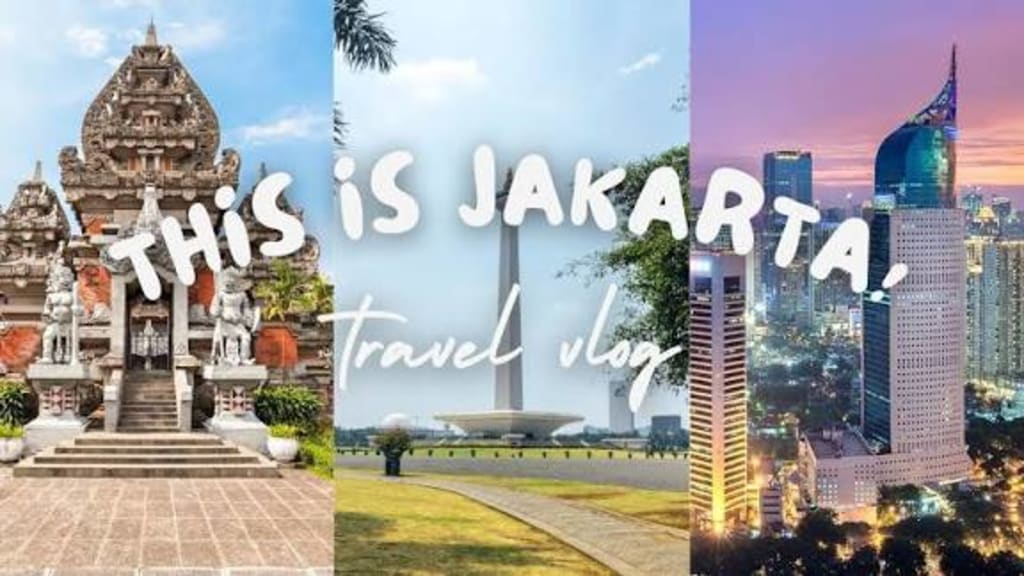
Jakarta, Indonesia’s bustling capital, is a city of contrasts — a place where ancient traditions meet the unstoppable force of modern development. With more than 10 million residents, Jakarta is one of the most dynamic and complex urban centers in the world. It’s a city that never sleeps, a melting pot of cultures, and the economic engine driving Southeast Asia’s largest economy. Yet beneath its glittering skyline and booming industries lies a city grappling with challenges that test its resilience and identity.
A City Built on History
Jakarta’s story began long before skyscrapers and traffic jams. The area was once known as Sunda Kelapa, a small port city under the control of the Sunda Kingdom. In the 16th century, it caught the attention of European traders, especially the Portuguese and later the Dutch. When the Dutch East India Company took control, they renamed it Batavia, transforming it into the center of their colonial empire in Asia.
After Indonesia gained independence in 1945, the city was renamed Jakarta, symbolizing national pride and unity. Since then, it has served as the beating heart of Indonesia’s political, economic, and cultural life. Every significant national event, from presidential inaugurations to major protests, happens on Jakarta’s streets. The city’s history is deeply woven into the story of modern Indonesia.
The Economic Powerhouse
Today, Jakarta is more than just the capital — it’s Indonesia’s financial hub and the core of its development. Home to the Indonesia Stock Exchange, countless multinational corporations, and innovative start-ups, the city generates a significant portion of the country’s GDP.
The Central Business District (CBD), especially the areas of Sudirman and Thamrin, represents the city’s economic strength. Glass towers rise high, housing global firms, luxury hotels, and fine dining establishments. Meanwhile, small businesses, food vendors, and street markets continue to thrive, creating a unique balance between global capitalism and local entrepreneurship.
Jakarta is also the center of Indonesia’s creative industry. The rise of digital startups, fashion designers, and musicians has turned the city into a hub of innovation. Events like Jakarta Fashion Week and Jakarta Fair attract talent and audiences from around the world, showcasing the city’s modern, global side.
Cultural Melting Pot
Jakarta’s culture reflects Indonesia’s incredible diversity. The city is home to people from across the archipelago — Javanese, Sundanese, Batak, Betawi, and many others — each contributing their traditions, languages, and cuisines.
The Betawi people, considered the original inhabitants of Jakarta, represent a cultural blend of Malay, Chinese, Arab, and European influences. Their traditional dance, music, and food are celebrated at cultural centers like Setu Babakan, where visitors can experience Betawi culture firsthand.
Jakarta’s culinary scene is also a major attraction. From street food like nasi goreng (fried rice) and sate ayam (chicken satay) to fine dining restaurants serving modern Indonesian fusion, food is one of the city’s greatest pleasures. Street markets such as Glodok (Chinatown) and Tanah Abang provide an authentic taste of the city’s everyday life.
Challenges of a Mega City
However, Jakarta’s rapid growth has not come without problems. The city faces severe traffic congestion, air pollution, and flooding, making daily life challenging for many residents. The city’s location on the northern coast of Java and its sinking land — caused by excessive groundwater extraction — make it highly vulnerable to floods.
To address these issues, the Indonesian government has announced an ambitious plan: moving the national capital from Jakarta to a new city called Nusantara in East Kalimantan. This decision aims to reduce pressure on Jakarta and promote development outside Java. But even as the government prepares to relocate, Jakarta remains the commercial and cultural heart of the nation.
Efforts to improve the city continue. Infrastructure projects like the Jakarta Mass Rapid Transit (MRT) and Light Rail Transit (LRT) are helping reduce traffic and modernize public transportation. Urban renewal projects are also revitalizing older neighborhoods, giving residents hope for a cleaner, more sustainable city.
The Spirit of the People
What truly defines Jakarta, however, is its people. Despite daily struggles — from traffic jams to floods — Jakartans remain optimistic and resilient. There’s a shared spirit of perseverance, humor, and creativity that runs through the city’s veins.
This spirit can be seen in the city’s art and music scenes. Local artists are turning walls into murals that tell stories of hope, activism, and community. Indie musicians fill small venues with sounds that blend traditional instruments with modern rhythms. Social media influencers use their platforms to advocate for cleaner streets and better mental health.
A Glimpse into the Future
Jakarta’s future will likely be defined by how well it balances growth with sustainability. With the capital relocation on the horizon, many wonder what Jakarta’s next chapter will look like. Will it remain Indonesia’s beating heart, or will it evolve into something new?
For now, Jakarta stands as a city of paradoxes — chaotic yet organized, traditional yet modern, challenged yet full of potential. It’s a place that captures the complexity of life in the 21st century, where progress and problems coexist side by side.
Conclusion
Jakarta is not just a city — it’s an experience. It teaches resilience, adaptability, and the power of community. Whether you’re walking through its bustling markets, stuck in traffic, or watching the sunset over the National Monument (Monas), one thing is clear: Jakarta’s soul is alive and unstoppable.
It is a city that never gives up — and perhaps, that’s what makes it one of the most fascinating places on Earth.
About the Creator
Fiaz Ahmed
I am Fiaz Ahmed. I am a passionate writer. I love covering trending topics and breaking news. With a sharp eye for what’s happening around the world, and crafts timely and engaging stories that keep readers informed and updated.
Keep reading
More stories from Fiaz Ahmed and writers in Earth and other communities.
UAE: The Rising Star of the Middle East
The United Arab Emirates (UAE) stands today as one of the most remarkable success stories in the modern world. In just a few decades, it has transformed from a desert landscape dotted with fishing villages into a global center for business, technology, tourism, and culture. With its futuristic skyline, multicultural society, and strong national identity, the UAE shows what vision, leadership, and unity can achieve.
By Fiaz Ahmed 3 months ago in Earth
Pretty Privilege vs. Pretty Punishment
In today’s image-driven world, beauty is often described as a superpower. Attractive people are believed to get more opportunities, more attention, and more advantages in life. This phenomenon is commonly called pretty privilege. But there is another side of this story that is discussed far less often — pretty punishment.
By Aarif Lashariabout 5 hours ago in Earth



Comments
There are no comments for this story
Be the first to respond and start the conversation.