
Islands of the Ocean in World
How Rising Seas Are Rewriting Island Futures
Islands of the Ocean in World
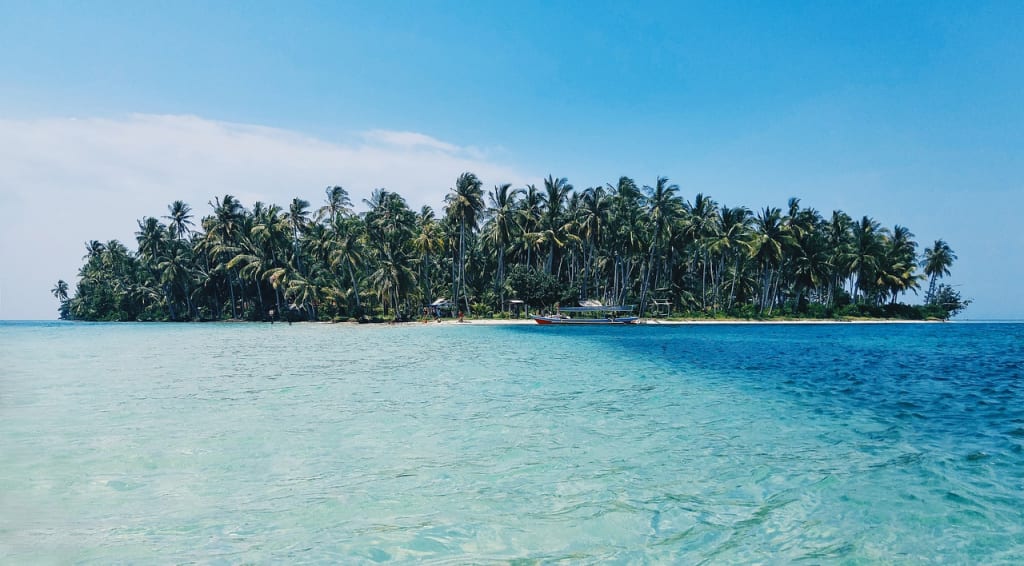
The vast blue oceans of our planet hold countless islands each with its own unique story. These landmasses rising from the watery depths are like nature’s experiments in isolation and adaptation. From towering volcanic peaks to flat coral atolls islands come in many forms and sizes. They are home to strange creatures rare plants and cultures found nowhere else on Earth.
How Islands Are Born
Islands begin their lives through powerful natural forces. Most oceanic islands form from volcanoes erupting beneath the sea. As lava cools and piles up over time it eventually breaks the ocean’s surface. The Hawaiian Islands are perfect examples of this process. Each island in the chain started as a fiery mountain under the sea growing taller until it became dry land.
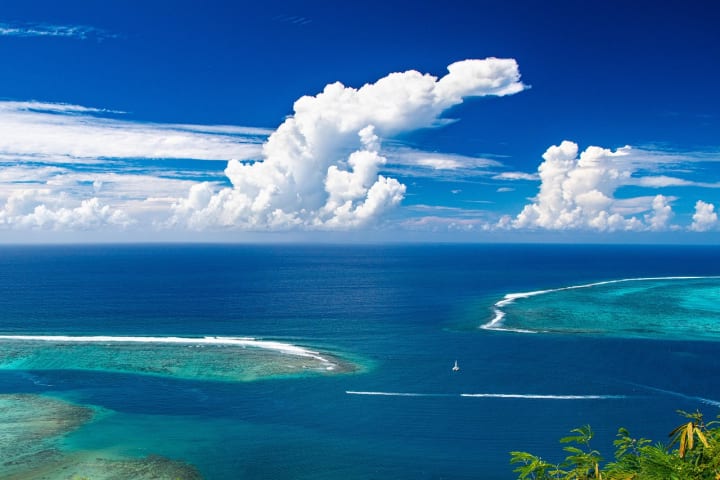
In tropical waters tiny coral animals build another kind of island. These small creatures called polyps create huge limestone structures over thousands of years. When the coral grows near the water’s surface waves break it into sand that piles up to form low islands called atolls. The Maldives consists of more than a thousand such coral islands.
Life on Islands
Islands are like natural laboratories where evolution works in strange ways. Cut off from mainland species island animals and plants change to fit their special homes. The Galápagos Islands are famous for their unique creatures like giant tortoises and marine iguanas. These animals evolved differently from their mainland relatives because they lived in isolation for so long.
Madagascar broke away from Africa long ago. Its animals developed in their own direction creating lemurs and other mammals found nowhere else. New Zealand had no land mammals before humans arrived so birds like the kiwi became flightless with no predators to fear.
But this isolation makes island life fragile. When people bring new animals to islands the native species often cannot survive. The dodo bird of Mauritius went extinct soon after sailors arrived with rats and pigs. Many island species have disappeared this way showing how delicate these ecosystems can be.
People and Islands
Humans have a special relationship with islands. Ancient Polynesian sailors crossed vast ocean distances to settle remote Pacific islands using only stars and wave patterns to guide them. They carried plants and animals in their canoes creating new lives on empty lands.
Some islands hold mysteries from the past. Easter Island’s huge stone statues stand as silent reminders of a lost civilization. The people who built them used up their island’s resources and their society collapsed. This story warns us about living carefully on small lands.
During World War II tiny Pacific islands became important battlefields. Places like Iwo Jima and Guadalcanal saw fierce fighting that changed history. Today many islands face new threats from rising sea levels caused by climate change. Some may disappear underwater in the coming decades.
Remarkable Islands Around the World
Our planet has some truly amazing islands:
Surtsey near Iceland appeared suddenly in 1963 when a volcano erupted under the sea. Scientists watched as plants and animals slowly colonized this brand-new land.
Socotra off Yemen looks like an alien world with its strange dragon blood trees and unusual plants found nowhere else.
Ellesmere Island in the Arctic is home to polar wolves and muskoxen living in a frozen wilderness.
Palmyra Atoll in the Pacific has more crabs than people showing what islands were like before humans came.
Islands in Danger
Though islands seem strong they are actually very vulnerable. Plastic waste from around the world washes up on their shores harming wildlife. Warmer ocean temperatures kill coral reefs that many islands depend on. New animals and plants brought by humans often destroy the balance of island ecosystems.
The 2004 Indian Ocean tsunami showed how quickly island life can change. Waves destroyed coastlines and reshaped whole islands in just hours. But islands also give us hope. Some places like New Zealand’s offshore islands have been cleared of invasive species allowing native birds and plants to recover.
Why Islands Matter
Islands are more than just pretty vacation spots. They are living examples of how life adapts to special conditions. They teach us about evolution survival and the delicate balance of nature. As sea levels rise islands show us the first effects of climate change.
These small lands also preserve unique human cultures. Island people have developed special ways of living with the ocean that we can learn from. Their traditions of fishing boat building and weather prediction come from centuries of close observation.
From the tropical beaches of the Caribbean to the icy shores of the subantarctic islands continue to fascinate us. They remind us that our planet still holds wild places where nature rules. Each island is like a world unto itself with its own secrets waiting to be discovered.
As we face environmental challenges islands can guide us. They show both the damage humans can cause and the amazing recovery nature can make when given a chance. Protecting islands means protecting some of Earth’s most special places and the unique life they contain.
The next time you see a picture of a lonely island in the ocean remember it’s more than just land surrounded by water. It’s a living story of fire and water isolation and connection survival and change. Islands are the ocean’s gifts to the world and we must cherish them.
The End
This article explores the wonders of oceanic islands their formation unique ecosystems human history and current challenges. It shows why these special places matter and how they can teach us about our planet. Would you like me to add more details about any specific island or topic?
About the Creator
Keep reading
More stories from Arsalan Khan and writers in Earth and other communities.
The Unexplored Wonders of the Pacific Abyss
The Unexplored Wonders of the Pacific Abyss Beneath the sparkling surface of the Pacific Ocean lies a world few have seen. The abyss a dark and mysterious realm holds secrets that challenge our understanding of life itself. This vast underwater wilderness remains largely unexplored yet what we have discovered so far reveals wonders beyond imagination.
By Arsalan Khan9 months ago in Journal
EU Parliament Blocks US Trade Deal After Trump’s Tariff Threat
The European Parliament has moved decisively to block progress on a proposed trade deal with the United States after former U.S. President Donald Trump renewed threats of imposing tariffs on European goods. The decision underscores growing tensions between Washington and Brussels and highlights how trade negotiations can quickly unravel when political pressure and protectionist rhetoric re-enter the spotlight.
By Aarif Lashari2 days ago in Earth
Our European Allies Just Exposed Trump’s Core Weakness—and Also America’s
Recent developments in Europe have cast a spotlight on both Donald Trump’s leadership weaknesses and broader American vulnerabilities in international relations. Allies across the continent have been taking steps that indirectly highlight limitations in U.S. policy, leaving Trump supporters, critics, and global observers questioning whether the United States is adequately positioned to lead on the world stage.
By Muhammad Hassanabout 18 hours ago in Earth



Comments
There are no comments for this story
Be the first to respond and start the conversation.