
Island Peak Climbing: An Adventurous Journey to the Summit
Overview
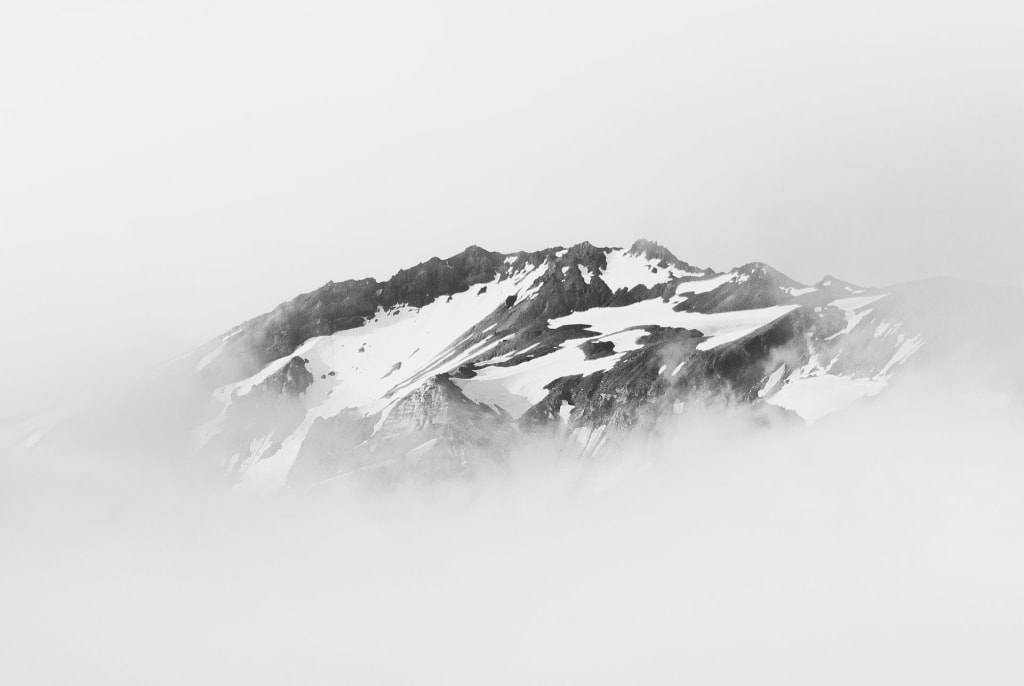
Island Peak, also known as Imja Tse, is one of Nepal’s most popular trekking peaks, located in the Everest region of the Himalayas. Standing at 6,189 meters, it offers a challenging yet accessible climbing experience for trekkers seeking to venture into high-altitude mountaineering. Island Peak is a perfect stepping stone for those aspiring to climb higher peaks like Everest or Makalu. The climb rewards adventurers with stunning views of the Himalayas, including Mount Everest, Lhotse, Nuptse, and Ama Dablam.
The Route to Island Peak
The Island Peak climb typically follows the classic Everest Base Camp Trek route until Pheriche. From there, trekkers continue towards Imja Tse and set up base camp at Imja Tse Base Camp. Before reaching the summit, climbers undergo an acclimatization period in the area, preparing for the final ascent.
The journey begins with a flight from Kathmandu to Lukla, where trekkers begin the trek to Namche Bazaar and then continue to Tengboche, Pheriche, and Lobuche. After reaching Lobuche, the route branches off towards Island Peak Base Camp at 5,200 meters, where climbers spend a night before making their summit bid.
Highlights of Island Peak Climbing
Breathtaking Views: From the summit of Island Peak, climbers are treated to an unparalleled view of some of the tallest peaks in the world. Mount Everest (8,848 meters), Lhotse (8,516 meters), Nuptse (7,861 meters), and Ama Dablam (6,312 meters) form an awe-inspiring backdrop as climbers make their final push towards the peak.
Technical Challenge: While Island Peak is considered a trekking peak, it still presents technical climbing challenges. Climbers need to use ice axes, crampons, and fixed ropes to navigate steep sections of the final ascent. This makes it an excellent opportunity to gain mountaineering experience in a relatively safe and controlled environment.
Everest Base Camp Trek: The climb to Island Peak is often combined with the Everest Base Camp Trek, which allows trekkers to experience the beauty of the Khumbu region before heading to the climbing base camp. The trek to Everest Base Camp offers stunning views, cultural experiences, and a chance to acclimatize before the climb.
Sense of Achievement: Reaching the summit of Island Peak is a remarkable achievement. The climb is physically demanding, and the final summit push requires determination, stamina, and careful climbing techniques. Successfully standing on the summit with views of the surrounding peaks is a deeply rewarding experience.
Rich Culture and Traditions: The Everest region is home to the Sherpa people, known for their strength, resilience, and mountaineering expertise. Along the route, trekkers and climbers can visit Buddhist monasteries, learn about Sherpa culture, and gain insight into the spiritual side of the region.
Best Time to Climb Island Peak
The best times to climb Island Peak are during autumn (September to November) and spring (March to May). During these seasons, the weather is generally clear, and temperatures are relatively moderate, making for favorable climbing conditions. Autumn offers stable weather, beautiful clear skies, and crisp air, while spring brings milder temperatures and excellent visibility.
Winter months (December to February) are not ideal due to the cold temperatures, heavy snowfall, and the risk of avalanches. The monsoon season (June to August) is also not recommended due to the wet and slippery conditions, which can make climbing and trekking dangerous.
Physical Preparation and Training
Climbing Island Peak requires a good level of fitness, as it involves both trekking and technical climbing. It is important to have prior mountaineering experience, or at least be comfortable with trekking at high altitudes. To prepare physically, trekkers should focus on endurance training, cardiovascular fitness, and strength training, particularly for the legs and core.
Additionally, trekkers should become familiar with basic climbing skills such as using an ice axe, wearing crampons, and understanding how to use fixed ropes for ascending and descending steep sections.
Permits and Preparation
To climb Island Peak, trekkers need several permits:
Sagarmatha National Park Permit: Required for trekking in the Everest region.
Climbing Permit: A specific permit for Island Peak is required, which can be obtained through the Nepal Mountaineering Association (NMA).
TIMS (Trekkers' Information Management System) Card: This card is required for trekkers.
It's recommended to climb Island Peak with an experienced guide and porter, as they can help ensure safety, assist with navigating difficult sections, and manage the logistics of the trek. A guide will also ensure proper acclimatization, which is crucial for avoiding altitude sickness.
Safety Considerations
Island Peak, though not a technically challenging peak for experienced climbers, still poses risks. Climbers need to take precautions for altitude sickness, as the altitude can affect trekkers and climbers differently. It’s crucial to acclimatize properly by taking rest days and following the climb slowly to allow the body to adjust to the high altitudes.
Weather conditions are also a major factor to consider. Unpredictable storms or sudden changes in weather can make the climb more dangerous. Having the guidance of an experienced mountaineer and local crew helps mitigate such risks.
Conclusion
Climbing Island Peak is an exciting and challenging adventure that provides an excellent introduction to Himalayan mountaineering. The combination of technical climbing, stunning mountain views, and cultural richness makes this trek a unique and rewarding experience. Whether you're a seasoned climber looking to gain more experience or an adventurer seeking a thrilling challenge, Island Peak climbing is sure to leave you with lasting memories of triumph and the majestic beauty of the Himalayas.
About the Creator
Keep reading
More stories from Oliver Backman and writers in Earth and other communities.
Kanchenjunga Circuit Short Trek: A Brief Adventure in Nepal's Eastern Himalayas
The Kanchenjunga Circuit Short Trek offers trekkers a unique and memorable adventure in Nepal's eastern Himalayas. As one of the most remote and least traveled trekking regions in Nepal, this trek provides an extraordinary opportunity to experience Nepal's pristine beauty and rich culture while enjoying stunning views of the towering Kanchenjunga Mountain, the third-highest peak in the world.
By Oliver Backmanabout a year ago in Earth
The Holiday Cactus Conundrum: Tell Your Thanksgiving, Christmas, and Easter Cactus Apart
A Trio of Holiday Classics First, a little botanical history to understand the confusion. All three plants are tropical cacti (epiphytes) native to the rainforests of Brazil, where they grow on trees. The Thanksgiving (Schlumbergera truncata) and Christmas (Schlumbergera × buckleyi) cacti are close cousins within the same genus. The Easter cactus (Hatiora gaertneri), however, has been reclassified into a different genus altogether, which explains its more significant differences.
By Emma Wallace3 days ago in Earth
Americans Are Losing Hope: What the Latest Gallup Poll Reveals About the Depth of National Gloom
For generations, optimism has been a defining feature of the American identity. The belief that tomorrow will be better than today has powered economic growth, social movements, and personal ambition. But a new Gallup poll suggests that this long-standing sense of hope may be fading — and fading fast. The latest data paints a sobering picture: fewer Americans believe their future will be better than their present. The numbers reveal not just temporary frustration, but a deeper and more widespread sense of uncertainty about where the country — and their own lives — are headed. Let’s take a closer look at what the poll shows and why it matters. Optimism at a Near Record Low Gallup’s survey asks Americans to rate their current lives and where they expect to be five years from now on a scale of 0 to 10. Those who rate their future at 8 or above are considered optimistic about what lies ahead. In 2025, only about 59% of Americans rated their future lives this positively — the lowest level recorded in nearly two decades of tracking. That marks a significant drop compared to earlier years when optimism was considerably stronger. Even more striking is the number of Americans classified as “thriving” — those who rate both their present life positively and expect a strong future. Fewer than half of Americans now meet that standard. In simple terms: many Americans don’t feel confident that the next five years will bring improvement. Future Expectations Are Falling Faster Than Present Satisfaction One of the most revealing aspects of the poll is this: Americans’ satisfaction with their current lives has declined somewhat over time — but expectations for the future have fallen nearly twice as sharply. This suggests that people aren’t only reacting to immediate struggles like inflation, housing costs, or political tension. Instead, they’re losing confidence in long-term progress. It’s one thing to feel frustrated about today. It’s another to believe tomorrow won’t be better. That shift in mindset signals something deeper than economic anxiety. It reflects a broader uncertainty about opportunity, stability, and national direction. Political Divides Deepen the Gloom Political affiliation plays a major role in how Americans view the future. Historically, supporters of the party in power tend to feel more optimistic, while supporters of the opposition feel less hopeful. That pattern continues — but the most recent drop among Democrats following the 2024 election has been particularly sharp. At the same time, Republicans’ optimism has risen slightly with their party holding power, but not enough to offset the overall national decline. In fact, even many Republicans report less optimism compared to previous years. The result? A country where hope is fractured along partisan lines — and where national unity around a shared positive future seems increasingly distant. Economic Anxiety Remains a Key Driver Although unemployment rates and certain economic indicators appear stable on paper, many Americans continue to feel financial pressure. Housing affordability, rising insurance costs, healthcare expenses, and lingering concerns about inflation weigh heavily on households. Even when wages increase, they often struggle to keep pace with living costs. This disconnect between official economic data and everyday experience may be fueling skepticism. When people don’t feel tangible improvement in their daily lives, they are less likely to believe broader economic success stories. Consumer confidence matters because it influences spending, investment, and long-term planning. If Americans feel uncertain, they may delay major decisions — buying homes, starting businesses, or expanding families. Over time, that hesitation can ripple through the broader economy. Younger Americans Are Especially Concerned Younger adults, particularly those under 35, are among the most worried about politics and governance. Many feel burdened by student debt, high housing prices, and an increasingly polarized political climate. For a generation raised during financial crises, a global pandemic, and intense political division, optimism may not come as naturally as it once did for earlier generations. When young people — the group typically most hopeful about the future — begin expressing deep skepticism, it signals a potentially long-term cultural shift. Why Public Optimism Matters It’s easy to dismiss survey data as just numbers. But collective optimism plays a powerful role in shaping national outcomes. Hope influences: Economic behavior – People invest, spend, and innovate when they believe in future growth. Civic engagement – Optimistic citizens are more likely to vote, volunteer, and participate in community life. Mental health – A positive outlook is closely tied to emotional well-being and resilience. Social stability – Societies with higher trust and shared optimism tend to experience less unrest. When optimism declines broadly, the effects can extend far beyond individual moods. Is This Temporary — or Structural? The key question is whether this drop represents a short-term reaction to political and economic cycles, or a deeper structural shift. America has faced moments of pessimism before — during recessions, wars, and periods of social upheaval. In many cases, optimism eventually rebounded. But today’s challenges feel layered: economic pressure, political polarization, institutional distrust, global instability, and rapid technological change all combine to create uncertainty. Unlike previous downturns driven by a single crisis, today’s gloom appears multifaceted. What Could Restore Confidence? Rebuilding optimism likely requires more than improved economic statistics. Americans may need to see tangible progress in areas that affect daily life: Affordable housing and healthcare Stable prices and wages that keep up with costs Reduced political dysfunction Greater institutional trust Clear long-term national direction Leadership, transparency, and practical solutions matter. When people see systems working effectively, confidence tends to rise. A Turning Point for the American Mood The latest Gallup poll doesn’t suggest Americans have given up entirely. A majority still believe in a positive future — but that majority is shrinking. The data reveals something significant: the American belief in steady progress is no longer a given. Whether this period becomes a temporary dip or a lasting transformation depends on how leaders, institutions, and communities respond. Optimism has long been one of America’s greatest strengths. The challenge now is whether it can be renewed in an era defined by uncertainty. If history offers any lesson, it’s this: public mood can change — but it rarely changes on its own.
By Ayesha Lashariabout 19 hours ago in Earth



Comments
There are no comments for this story
Be the first to respond and start the conversation.