
Island Peak Climbing: A Thrilling Himalayan Adventure
Overview
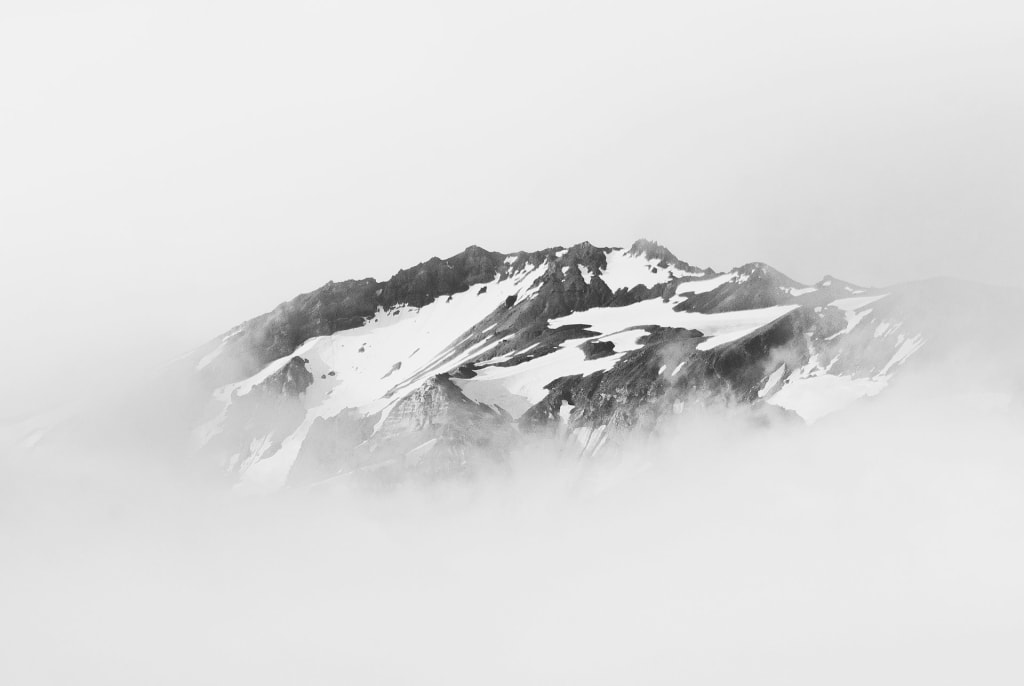
Island Peak Climbing is a perfect challenge for those looking to experience Himalayan mountaineering without tackling an extreme peak. Situated at 6,189 meters (20,305 feet), Island Peak, also known as Imja Tse, offers a thrilling ascent with breathtaking views of Everest, Lhotse, and Makalu. The peak was first climbed in 1953 as a training peak for the British Everest expedition, and it continues to be a popular choice for those seeking a stepping stone to higher altitudes. The climb is both physically demanding and technically engaging, making it an ideal experience for adventure seekers who want to push their limits while enjoying the stunning landscapes of the Everest region.
Journey to Island Peak
The adventure begins with a scenic flight to Lukla, one of the most exhilarating airstrips in the world. From Lukla, trekkers embark on a multi-day trek through the legendary Everest region, passing through picturesque Sherpa villages and ancient monasteries. Namche Bazaar, the vibrant trade hub of the Khumbu, serves as the first major acclimatization stop. Here, climbers can explore local markets, visit the Everest View Hotel, and interact with the Sherpa community. The journey continues through Tengboche, home to the renowned Tengboche Monastery, where climbers can receive blessings for their expedition. The route then leads to Dingboche, a high-altitude village offering spectacular mountain views. After further acclimatization, climbers proceed to Chhukung before reaching Island Peak Base Camp, where they undergo final training and preparation for the ascent.
The Ascent
Climbing Island Peak is a rewarding yet demanding endeavor that requires both endurance and technical skills. The ascent begins with a rocky and moraine-covered trail leading to the glacier. Climbers must navigate crevasses and ice slopes using fixed ropes, ice axes, and crampons. The steep headwall presents the most technical challenge of the climb, demanding strength and careful maneuvering. As climbers progress, the air becomes thinner, making each step more exhausting. However, the final push to the summit is an exhilarating experience, offering unparalleled views of Everest, Lhotse, and the surrounding Himalayan peaks. The sense of accomplishment upon reaching the top is indescribable, making all the hardships of the climb worthwhile. The descent back to base camp requires equal focus and caution, ensuring a safe return after the summit success.
Best Time for Island Peak Climbing
The ideal seasons for Island Peak Climbing are spring (March to May) and autumn (September to November), when the weather is most stable and visibility is excellent. During these months, temperatures are relatively moderate, and the skies are clear, allowing climbers to enjoy uninterrupted views of the majestic Himalayas. Spring is particularly popular due to the blooming rhododendrons and pleasant daytime temperatures, while autumn offers crisp air and post-monsoon clarity. Winter ascents are possible but come with the added challenges of extreme cold and heavy snowfall, requiring advanced mountaineering experience. The monsoon season (June to August) is not recommended due to heavy rainfall, which makes trails slippery and increases the risk of avalanches and rockfalls.
Safety and Preparation
Proper acclimatization, physical fitness, and prior trekking experience are crucial for a successful climb. Given the high altitude and technical challenges, climbers should undertake endurance training, strength conditioning, and practice using climbing gear before the expedition. Hiring experienced guides and porters enhances safety, as they provide expert knowledge on route conditions, altitude management, and emergency procedures. Altitude sickness is a significant concern, so climbers must ascend gradually, stay hydrated, and recognize early symptoms of acute mountain sickness (AMS). Many climbers combine Island Peak with the Everest Base Camp Trek to improve acclimatization before the summit push. Carrying proper gear, including layered clothing, insulated boots, and essential mountaineering equipment, is necessary to tackle the harsh conditions at higher elevations.
Conclusion
Island Peak Climbing is an unforgettable adventure for trekkers and aspiring mountaineers. It provides the perfect balance of challenge, adventure, and Himalayan beauty, making it a top choice for those eager to step into the world of high-altitude climbing. Whether as a stand-alone expedition or as preparation for higher peaks, Island Peak offers an exhilarating experience that leaves climbers with lasting memories and a profound sense of achievement. The combination of cultural immersion, breathtaking scenery, and physical endurance makes this climb one of the most rewarding mountaineering experiences in the Nepalese Himalayas.
About the Creator
Keep reading
More stories from Oliver Backman and writers in Earth and other communities.
Mountaineering in Nepal: Conquering the Himalayan Giants
Nepal, known as the roof of the world, is widely regarded as the ultimate destination for mountaineering enthusiasts. It is home to eight of the world’s fourteen 8,000-meter peaks, including the iconic Mount Everest (8,849m), the world’s highest mountain, as well as Kanchenjunga (8,586m), Lhotse (8,516m), and Makalu (8,485m). These towering peaks draw experienced mountaineers, trekkers, and adventurers from across the globe. Nepal's diverse range of challenging peaks, technical climbs, and stunning landscapes offer an unparalleled opportunity for climbers to test their limits. From trekking peaks that provide an entry into high-altitude mountaineering to the world-renowned technical climbs on some of the tallest mountains on Earth, Nepal is a paradise for those seeking the thrill of mountaineering.
By Oliver Backman11 months ago in Earth
Heat with No End: Climate Model Sets Out an Unbearable Future for Parts of Africa
The future of Africa, as outlined by emerging climate models, is growing hotter—and far more dangerous—than previously imagined. Scientists now warn that parts of the continent could soon experience levels of heat and humidity so extreme that human survival outdoors may become nearly impossible. This is not a distant science-fiction scenario. It is a forecast grounded in real data, unfolding within the lifetimes of millions alive today.
By Sajida Sikandar3 days ago in Earth



Comments
There are no comments for this story
Be the first to respond and start the conversation.