
Mountaineering in Nepal: Conquering the Himalayan Giants
A Premier Destination for Climbers
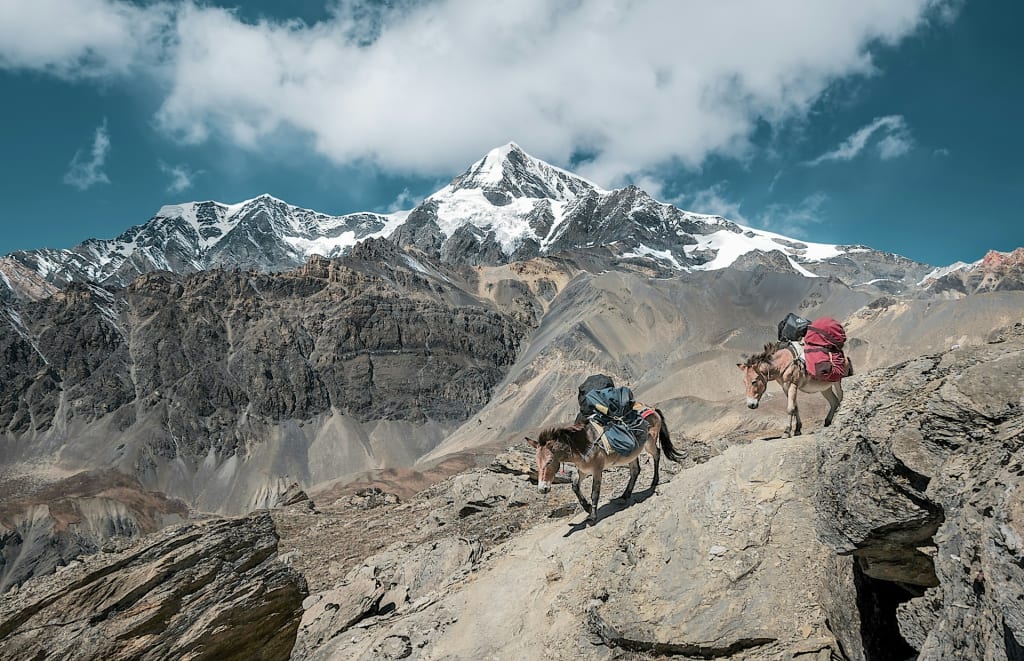
Nepal, known as the roof of the world, is widely regarded as the ultimate destination for mountaineering enthusiasts. It is home to eight of the world’s fourteen 8,000-meter peaks, including the iconic Mount Everest (8,849m), the world’s highest mountain, as well as Kanchenjunga (8,586m), Lhotse (8,516m), and Makalu (8,485m). These towering peaks draw experienced mountaineers, trekkers, and adventurers from across the globe. Nepal's diverse range of challenging peaks, technical climbs, and stunning landscapes offer an unparalleled opportunity for climbers to test their limits. From trekking peaks that provide an entry into high-altitude mountaineering to the world-renowned technical climbs on some of the tallest mountains on Earth, Nepal is a paradise for those seeking the thrill of mountaineering.
Popular Peaks for Climbing
Mountaineering in Nepal offers something for everyone, from novices to seasoned professionals. Here are some of the most sought-after and challenging peaks in Nepal:
Everest (8,849m): The world’s highest and most famous peak, climbing Everest is a dream for many mountaineers. Despite its popularity, it is a demanding expedition that requires meticulous planning, years of preparation, and physical endurance. The climb is highly technical, with risks such as altitude sickness and the Khumbu Icefall, which requires navigation through dangerous crevasses and ice blocks.
Ama Dablam (6,812m): Known as the “Matterhorn of the Himalayas”, Ama Dablam is an incredibly popular peak for experienced mountaineers due to its aesthetically pleasing shape and challenging technical climb. With its steep rock faces and icy slopes, this peak requires advanced climbing skills, particularly for those tackling its narrow ridges and exposed sections. The summit offers spectacular panoramic views of the Everest and Lhotse ranges.
Island Peak (6,189m): Located in the Khumbu region, Island Peak is a popular trekking peak that serves as a stepping stone for many climbers looking to tackle higher Himalayan peaks. The ascent involves technical ice climbing, making it a great introduction to high-altitude mountaineering for climbers who are ready to progress beyond trekking. The views from the summit, overlooking the Everest massif, are simply breathtaking.
Lobuche East (6,119m): Known for its challenging ridge and glacier approaches, Lobuche East is another popular Himalayan trekking peak. The route involves technical rock climbing and mixed terrain (rock and ice), making it a suitable challenge for climbers who want a more demanding ascent. It also provides fantastic views of Everest, Lhotse, and Nuptse.
Manaslu (8,163m): Situated in the Manaslu region, this 8,000-meter peak remains less crowded than Everest, offering a more remote and authentic climbing experience. While still challenging, it is considered one of the easier 8,000-meter peaks to climb, making it an ideal choice for those looking to tackle a high-altitude mountain but with a slightly less technical climb than Everest.
Baruntse (7,129m): A challenging peak that provides a great mix of technical climbing and high-altitude challenges. Situated near Makalu, Baruntse offers a rigorous ascent with sections requiring ice and rock climbing skills. Its remote location and less-frequented nature make it a unique experience for mountaineers who wish to avoid the crowds of other famous peaks.
Seasons for Climbing
The best seasons for mountaineering in Nepal are spring (March–May) and autumn (September–November). During these seasons, the weather is stable, clear skies offer fantastic views, and the chances of good climbing conditions are optimal. Spring is slightly more popular, particularly for climbing the highest peaks like Everest, as the temperatures are relatively mild and the monsoon season hasn’t arrived yet. Autumn is equally ideal, with stable weather, clear skies, and fewer crowds, making it a good time for climbers who prefer a quieter expedition.
Winter climbing in Nepal is possible but comes with extreme cold and the risk of heavy snowfall. Winter climbers must be prepared for harsh conditions and longer durations in high altitudes, where temperatures can plunge to life-threatening lows. Climbing during the monsoon season (June–August) is generally avoided due to heavy rain, which makes the mountain routes treacherous and increases the risk of avalanches.
Permits and Regulations
Mountaineering in Nepal requires various permits depending on the peak and its location. For trekking peaks under 6,000 meters, climbers are required to obtain a Trekking Peak Permit from the Nepal Mountaineering Association (NMA). For higher peaks, especially those above 6,500 meters, climbers must secure a special climbing permit from the Department of Tourism (DoT). For the highest mountains, including Everest, Lhotse, and Manaslu, additional permits and expedition permits are required.
It is also necessary to hire a licensed guide and porter for most expeditions, especially for technical climbs, where having a Sherpa guide or local expert is crucial for navigating difficult terrain and ensuring safety. Sherpas play a vital role, not only in assisting with the climb but also in providing cultural insights and ensuring safe routes are followed.
Challenges and Preparation
Mountaineering in Nepal requires a high level of preparation and physical fitness. It’s not just about the technical climbing but also about enduring high-altitude environments and extreme weather conditions. Proper acclimatization is critical to avoid altitude sickness. Climbers must be prepared for extreme cold, wind, and the physical strain of extended days of climbing.
In addition to physical preparation, climbers must equip themselves with high-quality mountaineering gear, including ice axes, crampons, ropes, and oxygen supplies for higher altitudes. Experienced climbers are advised to undertake training in ice climbing, rock climbing, and high-altitude mountaineering before attempting these peaks.
Conclusion
Mountaineering in Nepal is a life-changing adventure for climbers seeking to challenge themselves and test their limits in some of the world’s most breathtaking landscapes. With its unparalleled array of high-altitude peaks, technical challenges, and diverse terrain, Nepal remains the ultimate mountaineering destination. Whether you are looking to summit a trekking peak like Island Peak or take on the formidable challenge of Everest, Nepal offers a unique opportunity to experience the grandeur of the Himalayas while pushing your limits in a world-class climbing environment. With careful planning, proper training, and experienced guides, mountaineering in Nepal promises an unforgettable adventure and an opportunity to conquer some of the highest peaks on the planet.
About the Creator
Keep reading
More stories from Oliver Backman and writers in Earth and other communities.
Kanchenjunga Circuit Short Trek: An Untouched Himalayan Adventure
The Kanchenjunga Circuit Short Trek is an exhilarating adventure that takes trekkers into the remote eastern Himalayas, leading to the base of Mount Kanchenjunga (8,586m), the world’s third-highest peak. Unlike the full Kanchenjunga Circuit, this shorter version allows trekkers to explore the region in less time while still experiencing its breathtaking landscapes, diverse cultures, and untouched wilderness. The trek winds through deep valleys, alpine meadows, lush forests, and rugged glaciers, offering an unparalleled trekking experience far from the crowds of Nepal’s more commercial routes.
By Oliver Backman11 months ago in Earth
Prosperity Without Relief: Why Many Saudis Feel Squeezed Amid an Economic Boom
Saudi Arabia is frequently portrayed as a nation in the midst of a historic economic transformation. Mega-projects rise from the desert, foreign investment conferences draw global CEOs, non-oil revenues are expanding, and the Kingdom’s Vision 2030 reform agenda is regularly praised as bold and ambitious. On paper, the economy appears dynamic and forward-looking.
By Ayesha Lashariabout 16 hours ago in Earth
Super Bowl LX Recap: A Team Called Hawks
Sixty. The Super Bowl turned 60! Still amazes me that this was the sixtieth Super Bowl played in NFL history. It seems like yesterday that I watched Super Bowl XXVII, the first SB I ever watched. The QB who won Super Bowl XXVII has since called a few SBs, and will call next year's game, but that's another story. Super Bowl LX took place at Levi's Stadium in Santa Clara, California, the home stadium of the San Francisco 49ers. However, it was one of their division foes who represented the NFC, as the Seattle Seahawks faced off against the New England Patriots.
By Clyde E. Dawkins3 days ago in Unbalanced



Comments
There are no comments for this story
Be the first to respond and start the conversation.