
Is Free Cavity Wall Insulation Right for Your Home?
Maximizing Energy Efficiency with Free Cavity Wall Insulation: Benefits, Eligibility, and Key Considerations for Your Home

Cavity wall insulation is becoming an increasingly popular solution for homeowners looking to improve energy efficiency, lower heating bills, and reduce their carbon footprint. With various schemes offering free cavity wall insulation, it's an attractive proposition. But is it the right choice for your home? Let’s delve into the details and see if this is the best fit for you.
What is Cavity Wall Insulation?
Cavity wall insulation involves filling the gap between the inner and outer walls of a house with insulating material, typically foam, mineral wool, or polystyrene beads. This material acts as a barrier, reducing heat loss by trapping warmth inside your home during colder months. It helps create a more energy-efficient and comfortable living environment.
The process is straightforward: professionals drill small holes into the exterior wall, pump the insulation material into the cavity, and then seal the holes. It’s a relatively quick and non-invasive process, with the benefits felt almost immediately.
Benefits of Free Cavity Wall Insulation
- Energy Savings: One of the main advantages of cavity wall insulation is its ability to reduce energy consumption. According to estimates, a typical home can save around £150 to £250 annually on heating bills by having cavity wall insulation installed. Over time, these savings can quickly add up, making your home more energy-efficient and environmentally friendly.
- Increased Comfort: Homes with cavity wall insulation maintain a more stable indoor temperature. It prevents heat from escaping during winter and keeps your home cooler during summer. As a result, you’ll notice less fluctuation in temperature and a more comfortable living space year-round.
- Reduced Carbon Footprint: By lowering energy consumption, you’re not just saving money, but you're also reducing your carbon footprint. Insulating your home is one of the most effective ways to contribute to a more sustainable future. With free insulation schemes in place, you can do this without the upfront costs.
Who is Eligible for Free Cavity Wall Insulation?
Eligibility for free cavity wall insulation often depends on various factors, including your income, benefits received, and the type of home you live in. Many government-backed programs, such as the Energy Company Obligation (ECO) scheme in the UK, provide free or discounted insulation for households that meet certain criteria. Here’s a quick overview:
- Low-income households: Those on certain benefits, such as Universal Credit or Pension Credit, are typically eligible.
- Homeowners: Most schemes require the applicant to own the home.
- Type of property: Homes built after the 1920s with cavity walls are usually eligible, but your property must be suitable for the insulation process.
If you meet the criteria, the insulation process can be done at no cost to you, making it a highly cost-effective way to improve your home’s energy efficiency.
Is Cavity Wall Insulation Suitable for Your Home?
Not all homes are suitable for cavity wall insulation, and installing it in the wrong type of home can lead to problems such as damp and mold. Here are some key factors to consider:
- Age of the Property: Most homes built after 1920 have cavity walls, whereas older properties often have solid walls. A professional survey will confirm whether your home has cavity walls and is suitable for insulation.
- External Wall Condition: The exterior of your home needs to be in good condition to prevent moisture from penetrating the walls. Any cracks or damage should be repaired before insulation is installed.
- Existing Insulation: Some homes may already have partial or full cavity wall insulation. In these cases, additional insulation may not be necessary, or the existing insulation might need upgrading.
Potential Drawbacks of Cavity Wall Insulation
While cavity wall insulation has numerous benefits, it’s not without potential downsides. These can be avoided with proper installation, but it’s essential to be aware of the risks:
- Moisture Problems: If the insulation is not installed correctly or if the external walls are damaged, moisture can enter the cavity, leading to damp issues inside your home. This is particularly common in areas with high rainfall or poorly maintained properties.
- Not Suitable for Every Home: As mentioned earlier, older homes with solid walls are not suitable for cavity wall insulation. Additionally, properties in exposed or coastal areas may experience issues with wind-driven rain, which could penetrate the insulation.
- Costs of Removal: In rare cases, if insulation is improperly installed or causes damp issues, removal can be expensive. While this is not common, it’s a consideration for homeowners.
How Does Cavity Wall Insulation Compare to Other Insulation Methods?
When considering insulation options, it’s essential to compare cavity wall insulation with other methods available. Here’s how it stacks up:
- Loft Insulation: Loft insulation is another popular option and often one of the first insulation measures taken by homeowners. It’s usually cheaper and easier to install than cavity wall insulation. However, it addresses heat loss through the roof, not through the walls, so both types of insulation may be necessary for full energy efficiency.
- Solid Wall Insulation: Solid wall insulation is typically used in older homes without cavities. It’s more expensive than cavity wall insulation and can be applied internally or externally. While it’s highly effective, it’s also more disruptive and costly.
- Underfloor Insulation: This is often used in homes with suspended wooden floors. While not as common, it’s an option for those looking to further improve their home's energy efficiency. Like cavity wall insulation, it prevents heat loss, but from the ground up.
The Cost of Cavity Wall Insulation Without Grants
If you’re not eligible for free cavity wall insulation, it’s still a worthwhile investment. The cost varies depending on the size of your home, but typical prices range from £500 to £1,500. Given the potential savings on energy bills, most homeowners can expect to see a return on investment within 2 to 5 years.
Additionally, there are often grants and financing options available to make insulation more affordable, even if you don’t qualify for free insulation.
FAQs on Free Cavity Wall Insulation
Q: How long does cavity wall insulation last?
A: If installed correctly, cavity wall insulation can last for many decades, often up to 25-30 years.
Q: Can cavity wall insulation cause dampness?
A: While it can, this usually happens if the insulation is installed incorrectly or if there’s pre-existing damage to the external walls. Ensuring the walls are in good condition before installation can prevent this.
Q: Is there any disruption during the installation process?
A: The installation process is relatively quick and non-disruptive. A team can typically complete the job in less than a day.
Conclusion
In conclusion, free cavity wall insulation offers a fantastic opportunity for homeowners to improve their home's energy efficiency, save on bills, and reduce their environmental impact. However, ensuring that your property is suitable for the insulation is crucial and that a qualified professional carries out the installation is crucial. If you meet the eligibility criteria for free insulation, it's a no-brainer. Even if you don’t, the long-term benefits make cavity wall insulation a sound investment for many homes.
About the Creator
Energy Saving Grant
Energy Saving Grants is your go-to expert for government energy saving grants. We offer comprehensive advice and support for various energy efficiency grants, including cavity wall insulation, heat pumps, and solar panels.
Keep reading
More stories from Energy Saving Grant and writers in Earth and other communities.
Cavity Wall Insulation Grants: A Comprehensive Guide to Saving Energy and Reducing Costs
Are you looking to reduce your energy bills while contributing to a greener environment? Cavity wall insulation grants could be the answer. However, many homeowners are unaware of the grants available to make this energy-saving measure more affordable. In this guide, we’ll explore what cavity wall insulation is, the grants available, and how you can benefit from them.
By Energy Saving Grantabout a year ago in Earth
Trump Calls UK’s Chagos Islands Sovereignty Decision an Act of ‘Great Stupidity’
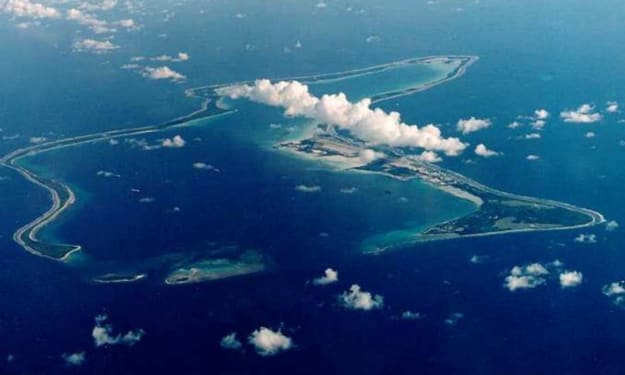
Former U.S. President Donald Trump has criticized the United Kingdom’s decision to hand over sovereignty of the Chagos Islands to Mauritius, calling it an act of “great stupidity.” This high-profile statement has reignited debates over colonial legacies, geopolitical alliances, and the rights of local communities. While the issue may seem distant to many, it carries significant implications for global politics, regional stability, and the affected communities. The Chagos Islands, a strategically located archipelago in the Indian Ocean, have long been a point of contention between the UK, Mauritius, and the United States, which maintains a military base on Diego Garcia, one of the largest islands. The latest political statements have highlighted not only international disagreements but also how decisions by governments can affect local populations and global perceptions. Why the UK Is Handing Over the Chagos Islands The UK’s decision to transfer sovereignty to Mauritius comes after years of legal challenges and international pressure. The United Nations has repeatedly called for the return of the islands to Mauritius, stating that the previous detachment in 1965 was illegal. The move aims to: Resolve a longstanding international dispute Acknowledge the rights of the Chagossian people, many of whom were forcibly removed from the islands decades ago Comply with international law and UN recommendations For many in Mauritius and the Chagossian diaspora, the transfer represents justice and recognition of their historical grievances. Trump’s Criticism and Its Context Trump described the UK’s decision as “an act of great stupidity,” emphasizing strategic and military concerns. The United States relies on Diego Garcia for one of its key military bases, crucial for operations in the Indian Ocean region and beyond. From Trump’s perspective, the sovereignty transfer could: Complicate U.S. military logistics Create uncertainty over strategic agreements Signal weakness in alliances with close partners like the UK However, critics argue that such statements overlook the rights of the displaced Chagossian communities and the importance of resolving colonial-era injustices. Impact on Local Communities The Chagos Islands have a unique human story. In the 1960s and 1970s, the indigenous Chagossian population was forcibly removed to make way for a U.S. military base. Families were relocated to Mauritius, the Seychelles, and other areas, often under harsh conditions. The sovereignty transfer could: Support efforts for Chagossians to return home Enable compensation and recognition of historical wrongs Promote cultural and community restoration Community advocates argue that international legal decisions should prioritize the welfare and rights of displaced populations, not just geopolitical or strategic interests. Geopolitical Implications The dispute is more than a bilateral issue between the UK and Mauritius. It has global political ramifications, including: U.S.-UK relations: While the UK maintains a strategic alliance with the U.S., the sovereignty decision may raise tensions over military operations. Indian Ocean stability: The islands are located in a key maritime region, affecting naval operations, trade routes, and regional security. International law precedent: Recognizing Mauritius’ claim reinforces UN rulings on decolonization and territorial sovereignty. For communities that follow global politics, these dynamics highlight how high-level political decisions impact both strategy and society. Media and Public Reaction Trump’s comments have dominated media coverage, sparking debate in international communities and online forums. Public opinion is divided: Supporters of Trump’s viewpoint cite national security concerns and strategic importance. Critics highlight colonial injustices and the need to respect the rights of indigenous populations. Social media discussions reveal growing interest in the balance between military strategy and human rights, showing that global decisions resonate with everyday communities. Legal and Ethical Considerations The transfer of the Chagos Islands raises several legal and ethical issues: Sovereignty and Self-Determination: The Chagossian people’s right to return and their cultural identity must be respected. Colonial History: Addressing past injustices is an ethical obligation for governments involved in colonial-era displacement. Military Agreements: Ensuring strategic stability while honoring international law is a complex balancing act. Legal scholars note that this case could set a precedent for other disputed territories, influencing how communities worldwide perceive justice, sovereignty, and rights. Why This Matters to Communities Even though the Chagos Islands are remote, the controversy touches on community awareness and engagement: Diaspora Communities: Chagossians and Mauritians see this as a historic moment affecting their families and heritage. Global Citizens: People interested in human rights and international law follow such cases to understand justice and accountability. Policy Advocates: NGOs and advocacy groups use this dispute to promote awareness of displacement, sovereignty, and ethical governance. In short, political decisions at the top level ripple down to real people, influencing lives, cultural identity, and community cohesion. Looking Ahead The future of the Chagos Islands will depend on: Implementation of sovereignty transfer: Ensuring legal and diplomatic arrangements are respected. U.S.-UK negotiations: Maintaining strategic interests while addressing human rights. Chagossian return programs: Supporting the restoration of communities affected by displacement. The controversy is a reminder that politics and community welfare are intertwined, and decisions made in boardrooms or government offices can have lasting effects on populations far from the center of power. The Takeaway Trump’s statement about the Chagos Islands sovereignty highlights the tension between geopolitical strategy and community justice. While international relations and military interests are important, the voices of the displaced Chagossian community cannot be ignored. For communities following global politics, the case demonstrates how: International decisions affect local populations Human rights and sovereignty are key considerations Awareness and advocacy by communities can influence global policy As debates continue, the story of the Chagos Islands serves as a reminder that political and strategic choices have human consequences, and that protecting community rights is as vital as maintaining alliances.
By Muhammad Hassan7 days ago in Earth
From Seal Meat to Ice Sheets: A Century of Reporting From Antarctica
Antarctica—the frozen southernmost continent—has long fascinated scientists, explorers, and journalists alike. From the earliest expeditions in the late 19th and early 20th centuries to modern climate research missions, journalists have chronicled Antarctica’s extremes, documenting both its human stories and its environmental mysteries. Over the past century, reporting from this remote and forbidding landscape has evolved dramatically, reflecting changing societal interests, technological advances, and growing concerns about climate change.
By Muhammad Hassan5 days ago in Earth
Affection and Healing for Yourself
During the night of the last quarter moon, I gathered my ritual supplies. I carefully handled the chunk of black tourmaline that would protect me from your overall negative and narcissistic energy. I carefully walked the house with my stick of selenite in hand, asking the universe to cleanse our working space.
By Alisha Wilkins ✒️🦋🖋️7 days ago in Fiction



Comments (1)
Hey, just wanna let you know that this is more suitable to be posted in the FYI community 😊