
Invasive species and ecological disruption
Invasive species are organisms that are introduced, either intentionally or unintentionally, into an environment where they are not native.

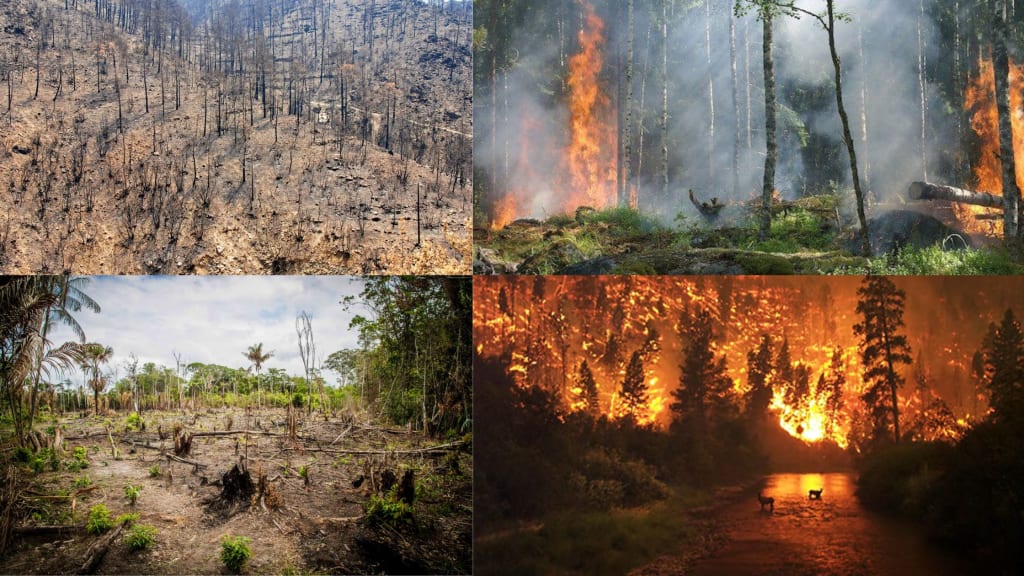
Invasive species often thrive in new environments due to a lack of natural predators, competitors, or diseases that would normally regulate their populations. While some introduced species do not cause harm, others can become invasive, leading to significant ecological, economic, and social consequences. The disruption caused by invasive species can threaten biodiversity, alter ecosystems, and negatively impact human activities such as agriculture and fisheries.
(I)What Defines an Invasive Species?
An invasive species is typically defined by its ability to establish and spread rapidly in a new environment, often outcompeting native species. The key characteristics of invasive species include:
High reproductive rate – Many invasive species reproduce quickly, enabling rapid population growth.
Generalist behavior – They often have adaptable diets and habitat preferences.
Lack of natural predators – Without natural controls, populations can grow unchecked.
Efficient dispersal mechanisms – Invasive species may spread via seeds, spores, or transport by humans and animals.
(II)Pathways of Introduction
Invasive species can be introduced through various means, both accidental and deliberate. Some common pathways include:
Global Trade and Travel – Ships, planes, and cargo transportation can carry species across continents.
Horticulture and Landscaping – Some invasive plants were initially introduced as ornamental species before spreading uncontrollably.
Pet Trade – Non-native pets that are released or escape into the wild can establish invasive populations.
Ballast Water Discharge – Ships discharge ballast water containing marine organisms into new ecosystems.
Agricultural and Aquacultural Activities – Non-native species are sometimes introduced for farming or fishing, but they can escape and become invasive.
(III)Ecological Disruption Caused by Invasive Species
Invasive species can have profound negative impacts on ecosystems. Some of the most common types of ecological disruptions include:
1. Biodiversity Loss
Invasive species can outcompete, prey on, or hybridize with native species, leading to population declines and even extinctions. For example, the introduction of the brown tree snake in Guam led to the extinction of several bird species that had no natural defenses against the predator.
2. Alteration of Habitat and Ecosystem Functions
Some invasive species change the physical and chemical properties of ecosystems. For example, invasive plants like kudzu and water hyacinth grow aggressively, suffocating native vegetation and altering nutrient cycles. Similarly, zebra mussels in North America clog waterways, affecting water quality and native aquatic life.
3. Disruption of Food Chains
Invasive species can disrupt established food webs by outcompeting native predators or consuming prey species at unsustainable rates. This has cascading effects on the entire ecosystem, potentially leading to imbalances and species collapses.
4. Increased Wildfire Risk
Certain invasive plants, such as cheatgrass in the western United States, are highly flammable and increase the frequency and intensity of wildfires, further disrupting native ecosystems.
(IV)Economic and Social Impacts
Beyond ecological harm, invasive species impose significant economic and social costs:
Agricultural Damage – Invasive insects and weeds can destroy crops, leading to reduced yields and financial losses for farmers.
Fisheries Disruptions – The introduction of non-native species into water bodies can lead to declines in native fish populations, affecting fishing industries.
Infrastructure Damage – Species are the Asian carp and zebra mussels damage water infrastructure by clogging pipes and hydroelectric systems.
Human Health Risks – Some invasive species, such as mosquitoes carrying diseases like malaria and Zika virus, pose health threats to human populations.
(V)Strategies for Managing Invasive Species
Effective management of invasive species requires a multi-faceted approach that includes prevention, early detection, and control strategies.
1. Prevention
Implementing strict biosecurity measures at ports and borders.
Educating the public about the risks of releasing non-native species into the wild.
Regulating the trade and transport of potentially invasive species.
2. Early Detection and Rapid Response
Monitoring ecosystems for early signs of invasive species.
Establishing rapid response teams to remove newly detected invasives before they establish populations.
Encouraging citizen science initiatives to track invasive species.
3. Control and Eradication
Mechanical Control – Physical removal of invasive species (e.g., cutting invasive plants, trapping invasive animals).
Chemical Control – The use of herbicides and pesticides, though this must be carefully managed to avoid harming native species.
Biological Control – Introducing natural predators or pathogens to reduce invasive populations, though this approach carries risks of unintended ecological consequences.
Habitat Restoration – Replanting native species and restoring ecosystems to resist future invasions.
IN THE END
Invasive species pose a significant challenge to ecosystems, economies, and human Being. Their ability to outcompete native species, disrupt food chains, and alter habitats makes them one of the leading drivers of biodiversity loss worldwide. Effective management requires coordinated efforts at local, national, and international levels. By promoting awareness, improving biosecurity, and investing in ecological restoration, we can mitigate the impacts of invasive species and protect the integrity of our ecosystems for future generations.
About the Creator
Badhan Sen
Myself Badhan, I am a professional writer.I like to share some stories with my friends.
Keep reading
More stories from Badhan Sen and writers in Earth and other communities.
Ocean currents (Gulf Stream, El Niño, La Niña)
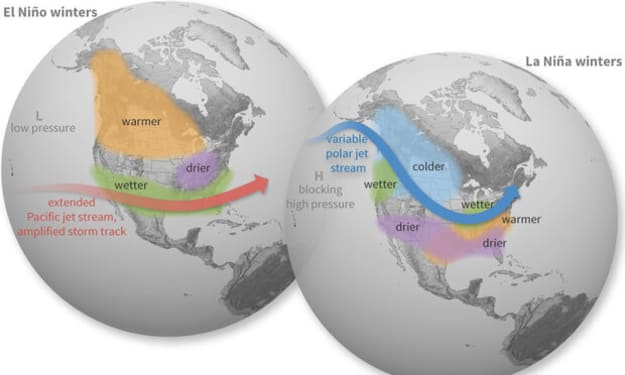
These currents play a crucial role in regulating global climate, weather patterns, and marine ecosystems. Among the most significant ocean currents are the Gulf Stream, El Niño, and La Niña. These phenomena influence temperature patterns, precipitation levels, and storm activities worldwide.
By Badhan Senabout a year ago in Earth
“Painful Times in My Marriage” — Melinda French Gates Reacts to Ex-Husband in Epstein Files
Public attention has intensified after comments attributed to Melinda French Gates referenced “painful times” in her marriage while discussions surrounding documents connected to Jeffrey Epstein continue to surface in public discourse. The situation has reignited conversations about accountability, public image, and the long-lasting impact of associations with controversial figures.
By Aarif Lashari6 days ago in Earth


Comments (1)
Good job and what a great scientific nature article. We must all listen more closely to what nature tells us.