
Into the Heart of Darkness: An Inside Look at Papua's Last Cannibal Tribe
Jungle

In the dense, untamed jungles of Papua, where modernity and tradition clash with an intensity that’s palpable, lies a world almost untouched by the 21st century. Here, amid the sprawling rainforests and towering treehouses, I embarked on a journey that would push my limits and immerse me in a culture shrouded in both fascination and fear. My quest: to uncover the truth about Papua's enigmatic cannibal tribes.
My adventure began with a cascade of misadventures. Arriving in West Papua, Indonesia, I was met with immediate challenges. My camera guide was denied entry, leaving me to navigate the labyrinthine bureaucracy of local travel alone. Without a licensed tour guide, venturing into the jungle to meet the elusive Corai tribe became a daunting task.
In the bustling city of Gapura, the logistics quickly unraveled. The absence of a reliable guide, compounded by the challenge of booking domestic flights manually in an era dominated by digital convenience, added layers of frustration. The ticketing process resembled a scene from the 1980s, requiring physical presence and manual transactions.
After securing a flight—despite numerous setbacks including a stuck ATM card and a special police permit—we finally managed to book our trip. The journey was fraught with anxiety: our guide was late, the weather was unpredictable, and the plane was cramped and stifling. Yet, despite these hurdles, we pushed forward, determined to reach our destination.
Arriving at the edge of the rainforest, the terrain transformed into a maze of mud and foliage. We embarked on a grueling trek through leech-infested undergrowth, guided by local villagers who offered their assistance. The dense jungle, with its cacophony of exotic sounds, was both awe-inspiring and intimidating.
The tribe I sought, the Corai, were rumored to practice cannibalism—a practice that has long fascinated and horrified outsiders. However, the tribe I encountered was not the Corai but the Mamuna, a neighboring tribe with similar cultural practices but not known for cannibalism. The confusion was a result of misinformation, but the experience proved to be equally revealing.
The Mamuna tribe, numbering around 3,000 members, live in stilted treehouses scattered throughout the jungle. These structures are not just practical but deeply symbolic, offering protection from floods, wild animals, and rival clans. Their way of life is a vivid tapestry of ancient traditions, and despite their isolation, they are not immune to the influences of modernity.
Among the most striking elements of their culture is their diet, centered around sago—a starchy substance derived from tropical palm trees. During my visit, I witnessed the Mamuna preparing sago, a staple of their diet. The preparation process was a communal effort, involving both men and women, and highlighted the tribe’s deep connection to their environment.
Interestingly, while the Mamuna tribe does not practice cannibalism, their neighbors, the Corai, are known for this grim tradition. The Corai practice cannibalism not for sustenance but as a form of ritualistic punishment. Those accused of crimes or suspected of being malevolent spirits, called “kakua,” are subjected to ritualistic cannibalism as a means of protecting the community from perceived threats.
The Corai’s cannibalistic practices are rooted in their belief system, which views human flesh as a necessary element in combating the kakua. These rituals are not acts of savagery but are deeply ingrained in their system of justice and spiritual beliefs. Understanding this context was crucial in challenging my own preconceptions about their practices.
Throughout my stay, the Mamuna tribe exhibited a profound hospitality, despite the extreme cultural differences. They welcomed me into their homes, shared their meals, and even invited me to join them on a hunt. The experience of hunting alongside them was both exhilarating and humbling, revealing their intricate knowledge of the forest and their remarkable skills in using traditional weapons.
The stark contrasts between my world and theirs became increasingly apparent. While the Mamuna lived with a level of simplicity that would seem alien to most, their community was rich with meaning and value. Their daily lives, though devoid of modern conveniences, were full of vibrant traditions and mutual respect.
This journey into Papua's jungle was more than an exploration of a remote culture; it was a deep dive into the essence of human diversity and resilience. The Mamuna and the Corai tribes, despite their differences, shared fundamental human traits: love, fear, and a desire for survival. Their lives, though far removed from the comforts of the modern world, were interconnected through a shared history and environment.
In the end, my adventure was a profound reminder of the vastness of human experience and the importance of cultural respect. The Mamuna tribe, with their ancient ways of life and rich traditions, taught me that civilization is not merely about technological advancement but about the depth of human connection and understanding.
As I left the jungle, I carried with me a new perspective on the concept of civilization and the ways in which different cultures navigate their existence. The journey into the heart of darkness revealed not just the complexities of Papua's tribes but also the universal threads that bind us all as human beings.
For those intrigued by the enigmatic and the extraordinary, Papua remains a land of mystery and wonder—a testament to the diverse ways in which humanity endures and evolves.
About the Creator
Keep reading
More stories from Rapelang Malebelle and writers in Earth and other communities.
Bridging the Divide: Cape Town's Persistent Racial Chasm and the Legacy of Apartheid
In the heart of Cape Town, a starkly divided cityscape lays bare the enduring legacy of South Africa's apartheid era. The divide is not just a geographical one but a reflection of deep-seated socio-economic disparities that persist decades after the official end of apartheid. This story unfolds across a seemingly innocuous strip of land—a narrow stretch that separates the affluent beachside community of Strand from the densely populated township of Nomzamo. Although they are only a few meters apart, the two areas could not be more different.
By Rapelang Malebelleabout a year ago in Earth
Inflation Remained at 2.7% in December: High Prices Continue to Weigh on Many Americans
As Americans rang in the new year, many were relieved to see that inflation in December held steady at 2.7%, according to the latest reports. On the surface, this might seem like good news — a signal that runaway price growth is slowing. But for countless households across the country, the reality is more complicated: high prices continue to strain budgets, affecting everything from groceries to gas, rent, and beyond. The Numbers Behind the Headlines December’s 2.7% inflation rate, measured year-over-year, shows no significant change from November. This is a continuation of the trend economists have watched closely throughout 2025: after a period of intense price spikes, inflation appears to be moderating but remaining stubbornly above pre-pandemic norms. Key areas contributing to this steady inflation include: Food prices, particularly meat, dairy, and fresh produce, which have remained elevated due to supply chain challenges and global agricultural pressures. Housing costs, including rents and home prices, which continue to rise in many urban and suburban markets. Energy prices, especially gasoline and home heating, which fluctuate seasonally but have not dropped enough to ease household pressure. While 2.7% may seem manageable compared to the double-digit spikes of 2021–2022, it still outpaces wage growth for millions of Americans, meaning that in real terms, many are experiencing reduced purchasing power. How Inflation Affects Everyday Americans For many families, the impact of steady inflation is tangible. Consider this: a household spending $500 a month on groceries in 2025 might now be paying over $535 for the same items. Gasoline, which has seen seasonal swings, can quickly add dozens of dollars to monthly commuting costs. Rent, historically the largest expense for most households, has grown faster than wages in many cities. A steady 2.7% inflation rate means renters face incremental increases in living costs every month, often outpacing salary adjustments. Even seemingly small price increases ripple across budgets. Families may delay purchases, cut discretionary spending, or tap savings, which in turn affects broader consumer demand — a key driver of economic growth. The Role of the Federal Reserve and Economic Policy Inflation is not just about prices at the grocery store — it’s also shaped by monetary policy, interest rates, and government action. Throughout 2025, the Federal Reserve maintained a cautious approach, keeping interest rates relatively high to control inflation without triggering a recession. The Fed’s actions aim to balance: Slowing price growth to protect consumers’ purchasing power Avoiding a sharp economic downturn that could result from overly aggressive rate hikes Despite these efforts, economists warn that inflation’s persistence at 2.7% suggests structural pressures in the economy. Global supply chain disruptions, rising energy costs, and ongoing demand for goods and services continue to exert upward pressure on prices, making it harder for policy alone to bring relief. Inflation and Wage Growth: A Delicate Balance One of the most concerning aspects of steady inflation is its relationship with wages. For workers whose salaries haven’t kept pace with rising costs, inflation effectively reduces real income. Some sectors, like technology and healthcare, have seen modest wage gains, but many service industries — retail, hospitality, and small businesses — continue to struggle. Employees in these fields often find that even small price increases can significantly affect their quality of life, from grocery shopping to transportation and childcare expenses. What This Means for the Economy Steady inflation at 2.7% has several implications for the broader economy: Consumer Spending: When households feel the pinch, discretionary spending declines, which can slow economic growth. Investment Decisions: Businesses facing higher input costs may delay expansion or hiring, affecting job markets. Housing Market Dynamics: Rising rent and home prices continue to challenge affordability, influencing both buyers and renters. Financial Planning: Americans are increasingly turning to budgeting strategies, high-yield savings, or side income to offset higher costs. Economists stress that while inflation at this level is not catastrophic, it remains a long-term concern, especially if wages fail to keep up with price growth. Strategies for Coping with Persistent Inflation For households navigating these pressures, there are several approaches: Budget adjustments: Tracking expenses and prioritizing essential costs can help manage monthly finances. Smart shopping: Using discounts, bulk purchasing, and price comparison can reduce grocery and household costs. Energy efficiency: Lowering utility bills through energy-saving practices mitigates rising energy prices. Financial literacy: Investments, savings, and debt management become even more crucial in times of persistent inflation. While these steps cannot eliminate inflation’s impact, they provide tangible ways for Americans to protect their finances. Looking Ahead Economists predict that inflation in 2026 may continue to hover around 2–3%, barring unexpected shocks such as global conflicts, energy crises, or supply chain disruptions. While not extreme, this range continues to influence household budgets, corporate planning, and government policy decisions. For many Americans, the lesson is clear: even modest inflation can weigh heavily on day-to-day life. Staying informed, adjusting financial habits, and understanding the economic landscape remain essential for navigating a world where prices are higher than before. Steady inflation at 2.7% is a reminder that economic stability is fragile. While the numbers suggest moderation, the lived experience of millions of Americans shows that high prices are far from over, influencing decisions from grocery shopping to career planning. As the new year unfolds, households, businesses, and policymakers alike must grapple with the realities of an economy where every percentage point matters.
By Muhammad Hassan6 days ago in Earth
UAE Enters Al Shabt: Brace for Winter’s Coldest Days
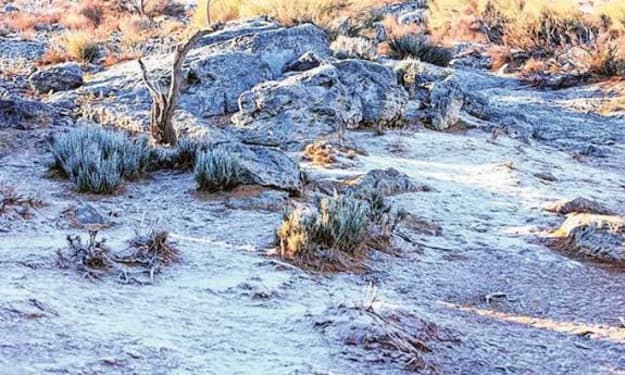
The United Arab Emirates is set to experience one of the harshest winter spells in recent memory as the country enters Al Shabt, a period traditionally associated with extreme cold. Residents across the emirates are being urged to prepare for temperatures that are expected to drop well below seasonal averages, with potential disruptions to daily life, travel, and energy consumption. Meteorologists have warned that Al Shabt, historically marked by icy winds and sudden temperature dips, will this year be particularly severe due to a combination of regional weather patterns and shifting global climatic trends. Forecasters predict nighttime temperatures in some areas could drop to as low as 8–10°C, a significant decline for a country more accustomed to mild winters. Coastal regions may experience slightly warmer conditions, but the cold will be intensified by strong northern winds sweeping across the Arabian Peninsula. Understanding Al Shabt Al Shabt, which translates to “the coldest part of winter,” is a term deeply embedded in Gulf traditions. Historically, Bedouins and farmers used the period to plan agricultural activities, livestock care, and resource management. Today, while modern infrastructure and urban planning mitigate some effects of the cold, the cultural significance remains, and residents are reminded of its intensity through historical observations and local weather lore. “Al Shabt is more than a cultural marker—it’s a meteorological reality,” said Dr. Aisha Al Mansoori, a senior climatologist at the UAE National Center for Meteorology. “We are observing patterns that suggest this Al Shabt could be colder than usual. Residents should take precautions, especially in northern and inland regions where the temperature drop will be most pronounced.” Preparing for the Cold Authorities across the UAE are taking proactive measures to help residents and businesses prepare for the upcoming cold spell. The Ministry of Interior has issued advisories for motorists to check vehicle heating systems and tire conditions, while electricity and water authorities are ensuring that energy grids are ready for increased demand. Hospitals and emergency services have also been put on alert to handle potential cold-related health incidents. Schools and universities are expected to remain open, but parents are being advised to dress children in warm layers and limit outdoor exposure, especially during early morning and late evening hours. Workplaces are encouraged to implement flexible schedules to reduce the risks associated with commuting during frigid mornings. Travel and Transportation Challenges The UAE’s extensive road network and urban infrastructure may face some challenges during Al Shabt. While snow is highly unlikely, fog formation during the early morning hours could reduce visibility, leading to potential travel disruptions. Aviation authorities are coordinating with meteorologists to monitor conditions at major airports, ensuring that flights remain on schedule while prioritizing passenger safety. “Drivers should exercise caution and plan extra time for their journeys,” said Hamad Al Suwaidi, a senior official at the Roads and Transport Authority. “Even a minor dip in temperature can create slick roads in certain areas, and we advise everyone to remain vigilant and adhere to safety guidelines.” Impact on Daily Life Beyond transportation, the cold weather is expected to affect outdoor events, construction projects, and energy consumption. Many outdoor workers may need additional protective clothing, while households will see a surge in electricity usage for heating. Retailers and service providers are preparing for increased demand for warm clothing, heaters, and other winter essentials. Health experts emphasize the need for precautions, particularly among vulnerable populations such as the elderly, children, and individuals with preexisting conditions. “Cold weather can exacerbate respiratory illnesses and cardiovascular problems,” said Dr. Mohammed Al Hammadi, a public health specialist. “Hydration, proper clothing, and staying indoors during the coldest hours are key measures to minimize health risks.” Looking Ahead While Al Shabt is expected to last for several days, meteorologists suggest that the period of extreme cold will gradually ease as the region transitions toward milder winter conditions. Nevertheless, residents are advised to remain prepared and informed, as sudden weather shifts are common in the Gulf. “The key to navigating Al Shabt is awareness and readiness,” Dr. Al Mansoori concluded. “The cold may be intense, but with proper precautions and respect for the weather, residents can stay safe and even enjoy the unique aspects of this traditional winter period.” In the coming days, the UAE will experience an unusual contrast—desert landscapes typically associated with warmth will be gripped by biting cold, reminding residents of the country’s diverse climatic character. As the nation braces for Al Shabt, the emphasis is on preparation, safety, and resilience, ensuring that the coldest days of winter are met with caution rather than surprise.
By Fiaz Ahmed Brohi3 days ago in Earth



Comments (1)
Thanks for sharing