
India's Attar Creation
Recreation of the smell of rain on the earth.
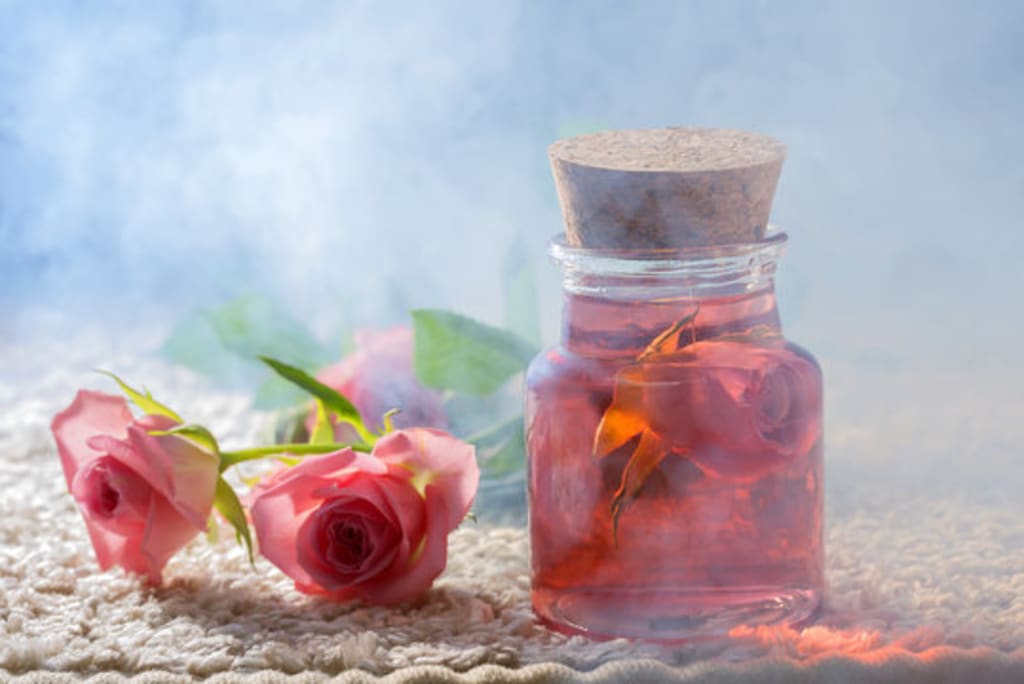
The ancient craft of making attar, the pure perfume derived from fresh roses, is a tradition that has withstood the test of time in India's perfume capital, Kannauj. As one of the few places still practicing this art, Kannauj stands as a testament to the rich cultural heritage and the dedication of its skilled artisans.
In this enchanting city, the process of creating attar is a labor-intensive and meticulous one. The first and most crucial step is gathering fresh roses from the fields near Kannauj. These roses are carefully selected for their fragrance and quality. The process demands precision, as every detail matters when it comes to capturing the essence of the rose in its purest form.
The distilleries where the attar is crafted reflect the simplicity of the ancient tradition.The distillation process starts by filling copper containers, known as degs, with the perfect amount of water, approximately 80 kilos. Upon the arrival of the roses, they are weighed to achieve the right balance and ratio, which is vital for the final product. Skilled craftsmen evenly spread out the roses in the degs, and the transformation begins.
Sealing the rim of the containers with a mixture of clay and cotton, the craftsmen then ignite firewood inside an earthen oven called a bhatty. As the water and roses are heated, fragrant steam is emitted and collected through a hollow bamboo pipe, known as changa. The steam then condenses in a smaller container, the bhapka, filled with sandalwood oil, which forms the base of the attar.
Throughout the six-hour distillation process, the workers carefully monitor the temperatures of the vessels using their hands and experience, rather than relying on modern thermometers. They ensure that the degs are warm enough to produce steam but not too hot to damage the delicate scent. Additionally, they maintain the bhapka's coolness to turn the steam back into liquid form.
Creating attar is a labor of love, demanding patience, focus, and dedication. Any oversight or slip-up during the process can lead to negative results, affecting the final fragrance. The end product, however, is well worth the effort, as it is an all-natural attar, free from alcohol or artificial chemicals, and boasts a mesmerizing scent that lingers for days.
The distilleries in Kannauj produce not only rose attar but also over 15 different kinds of oils, each with its unique aroma and significance. One of the most cherished varieties is mitti attar, meaning "earth perfume." This particular attar captures the sweet and soothing scent of rain on dry, parched earth. To recreate this nostalgic fragrance, the craftsmen use old clay pots previously used for spices or tea, which are crushed and added to the water during distillation.
While some attars, like rose attar, can be made in a single day, others can take weeks or even months to produce. The distillation and redistillation process continues until the scent reaches the desired potency, ensuring that every drop of the final product is exquisite.
The last step in the ancient process is the bottling stage, where the attar is carefully filled into tiny bottles by hand, using a funnel and a bucket. The artistry and craftsmanship extend beyond the distillation process and into the packaging of this treasured perfume.
Given the labor-intensive nature of this age-old craft, attar production in Kannauj faces challenges in the modern era. With changing consumer preferences and the allure of western perfumes, the demand for traditional attar has dwindled, leading to the closure of many distilleries. However, Kannauj remains a beacon of hope and perseverance for preserving this ancient art.
Despite the challenges, the cultural significance of attar endures, with Muslims across South Asia having used it for centuries. In addition to its popularity within India, these chemical-free attars are cherished in the Middle East, and European fragrance houses import them to incorporate into their modern perfumes, bridging the gap between ancient tradition and contemporary trends.
The production of attar in Kannauj holds a deep-rooted history, originating from ancient Persia and the Middle East thousands of years ago. It was popularized in India during the 17th century by the Mughal kings. Today, it is the dedication of the skilled craftsmen in Kannauj and their unwavering commitment to preserving this timeless tradition that keeps the art of attar creation standing tall. It is a testament to the enduring beauty and significance of this ancient craft, which continues to inspire awe and appreciation for the power of natural fragrances in our modern world.
.
About the Creator
Keep reading
More stories from sharmya Dinesh and writers in Earth and other communities.
Sunny's Home
In a quaint little suburban home, nestled amidst a picturesque garden, lived a family who had a very unexpected guest – a tiny, chirpy bird. It was a warm summer morning when the family awoke to the delightful sound of cheerful tweets echoing through their living room. As they followed the sound, they were surprised to find a small, vibrant bird perched gracefully on the curtain rod.
By sharmya Dinesh3 years ago in Earth
I Never Imagined This!’ How KPop Demon Hunters Could Make History at the Grammys and the Oscars
When KPop Demon Hunters was first announced, even its creators likely did not expect it to spark serious awards-season conversations. Blending high-energy K-pop music, supernatural action, animation, and global storytelling, the project initially seemed like a bold experiment aimed at younger audiences and niche fandoms. Today, however, it is being discussed as a potential history-maker—one that could break barriers at both the Grammys and the Academy Awards.
By Aarif Lashari5 days ago in Earth



Comments
There are no comments for this story
Be the first to respond and start the conversation.