
India-Pakistan Conflict: Missile Test, UN Pressure, and a Glimmer of Diplomacy
Tensions between India and Pakistan remained dangerously high on Tuesday as both countries ramped up military posturing while the United Nations stepped up diplomatic pressure to prevent the crisis from spiraling out of control.
India-Pakistan Conflict: Missile Test, UN Pressure, and a Glimmer of Diplomacy
Date: May 14, 2025
By: [India-Pakistan]
Location: New Delhi / Islamabad
Tensions between India and Pakistan remained dangerously high on Tuesday as both countries ramped up military posturing while the United Nations stepped up diplomatic pressure to prevent the crisis from spiraling out of control.
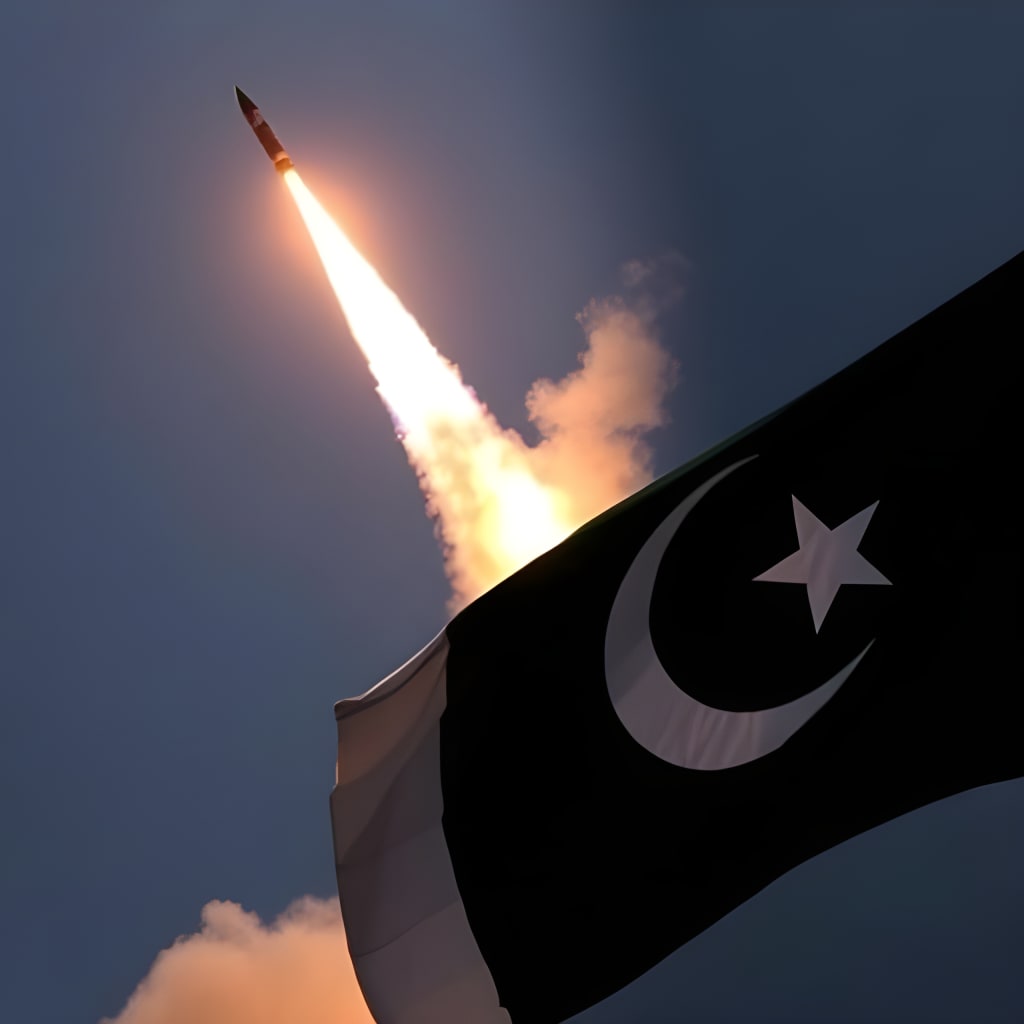
In a development that alarmed regional and global security observers, Pakistan test-fired a short-range surface-to-surface ballistic missile early this morning, just hours after India conducted a high-altitude combat exercise near the Ladakh sector. Both sides insist these moves were “routine,” but analysts believe they were calculated shows of strength meant to deter further aggression.
Missile Test Adds Fuel to the Fire
The Pakistani military confirmed it successfully tested the Ghaznavi missile, capable of carrying conventional and nuclear warheads. The Inter-Services Public Relations (ISPR) said the test was “pre-planned” and intended to demonstrate the country’s “credible minimum deterrence” doctrine.
Indian media outlets, however, called the launch “provocative,” with former military officials warning that it “undermines regional stability.” In response, India’s Ministry of External Affairs issued a statement expressing “grave concern” and called on Pakistan to “avoid escalatory moves.”
Earlier, India had conducted a high-altitude air drill involving Mirage-2000 and Su-30MKI fighter jets. The Indian Air Force said the exercise was part of “operational preparedness,” but its timing—less than 48 hours after a deadly LoC exchange—suggested a clear message to Islamabad.
Rising Toll Along the Border
Skirmishes have now entered their second week, and both countries continue to report casualties. In India’s Uri sector, two more soldiers were killed in mortar shelling allegedly launched from the Pakistan side. Pakistan’s army claims Indian shelling struck a school building in the Haveli district of Azad Kashmir, injuring six children.
The Indian government has begun deploying mobile hospitals in high-conflict areas, while Pakistan has called on international humanitarian agencies to provide aid in civilian-hit zones.
Thousands of families have now been displaced on both sides of the LoC. Local authorities are setting up emergency relief camps, but access remains difficult due to ongoing military operations.
UN Increases Pressure, Proposes Mediation Framework
In a rare move, the United Nations Security Council issued a joint statement late Tuesday, calling for “immediate cessation of hostilities and urgent resumption of bilateral dialogue.” The statement emphasized the risks of “miscalculation between nuclear-capable states” and appealed to both sides to allow UN observers to assess the humanitarian impact along the LoC.
UN Secretary-General António Guterres proposed a five-point mediation framework, which includes:
Immediate ceasefire and troop de-escalation.
Restoration of diplomatic channels at the ambassadorial level.
Humanitarian corridors along conflict zones.
A regional peace summit hosted by a neutral country.
Creation of a South Asia Conflict Prevention Task Force.
Both New Delhi and Islamabad have so far responded cautiously. India reiterated that it does not accept third-party mediation, while Pakistan welcomed any peace effort that “acknowledges the suffering of Kashmiris.”
Civil Society and Global Voices Push for Peace
As the threat of further conflict looms, public pressure for peace is mounting. In Islamabad, over 2,000 students and professionals gathered for a “Candlelight Call for Calm,” demanding an end to the fighting. In India, Nobel Peace Laureate Kailash Satyarthi issued a statement urging the governments to “listen to the people, not the provocateurs.”
Media houses in both countries have published joint editorials under the banner “Voices Across Borders,” calling for immediate restraint and a return to diplomacy. The initiative, backed by Indian Express and Pakistan’s Dawn, marks a rare show of journalistic unity in times of conflict.
Tech, Economy Begin to Feel the Pressure
The war of words and weapons is beginning to impact the economy more visibly. Major tech companies in Bangalore and Karachi reported reduced productivity and disrupted communications due to internet slowdowns, suspected to be linked to national security operations.
The Sensex and KSE-100 indices both declined for a third straight day. Meanwhile, India’s foreign investment inflows dipped slightly, and Pakistani exporters raised concerns over delayed shipments and trade route blockages.
Oil prices in South Asia have surged as supply routes near the Pakistan-India border face potential disruptions. The Indian government has begun emergency procurement from Gulf nations, while Pakistan is seeking alternative supply agreements with Iran and China.
A Sliver of Hope: UAE to Host “Shadow Dialogue”?
Despite the hardened public stances, diplomatic whispers suggest that quiet progress may be underway behind the scenes. According to sources in the United Arab Emirates, both Indian and Pakistani intelligence officials are in Abu Dhabi for what is being called a “shadow dialogue”—an informal meeting to explore a possible ceasefire framework.
Neither government has confirmed this, but the UAE has played a mediating role in the past. If true, the dialogue may offer the only current path out of the escalating standoff.
⚠️ The World Holds Its Breath
With the threat of conflict escalating each day, the need for dialogue, de-escalation, and diplomacy has never been greater. As soldiers exchange fire and civilians suffer in silence, the global community waits—hoping that reason and restraint will prevail over revenge.
About the Creator
Sumon Ahmed
Writer, dreamer, and curious thinker. I explore life through stories—travel, culture, personal growth, and more. Sharing insights, inspiration, and the beauty of everyday moments one word at a time.
Keep reading
More stories from Sumon Ahmed and writers in Earth and other communities.
China’s Ambitious Satellite Plan: 200,000 Satellites and Counting
China has submitted an astonishing application to the International Telecommunication Union (ITU) to launch 200,000 satellites over the coming years. To put this into perspective, the entire world currently operates far fewer than this number. Even SpaceX’s Starlink project, one of the largest satellite networks globally, has plans for around 42,000 satellites. China’s proposal signals an unprecedented escalation in space activity and raises important questions: what are these satellites for, and what implications do they hold for global technology, security, and the environment? The Purpose Behind the Numbers At first glance, launching 200,000 satellites may seem excessive, but China’s goals are strategic and multifaceted. Experts suggest that these satellites could serve several purposes: 1. Global Internet Coverage China is aiming to build a massive low-Earth orbit (LEO) satellite network, similar to Starlink and OneWeb. By positioning thousands of satellites closer to Earth, they can provide high-speed internet to remote regions, rural areas, and even ships or aircraft in the oceans. This could help China expand its digital influence globally, offering connectivity in areas where traditional internet infrastructure is weak or non-existent. 2. Enhanced Military and Surveillance Capabilities A satellite network of this scale is also a game-changer for defense and surveillance. Satellites can monitor troop movements, track ships, and provide early warning systems. China’s military has been investing heavily in space-based technology, and these satellites could be a crucial part of modernizing its intelligence, surveillance, and reconnaissance (ISR) capabilities. 3. Scientific Research and Earth Observation Some of these satellites may be dedicated to Earth observation, collecting data on climate, agriculture, natural disasters, and urban development. With thousands of satellites constantly orbiting the planet, China could achieve near real-time monitoring of environmental changes and resource management, giving scientists and policymakers an unprecedented level of insight. 4. Competition in the Commercial Space Sector China’s plan is not purely for government use. The commercial potential of satellite networks is massive, from providing satellite internet services to supporting the burgeoning space economy. Companies under Chinese state and private ownership could leverage this infrastructure to offer services domestically and internationally, challenging Western tech giants in global space markets. The Scale of the Ambition Launching 200,000 satellites is not just ambitious; it’s historic. If approved and executed, China would operate more satellites than all other countries combined, fundamentally reshaping how space is utilized. However, there are serious logistical challenges. Manufacturing, launching, and maintaining hundreds of thousands of satellites requires enormous resources, advanced technology, and careful orbital planning to avoid collisions. China has made major progress in its space launch capacity, with frequent missions through the Long March rocket family and ongoing developments at the Wenchang and Jiuquan Spaceports. Yet, sustaining such a colossal fleet will test even the most advanced space programs. Global Implications The potential consequences of China’s satellite plan are profound, both technologically and geopolitically. 1. Space Traffic Management A network of 200,000 satellites could drastically increase the risk of collisions in orbit. Space debris is already a growing concern, and introducing tens of thousands of new satellites may exacerbate this problem. International cooperation and sophisticated traffic management systems will be essential to prevent catastrophic accidents in space. 2. Geopolitical Tensions China’s space ambitions may intensify global rivalry in space technology, particularly with the United States, Europe, and other spacefaring nations. Control over satellite networks can translate into strategic advantages, from military surveillance to dominance in global communications infrastructure. This may lead to a new phase of space competition reminiscent of the Cold War’s space race. 3. Impact on Astronomy Astronomers have already expressed concern over satellite mega-constellations interfering with observations. Thousands of bright satellites moving across the night sky can distort telescope images and hinder research into deep space phenomena. If China proceeds with 200,000 satellites, the challenge to professional and amateur astronomers will be enormous. 4. Global Connectivity Revolution On the positive side, if managed responsibly, China’s satellite network could revolutionize global connectivity, bringing internet access to millions of people who currently have none. It could accelerate digital development in underserved regions, support education, and foster global commerce in unprecedented ways. Regulatory Hurdles The ITU regulates global satellite usage, including frequency allocation and orbital slots. For China to launch 200,000 satellites, it must secure approval from the ITU, which evaluates whether such an immense network could interfere with other countries’ satellites or violate international agreements. This is not a mere formality—approval for a project of this scale could take years and may require negotiations with multiple nations. Conclusion: A Bold Step Toward the Future China’s application to launch 200,000 satellites is a bold statement about the future of space and global technology. It reflects the country’s ambition to dominate in digital infrastructure, military capability, and commercial space enterprise. While challenges abound—from space debris and regulatory hurdles to geopolitical tensions—the potential benefits are significant, particularly for connectivity and scientific advancement. As the world watches China’s next steps, one thing is clear: the age of satellite mega-constellations is here. How humanity navigates the risks and rewards of this new frontier will shape the future of communication, security, and our presence in space for decades to come.
By Muhammad Hassan5 days ago in Earth




Comments (5)
You’re glowing with purpose!
You’re such an inspiration
This made my day
So proud of you!
nights