
Identifying Early Signs of Tree Stress Before Autumn Arrives
Treework Environmental Practice

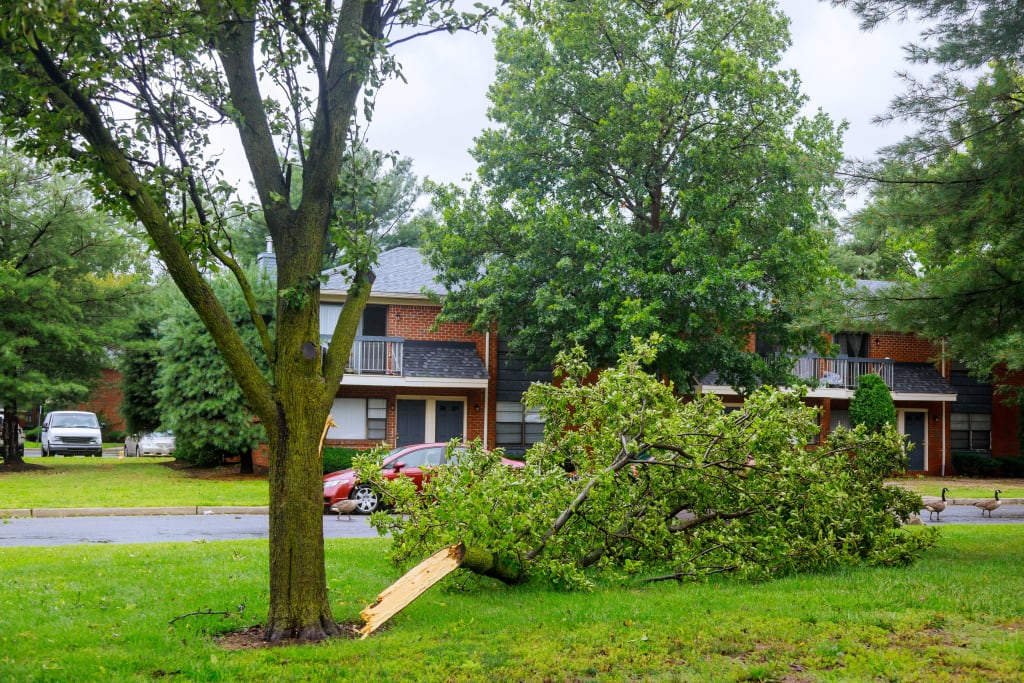
Walk through a garden in late August and, at first glance, everything seems fine. Trees are heavy with leaves, birds are still flitting between branches, and there’s that end-of-summer warmth hanging in the air. But if you pause for a moment and look closer, the signs of early tree stress can start to show themselves. A patch of dry, curling leaves on the sunny side. A few more twigs than usual were scattered across the lawn. A branch that seems thinner than the rest.
This is the stage where a tree health inspection becomes worth its weight in gold. It’s not about waiting for obvious damage. It’s about catching the quiet signals, before autumn winds and rain push a struggling tree past its limit.
Anyone looking after a garden, estate, or public space can benefit from spotting these signs early. Acting now saves a lot of time, money, and heartache later.
Table of Contents
· How late-summer conditions quietly wear trees down
· Subtle changes that show early tree stress
· Why an arborist survey can make the difference
· Practical ways to help trees recover
· How early checks protect trees for the long term
How Late-Summer Conditions Quietly Wear Trees Down
By the end of summer, trees have been working hard for months. Long, hot days pull moisture from the soil faster than it can be replaced. Even after a quick summer downpour, the top layer dries out almost instantly, leaving the deeper roots thirsty.
Heat and dryness are only half the story. Pests are thriving by now. Aphids cling to tender growth, borers target weaker wood, and fungal spores take advantage of humidity after rainfall. A tree that looks fine from the street might be struggling internally, balancing all these pressures at once.
If you walk around after a few dry weeks, you might notice the soil feels hard underfoot. That compaction makes it harder for roots to breathe and absorb water. It’s an invisible stress that slowly chips away at the tree’s health.
Subtle Changes That Show Early Tree Stress
Trees rarely announce their problems loudly. Instead, the hints are small and easy to miss unless you know what to look for.
Brown tips or edges on leaves are one of the first giveaways, particularly on the side that gets the most sun. In some cases, the leaves start to curl slightly or lose their shine. If you notice a branch or section of the canopy looking sparser than the rest, that’s another quiet warning.
Dropping leaves early, especially if you see yellow or curled ones on the ground in August, is the tree’s way of protecting itself, reducing the water demand it can’t supply. Brittle twig ends or a light scattering of dead twigs under the canopy are signs the tree is cutting off what it can’t sustain.
These changes don’t always look alarming, but they’re the point where an arborist survey can reveal what’s happening.
Why an Arborist Survey Can Make the Difference
A professional doesn’t just glance at the canopy. They read the tree like a story. During a tree health inspection, an arborist looks at how the branches balance, the colour and texture of the bark, and whether the root flare shows any signs of stress. They notice slight leans, hairline cracks, and even the smell of fungal activity if it’s present.
Late-summer inspections give you a window to act while the tree is still active and capable of recovery. Waiting until autumn, when growth slows, often means the tree enters the cold months in a weakened state, harder to support, harder to save.
Practical Ways to Help Trees Recover
Once early stress is spotted, the solutions are often simple but effective. Deep watering once or twice a week helps the roots reach moisture further down, rather than encouraging shallow surface roots.
Mulching is one of the most reliable ways to stabilise soil moisture levels. A ring of wood chips or composted bark around the base keeps the ground cooler and reduces evaporation. Just leave a small gap around the trunk to prevent damp against the bark.
If the soil feels compacted, lightly aerating it with a fork or professional tools lets water and air reach the roots again. And selective pruning, removing dead or crossing branches, reduces energy demand and lowers the risk of damage if autumn winds arrive early.
How Early Checks Protect Trees for the Long Term
Catching problems now does more than prevent immediate hazards. Trees that receive care in late summer head into autumn stronger, with energy stored for natural seasonal change. They are far less likely to drop limbs unexpectedly or develop infections over winter.
Healthy trees are also safer for the spaces around them. A strong, stable tree continues to shade gardens, shelter wildlife, and add value to the landscape instead of becoming a liability. Early action gives you peace of mind and keeps your trees thriving for years to come.
FAQ
What is the first sign that a tree is struggling?
Look for brown edges on leaves, early leaf drop, or uneven canopy growth. A small twig drop can also be an early warning.
Do I need an arborist survey every year?
Most trees benefit from an annual tree health inspection, but older trees or those near buildings and footpaths should be checked more often, especially in late summer.
Can a stressed tree recover without help?
Mild stress can improve with rain, but proper care, watering, mulching, and pruning is usually needed for full recovery and to prevent long-term damage.
© Treework Environmental Practice
About the Creator
Luke Fay
The Industry-leading arboricultural consultancy providing expert services to private and public sector clients throughout the UK.
Keep reading
More stories from writers in Earth and other communities.
The Reality of the Illusion of Time
Recently, as I strolled along the short stretch to my strength training session, I aimlessly took in the row of tatty shops and shabby buildings along the route and passed an off-street, in which one of my sisters used to live, around thirteen years ago.
By Chantal Christie Weissabout 15 hours ago in Earth
10 Times Rotten Tomatoes and I Disagreed
***Disclaimer*** I will be ranking these movies in the following manner: The greater the divide between Rotten Tomatoes and I, the higher up on the list (and I am referring to the critic's score, not the audience score). I will also show Rotten Tomatoes' score on each one in addition to my score. I am curious to know what everyone thinks, please let me know in the comments below!
By Madison "Maddy" Newton5 days ago in Geeks
Killing him slowly
There’s an intruder in my house again. He stumbles through the door, wet carrier bags in hand. He’s bought me offerings. I show my appreciation, letting him caress my beautiful body. He wants to touch me. I rub myself against his legs. He sighs, dropping the bags. He can’t resist touching me. Running his hand slowly down my spine, I arch my back towards his caress, let out a low purr. It’s what we both need.
By N J Delmas3 days ago in Horror




Comments
There are no comments for this story
Be the first to respond and start the conversation.