
Human Rights Violations in Iraq: Suppressing Freedom of Expression and Undermining Fair Trials
Curtailing Freedom of Expression and Unfair Trials
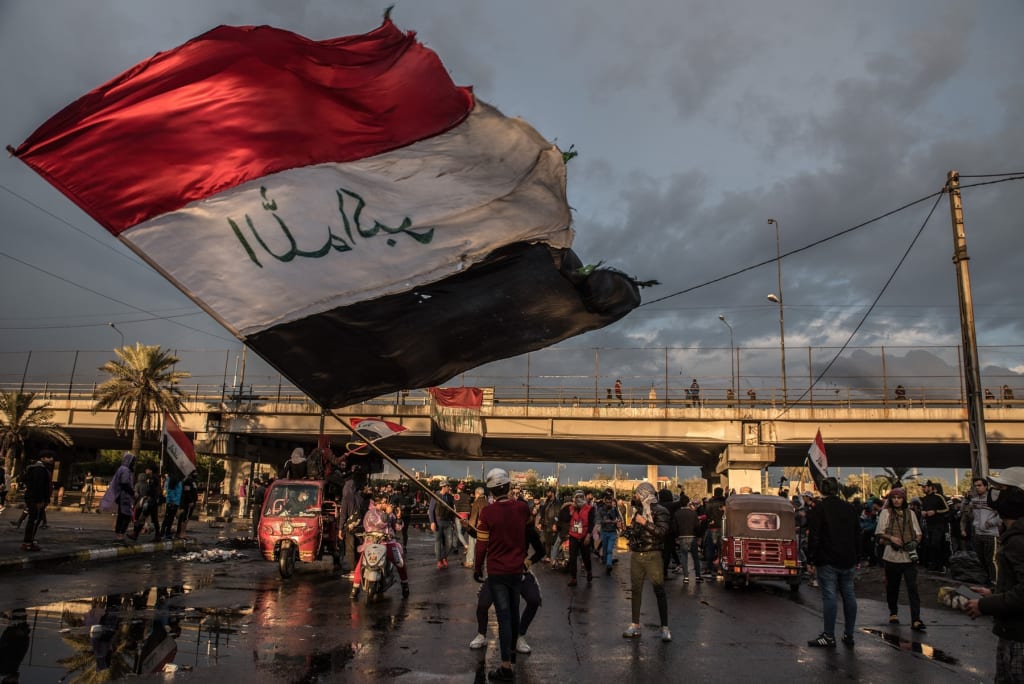
In recent years, Iraq has witnessed waves of protests, with 2021 and 2022 standing out as significant periods of widespread demonstrations. These protests have been fueled by various grievances and have highlighted human rights violations. This post delves into the reasons behind the protests in Iraq, shedding light on the human rights abuses that sparked public outrage and the urgent need for reform. The suppression of freedom of expression through intimidation, violence, and online censorship, along with unfair trials marked by arbitrary arrests and lack of due process, highlights the urgent need for action to safeguard human rights in the country.
One of the most alarming human rights violations in Iraq is the widespread intimidation and violence against journalists. The brave individuals working to uncover the truth and hold power to account often find themselves in danger. Numerous journalists have faced threats, physical attacks, and even assassination attempts for their reporting. In July 2022, prominent journalist Ahmed Abdul Samad was shot dead in Basra, adding to the long list of targeted killings. Such acts of violence create a climate of fear, forcing journalists into self-censorship and depriving the public of critical information.
The digital landscape in Iraq is also not exempt from human rights violations, with online censorship and surveillance on the rise. The government imposes restrictions on social media platforms and monitors online activities, limiting freedom of expression in the virtual sphere. In 2021, authorities blocked access to multiple social media platforms during widespread protests, taking away the ability of citizens to voice their grievances and share information. Surveillance of online activities further chills free expression, as individuals fear repercussions for their digital presence.
One of the key drivers of the protests in Iraq has been the deep-rooted socioeconomic inequality and widespread government corruption. Citizens have voiced their frustration over high unemployment rates, inadequate public services, and a lack of basic amenities. They accuse the political elite of taking public funds, leaving little to no resources for essential services and development projects. These grievances reflect the violation of the right to an adequate standard of living and the right to be free from corruption, both fundamental human rights.
The protests in Iraq also reflect the citizens' discontent with the political dysfunction and a lack of accountability within the government. Demonstrators have called for a more inclusive and responsive political system that addresses their needs and aspirations. The judicial system in Iraq is plagued by numerous challenges, resulting in unfair trials and violations of due process. Defendants, especially those accused of terrorism-related offenses, often endure arbitrary arrests, prolonged pretrial detention, and limited access to legal representation. Forced confessions obtained through torture or ill-treatment are not uncommon, undermining the integrity of the legal process. In some cases, trials lack impartiality, with political interference influencing outcomes.
One striking example of unfair trials is the case of Ali al-Nimr, arrested at the age of 17 during protests in 2012 and sentenced to death in 2014. His conviction was based on a confession allegedly extracted under torture, and he has been denied access to a fair and independent appeal process. The international community has condemned Ali al-Nimr's case as a clear violation of due process and called for his release.
Protests have been met with a severe crackdown, leading to significant human rights violations. Security forces have employed excessive force, including the use of live ammunition, tear gas, and arbitrary arrests, resulting in numerous deaths and injuries among peaceful demonstrators. In some instances, protesters and journalists have been subjected to intimidation, harassment, and targeted attacks. These actions violate the right to peaceful assembly, freedom of expression, and the right to life.
The protests have been a clear call for genuine reforms and robust human rights protections. Demonstrators demand an end to corruption, socioeconomic inequalities, and sectarian divisions. They seek an inclusive political system that represents the interests of all citizens and ensures accountability for human rights abuses. Additionally, protesters advocate for the protection of freedom of expression, the right to peaceful assembly, and the right to a fair legal process.
The Iraqi government has responded to the protests with varying degrees of engagement and repression. While some reforms have been implemented, such as changes in electoral laws and the appointment of a new prime minister, there is still a long way to go in addressing the deep-rooted issues raised by the protesters. The use of excessive force by security forces and the targeting of activists and journalists persist, stifling the right to freedom of expression and peaceful assembly. However, challenges remain including political instability, sectarian tensions, and the threat of extremist groups.
Iraq's current situation is characterized by ongoing human rights violations and protests demanding justice, accountability, and comprehensive reforms. The protests in Iraq during 2021 and 2022 were fueled by grievances related to socioeconomic inequality, government corruption, political dysfunction, and a lack of accountability. The demands for genuine reforms and human rights protections signify the urgency of addressing these issues. It is crucial for the government to heed the calls for change, uphold human rights, and create an inclusive and just society for all Iraqis. International support and cooperation are crucial in promoting and protecting human rights in Iraq. By actively addressing these issues, Iraq can strive towards a future where the rights and dignity of its citizens are respected, and social justice is upheld.
About the Creator
Keep reading
More stories from Mira Ratcliff and writers in Earth and other communities.
The Veil of Resistance: Iran's Compulsory Hijab and the Wave of Protests
In the rapidly evolving world where the call for equality and justice is louder than ever, there are regions where the struggle for these fundamental rights is an everyday battle. Iran presents a unique case in this regard, with its deeply rooted issues of women's rights and wider human rights injustices.
By Mira Ratcliff3 years ago in Earth
What Will the Weather Be Like Tomorrow
## What Will the Weather Be Like Tomorrow Tomorrow’s weather forecast provides an overview of the atmospheric conditions expected over the next twenty-four hours. Weather forecasts are created using scientific observations such as temperature, air pressure, humidity, wind speed, and cloud movement. These observations are analyzed through advanced computer models that simulate how the atmosphere is likely to behave. Because the forecast focuses on a short time frame, it is generally more accurate than long-term predictions. Understanding tomorrow’s weather helps people plan their daily activities, commute safely, and prepare for possible changes in conditions throughout the day.
By America today 6 days ago in Earth
"That Is a Whole Brigade of Red Flags": Adults Over 30 Reveal the Things Every Younger Person Should Know
Growing up can feel like navigating a maze without a map. Mistakes, missteps, and surprises are part of the journey, but guidance from those who’ve already traveled the path can be invaluable. Recently, a trend has emerged where adults over 30 are sharing the key lessons they wish younger people knew—covering everything from relationships and finances to career choices and personal well-being. The consensus? Life is complicated, but awareness can prevent some of the biggest mistakes. Relationships: Spotting the Red Flags Early One of the most common themes in these shared insights is relationships. Adults repeatedly emphasize the importance of recognizing “red flags” early—behaviors or patterns that signal potential trouble in romantic partnerships or friendships. Comments from social media and discussion threads include advice like: “That person constantly dismisses your feelings? Red flag.” “If someone only shows up when it’s convenient for them, don’t ignore it.” “Pay attention to how someone treats people around them, not just how they treat you.” One adult summed it up bluntly: “That is a whole brigade of red flags. Don’t brush it off because it’s easier to stay.” These warnings highlight that emotional awareness and self-respect are essential skills that often come with experience—but younger people can learn them sooner. Financial Wisdom: Learn It Early Another area where older adults wish they had shared knowledge: money management. Many people over 30 reflect on early financial mistakes, from unnecessary debt to poor saving habits. Key advice includes: Start saving as early as possible, even if it’s a small amount. Understand the impact of credit cards and interest rates. Don’t fall into the “keeping up with friends” trap—lifestyle inflation can be deadly. One adult noted, “I wish someone told me that your 20s are for building security, not impressing people. Your future self will thank you.” The pattern is clear: financial literacy is a skill that pays dividends long before it becomes urgent. Career and Work-Life Balance Adults over 30 also emphasize lessons about work, careers, and ambition. Many regret spending too much time chasing prestige or external validation, rather than finding roles that match their values or talents. Tips shared by experienced workers include: Learn to say no to toxic work environments. Don’t ignore mental health in pursuit of career success. Seek mentorship early, but also trust your own judgment. One common refrain: “Your first job is a learning experience, not a lifetime commitment. Don’t be afraid to pivot.” These insights suggest that career strategy isn’t just about climbing the ladder—it’s about long-term fulfillment and avoiding burnout. Health and Well-Being: Habits Matter Health is another domain where older adults wish they had more guidance in their 20s. Many stress the importance of establishing healthy habits early, rather than assuming youth will protect them indefinitely. Practical advice includes: Exercise regularly, even moderately, to avoid long-term issues. Develop a routine around sleep and nutrition. Address mental health proactively; therapy is not just for crises. An adult shared, “You can’t bank youth. Bad habits compound faster than you think.” These messages reinforce that health is not just physical but also mental, and early attention can prevent decades of struggle. Emotional Intelligence and Communication Another recurring lesson involves emotional intelligence and communication skills. Adults note that misunderstandings, conflict, and resentment often arise from poor communication, something younger people might underestimate. Some advice includes: Learn to express feelings without blame or aggression. Recognize your own triggers before reacting. Practice empathy and active listening—it pays off in friendships, work, and romantic relationships. The emphasis here is clear: emotional maturity can prevent repeated mistakes and improve both personal and professional relationships. Social Media and Perception Many older adults also caution about social media pitfalls. In a world dominated by curated images and constant comparison, it’s easy for younger people to feel inadequate or chase validation. Key tips include: Don’t measure your worth by likes or followers. Take breaks from social media when needed. Remember that people rarely post their struggles online. One reflection captures it perfectly: “Everyone looks like they have it together online, but life isn’t filtered. Don’t let comparison steal your confidence.” The Common Thread: Awareness Saves Time Across these lessons, one theme stands out: awareness is power. Adults over 30 are essentially saying that many mistakes are preventable if younger people pay attention to patterns, trust intuition, and act with foresight. Whether it’s spotting red flags, managing finances, choosing a career, or caring for health, small actions early in life can prevent long-term struggles. The shared wisdom is not about fear or pessimism—it’s about preparing for reality while still enjoying youth. Why Younger People Should Listen Learning from others’ experiences can shorten the trial-and-error period of early adulthood. Younger adults are not expected to avoid mistakes completely, but awareness can: Reduce unnecessary hardship Improve decision-making in relationships, finances, and careers Build emotional resilience Encourage self-reflection and intentional living Adults over 30 often wish they could hand these lessons over like a cheat sheet, highlighting that some knowledge is timeless. Final Thoughts The collective advice from adults over 30 reminds younger people that life is full of lessons—some learned the hard way, others passed down through guidance. Red flags in relationships, financial prudence, career choices, health habits, and emotional intelligence are all areas where early awareness can make a significant difference. In the end, the takeaway is clear: listen, reflect, and take action. Life won’t wait, but the wisdom of those who’ve already lived through its challenges can help younger generations navigate the path more smoothly. By paying attention to the “brigade of red flags” and heeding experienced advice, younger people can make more informed choices, avoid repeated mistakes, and approach adulthood with confidence.
By Muhammad Hassan5 days ago in Earth



Comments
There are no comments for this story
Be the first to respond and start the conversation.