
Human Mental Growth
These are quicks remedies for human mental growth

Here are a few storylines: What is Human Mental Growth?
Human mental growth refers to the development and maturation of cognitive abilities, emotional intelligence, and psychological well-being throughout a person's life. It encompasses the various changes and advancements that occur in an individual's thinking, reasoning, problem-solving, memory, language, social skills, and overall mental capacity.
Human mental growth begins at birth and continues throughout childhood, adolescence, and into adulthood. It is influenced by a combination of genetic factors, environmental factors, and individual experiences. The brain undergoes significant structural and functional changes during different stages of development, which contribute to the growth of cognitive abilities.
During early childhood, mental growth is characterized by rapid brain development and the acquisition of fundamental cognitive skills such as language development, object permanence, and basic mathematical understanding. As children grow older, their cognitive abilities become more sophisticated, allowing them to engage in abstract thinking, logical reasoning, and complex problem-solving.
Adolescence is a crucial period for mental growth as individuals experience significant changes in brain structure and function and develop higher-order cognitive abilities. This stage is marked by the development of identity, self-awareness, moral reasoning, and the ability to think critically and make decisions.
In adulthood, mental growth continues as individuals acquire knowledge and skills through education, work, and life experiences. This stage is characterized by the refinement and application of cognitive abilities, emotional intelligence, and the capacity for self-regulation and adaptability.
It's important to note that mental growth is not a linear process, and individuals may experience variations in their development due to factors such as genetics, environment, culture, and individual differences. Additionally, mental growth can be influenced by various factors such as education, social interactions, physical health, and mental stimulation.
Overall, human mental growth refers to the progressive development and enhancement of cognitive abilities, emotional intelligence, and psychological well-being as individuals mature and navigate through different stages of life.
What could help us make our mental health better?

1 - Improving mental health is a multifaceted process that involves various strategies and approaches. Here are some common techniques and practices that can help promote better mental health:
2 - Seek professional help: If you're experiencing persistent mental health challenges, it's essential to consult with a mental health professional such as a psychologist, psychiatrist, or therapist. They can provide diagnosis, treatment, therapy, and support tailored to your specific needs.
3 - Build a support network: Cultivate strong relationships with family, friends, and supportive individuals who can offer understanding, encouragement, and assistance during difficult times. Sharing your feelings and concerns with trusted individuals can alleviate stress and provide emotional support.
4 - Practice self-care: Prioritize self-care activities that promote overall well-being. This may include getting regular exercise, maintaining a balanced diet, ensuring sufficient sleep, engaging in hobbies and activities you enjoy, and setting aside time for relaxation and stress reduction techniques such as meditation or deep breathing exercises.
5 - Manage stress: Develop healthy coping mechanisms for managing stress, as chronic stress can negatively impact mental health. Explore stress-reduction techniques like mindfulness, yoga, journaling, or engaging in creative outlets. Setting realistic goals, practicing time management, and seeking a healthy work-life balance can also help reduce stress levels.
6 - Engage in regular physical activity: Physical exercise has been shown to have numerous mental health benefits. It can help reduce symptoms of depression and anxiety, improve mood, boost self-esteem, and promote overall well-being. Aim for at least 30 minutes of moderate-intensity exercise most days of the week.
7 - Maintain a balanced lifestyle: Strive for a balanced and structured daily routine that includes a mix of work, leisure activities, social interactions, and self-care. Having a sense of purpose, setting achievable goals, and maintaining a healthy work-life balance can contribute to overall mental well-being.
Practice mindfulness and relaxation techniques: Incorporate mindfulness-based practices, such as meditation, deep breathing exercises, or progressive muscle relaxation, into your daily routine. These techniques can help reduce stress, increase self-awareness, and improve overall mental resilience.
8 - Limit substance use: Excessive alcohol or drug use can have a detrimental impact on mental health. Limit or avoid substance use altogether, and seek support if you're struggling with addiction.
Disconnect from technology: Take regular breaks from electronic devices and social media. Constant exposure to digital platforms can contribute to stress, anxiety, and feelings of inadequacy. Engage in activities that promote offline connections, such as face-to-face interactions and hobbies.
10 - Educate yourself: Learn about mental health conditions, symptoms, and available resources. This knowledge can help you recognize potential issues and seek help when needed. Additionally, promoting mental health literacy reduces stigma and encourages a supportive environment.
Remember, mental health is a personal journey, and what works for one person may not work for another. It's important to find strategies and techniques that resonate with you and seek professional guidance when necessary.
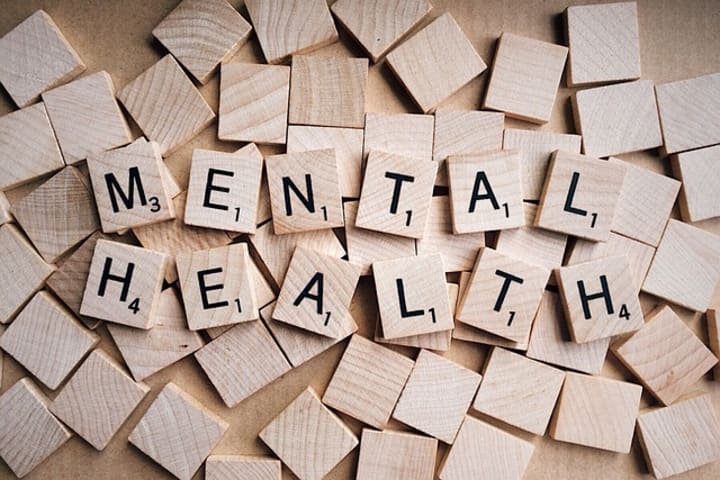
Are drug users more affected?
Individuals who engage in drug use can be more vulnerable to mental health challenges for several reasons:
1. Substance-induced mental health issues: Drug use, particularly when abused or used chronically, can lead to substance-induced mental health disorders. These are conditions directly caused by the effects of drugs on the brain and can include anxiety disorders, depression, psychosis, and cognitive impairments. Substance-induced mental health issues may persist even after drug use has ceased.
2. Co-occurring mental health disorders: Drug use and mental health disorders often coexist. Many individuals turn to drugs as a way to cope with or self-medicate symptoms of pre-existing mental health conditions such as anxiety, depression, or post-traumatic stress disorder (PTSD). Conversely, drug use can exacerbate or trigger the onset of mental health problems in individuals who were previously unaffected.
3. Disruption of brain chemistry: Substance abuse can disrupt the normal functioning of neurotransmitters in the brain, affecting mood, cognition, and behavior. Prolonged drug use can lead to imbalances in brain chemistry, which can contribute to mental health issues.
4. Social and environmental factors: Drug use can often be associated with social and environmental factors that contribute to mental health challenges. These may include a lack of social support, strained relationships, financial difficulties, legal problems, and exposure to high-risk environments. These stressors can further exacerbate mental health issues or hinder access to appropriate support and treatment.
5. Withdrawal symptoms: When individuals who are dependent on drugs attempt to quit or reduce their drug use, they may experience withdrawal symptoms. These symptoms can include anxiety, depression, irritability, and mood swings, which can have a significant impact on mental well-being.
It is important to note that while drug use can increase the risk of mental health problems, not all drug users will experience mental health issues, and not all individuals with mental health issues engage in drug use. The relationship between drug use and mental health is complex and multifaceted, and individual experiences can vary greatly.
If you or someone you know is struggling with drug use or mental health concerns, seeking professional help from healthcare providers, addiction specialists, or mental health professionals is recommended. They can provide appropriate assessment, support, and treatment options tailored to the individual's needs.
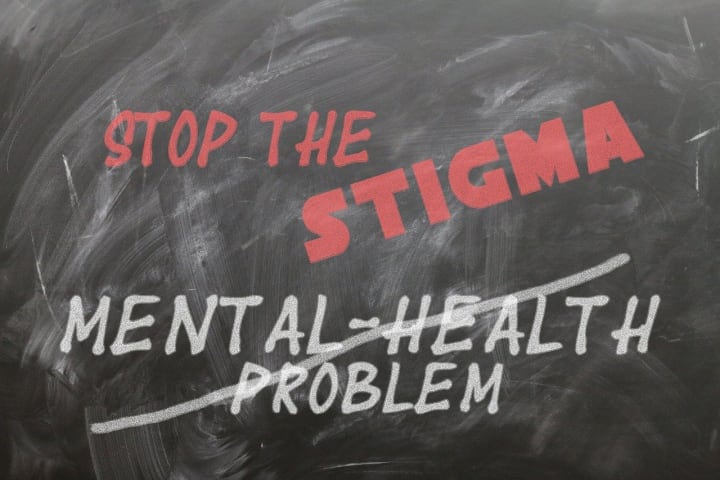
What are we doing to protect each other from this stigma?
Efforts to combat the stigma surrounding mental health and substance use disorders have increased in recent years. Here are some of the actions being taken to protect individuals from stigma:
1. Education and Awareness: Promoting mental health literacy and raising awareness about mental health conditions and substance use disorders are crucial in reducing stigma. Educational campaigns, public service announcements, and community programs aim to provide accurate information, challenge misconceptions, and encourage empathy and understanding.
2. Advocacy and Policy Changes: Advocacy groups and organizations work to advocate for policies that protect the rights of individuals with mental health conditions and substance use disorders. These efforts focus on combating discrimination, ensuring access to mental health services, and promoting inclusive environments.
3. Public Figures and Celebrities Speaking Out: Prominent individuals, including public figures and celebrities, openly sharing their personal experiences with mental health challenges have helped reduce stigma by fostering open conversations and encouraging others to seek help without fear of judgment.
4. Anti-Stigma Campaigns: Numerous campaigns and initiatives aim to combat stigma through various mediums, including social media, print media, and community events. These campaigns seek to challenge stereotypes, encourage empathy, and promote acceptance of individuals with mental health conditions.
5. Support Groups and Peer Networks: Support groups and peer networks provide safe spaces for individuals to share their experiences, seek support, and find solidarity. These groups offer to understand, reduce isolation, and counteract feelings of shame or judgment.
6. Media Representation: Encouraging accurate and compassionate portrayals of mental health in the media can help break down stereotypes and misconceptions. Increased representation of diverse individuals with mental health conditions in movies, TV shows, and other media forms can contribute to more realistic and empathetic depictions.
7. Workplace Initiatives: Many organizations are implementing workplace mental health programs to address stigma and promote a supportive environment. These initiatives include employee education, training for managers and supervisors, and establishing confidential channels for seeking mental health support.
8. Encouraging Help-Seeking Behavior: Encouraging individuals to seek help for mental health concerns and substance use disorders is essential. Promoting the understanding that seeking help is a sign of strength and resilience helps combat the fear and shame associated with reaching out for support.
9. Personal Stories and Testimonials: Sharing personal stories of recovery, resilience, and mental health journeys can be powerful in reducing stigma. It humanizes the experiences of individuals with mental health conditions, showcasing their strength and inspiring others to seek help and support.
10. Community Support and Integration: Fostering supportive communities that embrace and include individuals with mental health conditions is crucial in reducing stigma. By encouraging social connections, understanding, and acceptance, communities can provide a supportive environment that promotes mental well-being.
These efforts collectively work toward reducing stigma and creating a more compassionate and inclusive society for individuals with mental health conditions and substance use disorders. It requires a collective commitment from individuals, communities, organizations, and policymakers to challenge stigmatizing attitudes and create an environment that supports mental health and well-being.
About the Creator
County Proud
County Proud
Our mission is to enhance the experience by creating thoughtful yet provoking content for auction. Reading will stimulate and expand your mind into everyday life.
Try to Subscribe, like something you’re striving for, Cheers!
Keep reading
More stories from County Proud and writers in Earth and other communities.
True Happiness
On a sturdy apple tree, a mother dove lived peacefully with her tiny baby. The tree provided them with shelter, shade, and a sense of security. Every day, the mother dove would watch over her little one, teaching it to flap its wings, coo softly, and enjoy the calm of the natural world. Life had been simple, quiet, and safe for them, and she felt content in the little world that belonged entirely to her and her chick.
By Sudais Zakwan5 days ago in Earth
Take a Roundtrip to Hell and Back
The Acheron River in Greece got its name from a river in Greek mythology located in the underworld of Hades and associated with woes and pain. The river flows through the region of Epirus in northwestern Greece and flows into the Ionian Sea at Ammoudia.
By Rasma Raisters5 days ago in Earth




Comments
There are no comments for this story
Be the first to respond and start the conversation.