
How to Make Carbonized Rice Hull with Modern Machine
A Step-by-Step Guide
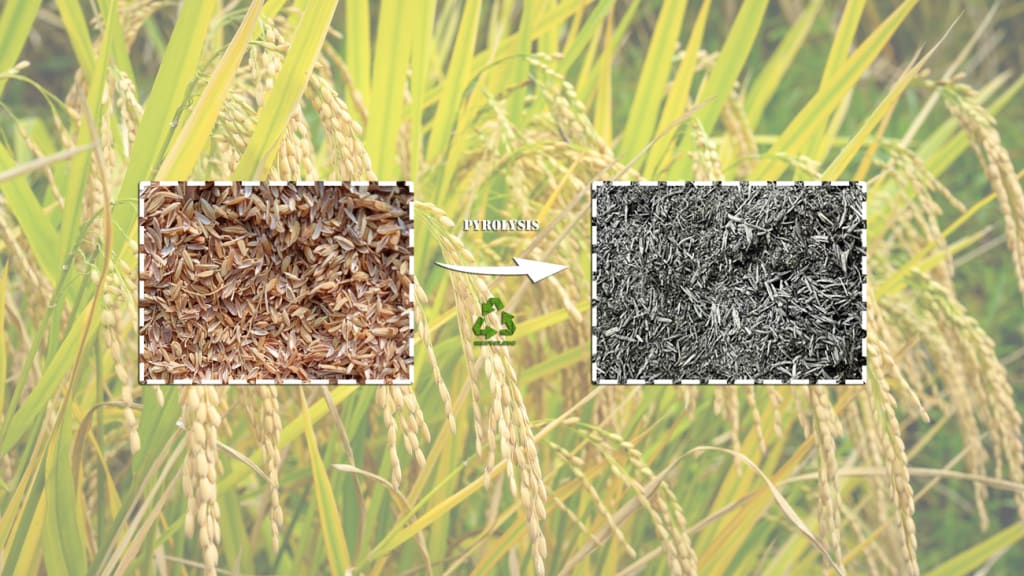
Carbonized rice hull (CRH) is a valuable byproduct of rice production with multiple applications, including soil improvement, water filtration, and as an eco-friendly fuel source. The process of making carbonized rice hulls is straightforward, environmentally friendly, and economical. This guide explains the steps involved, the required materials, and the benefits of carbonizing rice hulls.
What is Carbonized Rice Hull?
Carbonized rice hull is produced through a process called pyrolysis, where rice hulls are burned in a controlled, low-oxygen environment. This partial combustion prevents the complete conversion of rice hulls to ash and instead transforms them into a lightweight, porous, and carbon-rich material.
Uses and Benefits of Carbonized Rice Hull
- Soil Enhancement: CRH improves soil aeration, water retention, and drainage. It acts as a natural soil conditioner, enhancing microbial activity.
- Waste Management: The process reduces agricultural waste by repurposing rice hulls.
- Eco-Friendly Fuel: CRH serves as a clean-burning fuel source.
- Water Filtration: Its porous structure makes it ideal for filtering impurities from water.
Materials and Tools Needed
- Rice Hulls: Sufficient quantity of dry rice hulls.
- Kiln or Carbonization Drum: A drum or kiln designed for low-oxygen combustion.
- Heat Source: Firewood, charcoal, or other combustible materials.
- Shovel or Tongs: For handling hot materials.
- Water Source: To extinguish the fire if necessary.
Step-by-Step Guide to Making Carbonized Rice Hull
1. Prepare the Kiln or Carbonization Drum
Choose a heat-resistant container, such as a metal drum, with small ventilation holes at the bottom.
Ensure the drum has a lid to control the oxygen flow during the process.
2. Fill the Drum with Rice Hulls
Load the drum with rice hulls, leaving enough space at the top for airflow.
Avoid overpacking to ensure even carbonization.
3. Start the Combustion Process
Ignite the rice hulls using a heat source.
Allow the fire to spread evenly across the surface.
Place the lid on the drum, leaving small openings to limit oxygen flow.
4. Monitor the Pyrolysis Process
Observe the pyrolysis process of rice hull carbonizer to ensure the hulls do not turn to ash.
The hulls will turn black and emit minimal smoke, indicating successful carbonization.
5. Cool and Collect the Carbonized Rice Hulls
Once the desired level of carbonization is achieved (usually within 30-60 minutes), extinguish the fire by closing the drum entirely or sprinkling water.
Let the CRH cool completely before handling.
Best Practices for Quality Carbonized Rice Hulls
- Control Oxygen Levels: Ensure the environment inside the kiln is low in oxygen to prevent full combustion.
- Use Dry Rice Hulls: Moisture can hinder the carbonization process.
- Monitor Temperature: Avoid overheating, which can result in ash formation.
Applications of Carbonized Rice Hull
In Agriculture: RH is often mixed with compost to enhance its nutrient content. It can also be used as a mulch to retain soil moisture.
In Industry: Utilized in biochar production, CRH serves as a lightweight alternative to other carbon sources. It is also employed in construction materials like lightweight bricks and insulating panels.
In Energy: CRH can be compacted into briquettes and used as a sustainable fuel for cooking or heating.
Conclusion
Producing carbonized rice hulls is a simple yet impactful way to add value to agricultural byproducts. Whether used for soil improvement, as a fuel source, or in industrial applications, CRH exemplifies the principles of sustainability and resource efficiency. By adopting this process, individuals and communities can contribute to waste reduction and environmental preservation while gaining access to a versatile material.
About the Creator
The Zo ne of Silence: America’s Enigmatic Corner Where Laws and Logic Vanish
Deep within the rugged, breathtaking wilderness of Yellowstone National Park lies a geographical oddity so unsettling that it sounds like the plot of a legal thriller. Known to scholars and conspiracy theorists alike as the **"Zone of Death,"** this 50-mile stretch of land represents a terrifying glitch in the American judicial system—a place where, theoretically, a person could commit a major crime and walk away a free man.
By Irshad Abbasi a day ago in Earth




Comments
There are no comments for this story
Be the first to respond and start the conversation.