
How to Help Protect Endangered Species
Practical Steps and Strategies for Preserving Our Planet's Most Vulnerable Species

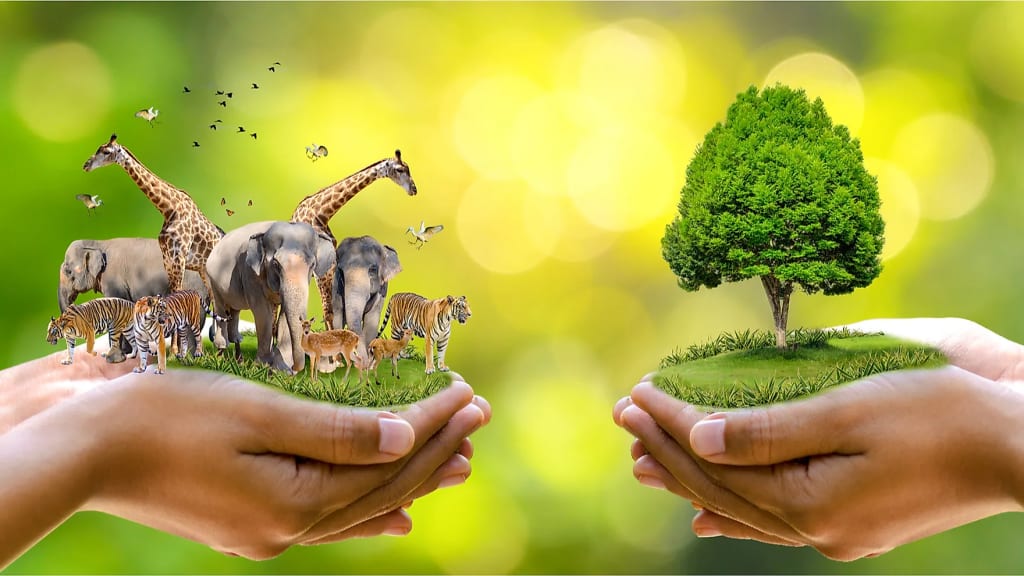
Endangered species are a crucial part of our planet's biodiversity, and their protection is a responsibility we all share. These species, whether animals or plants, are at risk of extinction due to factors like habitat loss, poaching, climate change, and pollution. When a species becomes endangered, it is not just an isolated event; it has broader implications for the environment and the ecosystems that depend on these species for balance.
Protecting endangered species is vital not only for the survival of these species but also for the health and stability of our ecosystems. There are several ways that individuals, communities, and governments can contribute to protecting these vulnerable species.
One of the most significant ways to help protect endangered species is by supporting and creating conservation efforts. Conservation programs can focus on protecting habitats, reducing poaching, or working to restore populations of species. Many wildlife reserves and national parks are dedicated to preserving endangered species. These protected areas offer a safe haven for animals and plants that might otherwise be at risk in the wild.
By visiting and supporting these parks, people can contribute to the funding and efforts required to maintain these reserves. Financial donations to organizations dedicated to species conservation can also play a key role in these efforts, allowing for research, fieldwork, and environmental education.
Another essential approach to protecting endangered species is habitat preservation. Many species face the threat of habitat destruction due to urbanization, deforestation, agricultural expansion, and mining. As human activity continues to encroach on the natural environment, these habitats become fragmented or disappear entirely. Protecting these habitats means safeguarding the natural areas where species live and ensuring they have the space they need to survive.
In many cases, reforestation and habitat restoration programs are crucial to rebuilding areas that have been damaged by human activity. Planting trees, restoring wetlands, and creating green corridors that connect fragmented habitats can help provide the necessary resources for wildlife to thrive.
In addition to habitat preservation, reducing human impact on the environment is a critical factor in protecting endangered species. Pollution, climate change, and deforestation are significant contributors to the endangerment of many species. Plastic pollution, for example, has had a devastating effect on marine life, with sea turtles, whales, and birds ingesting or becoming entangled in plastic debris.
Reducing plastic waste, recycling, and using eco-friendly products can reduce the amount of waste entering ecosystems. Additionally, reducing carbon emissions through the use of clean energy, improving public transportation, and supporting sustainable practices in agriculture and industry can help mitigate the effects of climate change, which has been linked to shifts in species populations and behaviors.
Supporting ethical wildlife trade policies is another way to help protect endangered species. Poaching and illegal wildlife trade have been major drivers of species decline. Many animals are hunted for their fur, horns, tusks, or other body parts, while plants are harvested for medicinal or ornamental purposes. This illegal trade is often driven by demand in various markets, making it important to address both the supply and demand side of the problem.
Governments and organizations around the world are working to strengthen laws and enforcement to curb illegal wildlife trade, but individuals can also contribute by not supporting or purchasing products made from endangered species. Being aware of where and how products are sourced can help reduce the demand for items that contribute to poaching.
Education and awareness are essential components in the effort to protect endangered species. By educating the public about the importance of biodiversity and the specific threats faced by endangered species, we can foster a greater sense of responsibility and stewardship for the environment. Schools, community organizations, and media outlets can play a key role in raising awareness and advocating for change.
People can also learn about the endangered species in their local areas and participate in citizen science projects that monitor populations and ecosystems. Promoting sustainable practices, such as reducing water and energy usage, supporting local food sources, and minimizing waste, can also help alleviate some of the pressures that lead to species endangerment.
In some cases, direct action may be necessary to prevent the extinction of a particular species. Efforts like captive breeding programs and species reintroduction initiatives have been successful in saving species on the brink of extinction.
Captive breeding involves breeding endangered species in controlled environments, such as zoos or breeding centers, with the goal of increasing their population. Once the species has reached a viable population size, they may be reintroduced into their natural habitats.
While these programs are essential for the survival of some species, they are often costly and resource-intensive, and they are not a substitute for protecting species in their natural environments. Reintroducing species to the wild also requires careful planning to ensure that the species can thrive once returned to their native habitat.
Another strategy to protect endangered species is through legislative action. Governments have a critical role to play in species conservation by implementing and enforcing laws that protect wildlife. The establishment of national parks, wildlife reserves, and protected areas is one way that governments can safeguard habitats. Additionally, international agreements like the Convention on International Trade in Endangered Species (CITES) help regulate the trade of endangered species and their parts across borders.
Governments can also pass laws to regulate hunting, limit habitat destruction, and create incentives for private landowners to participate in conservation efforts. Voting for policies and leaders who prioritize environmental protection can also ensure that the issue of endangered species remains on the political agenda.
Individual actions, though seemingly small, can collectively make a significant difference in the effort to protect endangered species. People can reduce their carbon footprint by driving less, using less plastic, and choosing products with sustainable packaging.
Supporting eco-friendly businesses and purchasing responsibly sourced goods also helps to promote sustainability. Volunteer work with conservation organizations, such as wildlife monitoring, tree planting, or participating in clean-up events, is another way to get involved. By spreading awareness and educating others about the importance of endangered species, individuals can create a ripple effect, inspiring others to take action as well.

In conclusion, the protection of endangered species requires a multifaceted approach that involves governments, organizations, and individuals working together.
Conservation efforts, habitat protection, sustainable practices, and ethical trade policies are all critical components in this ongoing effort. Through education, awareness, and direct action, we can all contribute to the survival of endangered species and ensure a healthier, more balanced planet for future generations.
About the Creator
Nora Ariana
Empowering through stories and sound igniting purpose, sparking growth, and awakening the power within.
Keep reading
More stories from Nora Ariana and writers in Earth and other communities.
A goal is a dream with a deadline
A goal is a dream with a deadline. This powerful quote reminds us that without action, dreams remain just that wishes floating in our imagination. But when we set a timeline and commit to achieving them, they evolve into goals, bringing clarity, direction, and purpose. Many people go through life holding on to dreams, hoping they will come true someday. But someday is not a day on the calendar. Dreams without structure often fade with time or get buried under the weight of daily responsibilities. Turning a dream into a goal is what separates those who achieve from those who continue to wish.
By Nora ArianaExclusive • 10 months ago
Kidnapping Victims Forced to Send Disturbing Videos to Relative, Say Spanish Police
Spanish police are investigating a disturbing kidnapping case after two men allegedly sent videos to a relative showing one of them bloodied and being threatened with a knife. According to authorities, the footage was intended to pressure the family, raising concerns about organized criminal tactics and the growing use of digital intimidation.
By Aarif Lashari7 days ago in Earth
A More Human Vocal
When we launched Vocal nearly a decade ago, the world was a very different place. LLMs did not exist, and stories were created one at a time by people sitting down to write, revise, and share something personal. Many of our assumptions about publishing, trust, and participation were built for a world where effort and output were inseparable.
By Justin @ Vocala day ago in Resources



Comments (1)
I love protecting endangered species! Great work