
HOW TO GROW TREE PLANTATION
READ THIS ARTICLE TO HELP TREE PLANTATION


Choose the right location: Select a site that has well-drained soil, adequate sunlight, and enough space for the trees to grow.
Select the right species: Choose tree species that are native to your area and are suitable for the climate and soil conditions.
Prepare the soil: Test the soil for pH and nutrient levels and amend as needed. Clear the area of any debris or weeds.
Plant the trees: Dig holes that are twice as wide as the root ball and just as deep. Place the tree in the hole and backfill with soil.
Water and fertilize: Water the trees regularly and fertilize as needed.
Protect the trees: Use mulch to retain moisture and suppress weeds. Protect the young trees from animals and harsh weather conditions.
Monitor and maintain: Regularly check for pests and diseases, prune as necessary, and control weeds.
Plan for the future: Consider the mature size of the trees you are planting and make sure they have enough space to grow without crowding each other.
Plant in the right season: Trees should be planted at the right time of the year to ensure they have the best chance of survival. For example, in many regions, spring is the best time to plant trees as the soil is warm and moist.
Use proper techniques: When planting, make sure the trees are planted at the correct depth, with the root flare (the base of the trunk) at ground level. This will ensure the tree is anchored properly and has enough room for the roots to grow.
Diversify the plantation: Diversifying the tree species in your plantation will help to protect it from disease and pests, which can be especially harmful if the plantation is made up of a single species.
Get professional help: If you are planting a large area or are unsure about any aspect of the process, consider hiring a professional arborist or forester to help you plan and implement your tree plantation.
Maintenance: Tree plantation needs regular monitoring and maintenance like proper pruning, fertilization, pest and disease control, irrigation and other cultural practices.
Monitor for pests and diseases: Regularly inspect the trees for signs of pests or diseases and take action as needed. This may include treating the trees with pesticides or fungicides, or removing infected trees.
Prune the trees: Proper pruning is important to maintain the health and structure of the trees. Prune to remove dead or diseased wood, and to shape the trees to promote strong branching and growth.
Fertilize as needed: Trees may require additional nutrients to grow strong and healthy. Consult with a professional or do a soil test to determine if fertilization is needed.
Control weeds: Weeds can compete with your trees for water and nutrients, so it's important to keep them under control. This can be done through manual removal, mulching, or using herbicides.
Irrigation: Adequate watering is essential for tree plantation. During the initial years, young trees need more water as compared to mature trees. Drought or water stress can lead to tree death.
Regular monitoring: Regularly monitor the plantation to check the growth and overall health of the trees. Make note of any issues that arise and take action as needed.
Proper disposal of waste: Proper disposal of waste is important to keep the environment clean and maintain the overall health of the plantation.
Keep records: Keep records of the trees you planted, including the species, location, and any maintenance done. This will help you to track the progress of the plantation over time and make informed decisions about future management.
Use proper equipment: Use the correct tools and equipment when maintaining the plantation. This will make the work easier and help to minimize damage to the trees.
Use best practices: Follow recommended industry standards and best practices for tree care and maintenance. This will ensure that your plantation is managed in a sustainable and efficient manner.
Be aware of local laws and regulations: Be aware of any local laws and regulations related to tree planting, care, and maintenance. This may include permits, zoning laws, and restrictions on the use of pesticides or fertilizers.
Read complete article and grow tree plantation
this is basic article for tree plantation
THANKS FOR READ THE ARTICLE
About the Creator
Ashok prajapati
I LOVE TO WRITE STORIES
Keep reading
More stories from writers in Earth and other communities.
The timing of Earth's ice ages may be influenced by Mars.
According to recent calculations, Mars may influence the date of ice ages by helping to establish a 2.4 million-year rhythm in Earth's orbit. Recently, researchers investigated the possibility of a tiny planet leaving a discernible imprint in long-term climate records.
By Francis Dami6 days ago in Earth
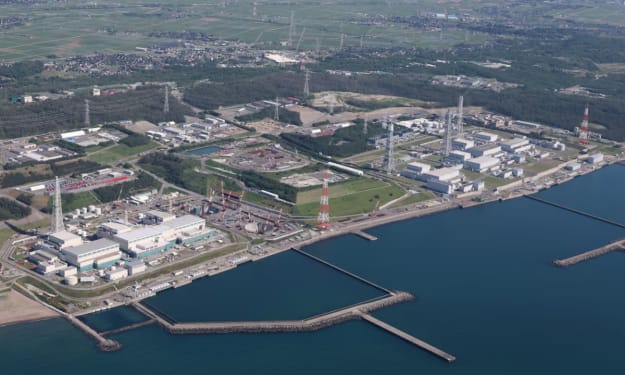
15 Years After Fukushima, Japan Prepares to Restart the World’s Biggest Nuclear Plant
Fifteen years after the catastrophic Fukushima disaster, Japan is preparing to restart the world’s largest nuclear power plant. The decision marks a significant turning point in the country’s energy policy, reflecting both the urgent need for stable energy sources and the ongoing concerns about safety, environmental impact, and public trust. The move underscores Japan’s complex relationship with nuclear energy—a technology that has fueled the nation’s economic growth but also caused one of the worst nuclear disasters in history. The Fukushima Legacy In March 2011, a massive earthquake and tsunami triggered a meltdown at the Fukushima Daiichi Nuclear Power Plant, releasing radioactive material and forcing the evacuation of tens of thousands of residents. The disaster exposed flaws in safety regulations and emergency preparedness, reshaping public perception of nuclear energy in Japan and around the world. Following the incident, Japan shut down nearly all its nuclear reactors, relying heavily on imported fossil fuels to meet energy demand. The decision led to increased energy costs and heightened greenhouse gas emissions, creating pressure to diversify energy sources. Why Japan is Restarting Nuclear Reactors The restart of nuclear plants, including the world’s largest facility, is driven by several factors: Energy Security: Japan imports over 90% of its energy needs. Restarting nuclear plants reduces dependence on foreign fossil fuels and helps stabilize electricity supply. Climate Goals: Nuclear power generates electricity with minimal carbon emissions. As Japan commits to reducing greenhouse gases, nuclear energy offers a low-carbon alternative to coal and natural gas. Economic Considerations: Importing fossil fuels is expensive. Nuclear energy provides a relatively cheaper source of electricity in the long term, helping households and industries manage costs. The government emphasizes that advanced safety measures and rigorous inspections are in place, aiming to restore public confidence and prevent another disaster. Safety Measures and Upgrades Since 2011, Japan has invested heavily in upgrading nuclear infrastructure. Lessons from Fukushima have led to stricter regulations and improved disaster preparedness: Reinforced Reactor Buildings: Structures are now designed to withstand larger earthquakes and tsunamis. Advanced Cooling Systems: Redundant and automated cooling systems reduce the risk of overheating. Emergency Response Planning: Local governments and plant operators coordinate evacuation drills and disaster simulations. Regulatory Oversight: Japan’s Nuclear Regulation Authority (NRA) conducts independent inspections to ensure compliance with safety standards. Despite these measures, skepticism remains. Many citizens fear that no system can fully eliminate the risks associated with nuclear power, especially given the unpredictable nature of natural disasters in Japan. Public Opinion and Controversy The decision to restart the world’s biggest nuclear plant has sparked debate across Japanese society. Supporters argue that nuclear energy is essential for economic stability, energy security, and climate goals. They point out that without nuclear power, Japan would struggle to meet rising electricity demand and climate commitments. Opponents, however, raise concerns about safety, environmental impact, and long-term waste management. Memories of Fukushima remain vivid, and surveys indicate that a significant portion of the population is uneasy about returning to nuclear energy. Local communities near nuclear plants have voiced particular concern, fearing potential accidents and contamination. Economic and Energy Implications Restarting nuclear plants could have broad economic benefits. Stable electricity supply reduces the risk of blackouts, supports industrial activity, and helps control electricity prices for households. From an energy policy perspective, nuclear power allows Japan to balance its energy mix more sustainably. It complements renewable sources like solar and wind, which can fluctuate depending on weather conditions. Nuclear plants provide a steady “baseload” supply that renewables alone cannot guarantee. However, challenges remain: the disposal of radioactive waste, decommissioning older plants, and ensuring consistent regulatory oversight are all long-term concerns that Japan must address to maintain credibility and safety. Global Perspective Japan’s decision is being watched closely worldwide. The Fukushima disaster reshaped global nuclear policy, leading countries like Germany to phase out nuclear energy while others, including China and South Korea, continue to invest in it. Restarting the world’s largest nuclear plant sends a signal about Japan’s commitment to energy self-sufficiency and low-carbon power. It also raises questions about how other nations handle the balance between energy security and safety, especially as climate change increases the urgency for reliable, low-emission energy sources. Lessons Learned Fifteen years after Fukushima, Japan’s experience provides key lessons for the global community: Preparedness is Crucial: Robust safety standards and disaster response systems are essential for operating nuclear plants in seismically active regions. Public Trust Matters: Long-term energy policy must consider public perception and involve communities in decision-making. Diversified Energy Strategy: Nuclear power should be part of a broader energy mix, complemented by renewables to reduce risk and emissions. Continuous Oversight: Independent regulatory bodies and transparent operations are critical for maintaining safety and credibility. These lessons are not only relevant for Japan but also for any country considering nuclear power as part of its energy transition strategy. Conclusion The restart of Japan’s largest nuclear plant, fifteen years after the Fukushima disaster, represents both hope and caution. It promises more stable energy, lower carbon emissions, and economic benefits. At the same time, it reminds the world of the inherent risks of nuclear power and the need for rigorous safety, transparent governance, and public engagement. Japan’s journey reflects a broader challenge faced by many nations: how to meet growing energy demand and climate goals while ensuring safety, sustainability, and public trust. The coming years will reveal whether this bold step strengthens Japan’s energy future or reignites debate over the role of nuclear power in a post-Fukushima era.
By Muhammad Hassan2 days ago in Earth



Comments
There are no comments for this story
Be the first to respond and start the conversation.