
How to control water pollution?
Effective Strategies to Control Water Pollution
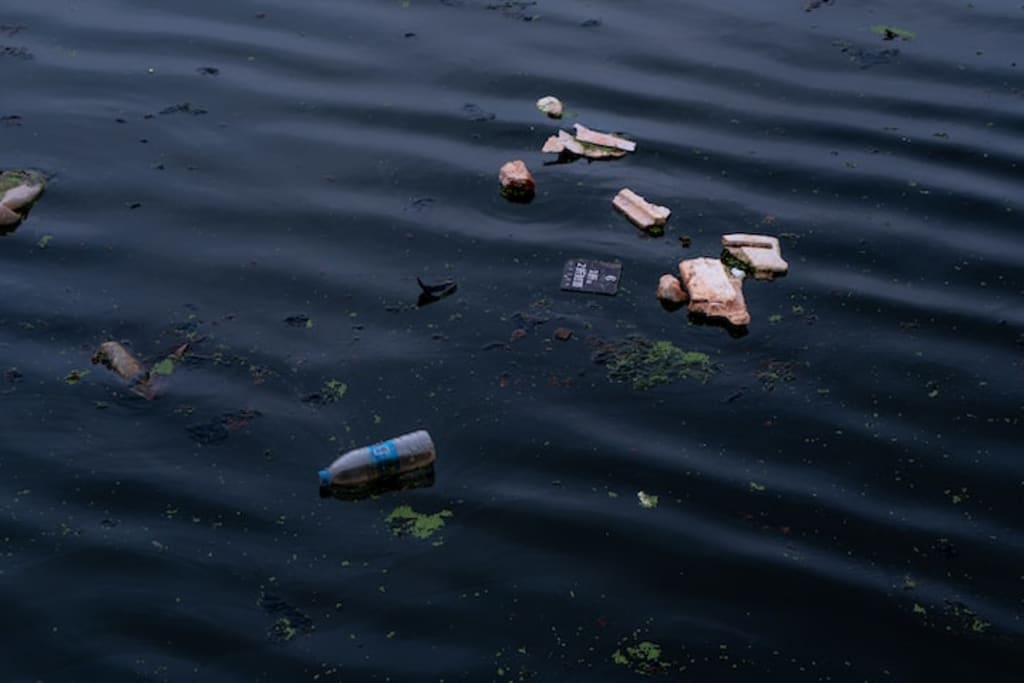
Water pollution remains one of the most pressing environmental challenges facing our planet today. The degradation of water quality not only threatens aquatic ecosystems but also poses severe risks to human health and livelihoods. Fortunately, there are various measures that individuals, communities, and governments can take to control water pollution and safeguard this precious resource. By implementing effective strategies, we can collectively work towards ensuring clean and sustainable water sources for future generations.
Strengthening Regulatory Frameworks:
The first step in controlling water pollution is to establish and enforce strong regulatory frameworks. Governments must implement and regularly update laws and regulations concerning water quality standards, industrial discharge, agricultural runoff, and municipal waste disposal. Monitoring and strict enforcement of these regulations are vital to deter polluters and hold them accountable for their actions.
Wastewater Treatment:
Improper disposal of wastewater from industries and sewage systems is a significant contributor to water pollution. Implementing advanced wastewater treatment technologies can significantly reduce the levels of harmful pollutants before releasing the water back into natural water bodies. Investing in modern wastewater treatment facilities and encouraging industries to adopt responsible practices can make a significant difference in controlling water pollution.
Promoting Sustainable Agriculture:
Agricultural activities are another major source of water pollution, primarily due to the runoff of fertilizers and pesticides into water bodies. Promoting sustainable agricultural practices, such as precision farming, crop rotation, and agroforestry, can minimize the use of harmful chemicals and reduce agricultural runoff, protecting both surface and groundwater resources.
Managing Urban Runoff:
Urban areas are notorious for generating substantial amounts of runoff, which carries pollutants such as oil, heavy metals, and litter into nearby water bodies. Implementing green infrastructure, such as permeable pavements, rain gardens, and bioswales, can help manage urban runoff by absorbing and filtering water before it reaches waterways.
Encouraging Public Awareness and Education:
Raising public awareness about water pollution and its consequences is crucial to fostering a sense of responsibility among individuals. Educational campaigns and community outreach programs can empower people to adopt water-friendly habits, such as proper waste disposal, water conservation, and limiting the use of harmful chemicals in households.
Preserving Riparian Zones:
Riparian zones, the buffer areas along rivers and streams, play a critical role in filtering pollutants and preventing erosion. Protecting and restoring these areas by planting native vegetation helps stabilize riverbanks, reduce sediment runoff, and provide habitats for wildlife.
Supporting Research and Innovation:
Investing in research and innovation is essential to developing advanced technologies and strategies for water pollution control. Governments, academia, and the private sector should collaborate to find sustainable solutions, such as emerging treatment methods, monitoring technologies, and pollution prevention measures.
Encouraging Corporate Responsibility:
Businesses have a crucial role to play in controlling water pollution. Encouraging corporate responsibility through sustainable practices, waste reduction, and responsible sourcing can significantly reduce their impact on water quality.
Conclusion:
Controlling water pollution requires a collective effort from individuals, communities, governments, and industries. By implementing strong regulatory frameworks, promoting sustainable practices, and fostering public awareness, we can make significant strides in preserving water quality. Protecting our water resources is not only vital for the health of aquatic ecosystems but also for ensuring a sustainable and healthy future for all living beings that depend on this precious resource. Through conscious actions and a commitment to preserving water quality, we can pave the way for a cleaner, greener, and more resilient planet.
About the Creator
jack webster
Just an enthusiastic, sharin new ideas on different fields and subjects
Keep reading
More stories from jack webster and writers in Earth and other communities.
How will recycling help us?
Introduction: Recycling has become a pivotal aspect of our modern society as environmental concerns and resource depletion continue to mount. With a growing global population and increasing consumption, the need to embrace recycling practices has never been more urgent. Recycling offers a myriad of benefits that extend far beyond simply reusing materials. From conserving natural resources and reducing pollution to fostering a culture of sustainability, recycling serves as a powerful tool to shape a better and more prosperous future for all of us.
By jack webster2 years ago in Earth
Chinese Planetary Engineering: The Great Green Wall and the Reclamation of Climate
There are junctures in history where a civilization no longer chooses between comfort and progress, but between adaptation and extinction. At the dawn of the new millennium, China hit one of those silent thresholds where geography ceases to be a backdrop and becomes an adversary. The desert was advancing, not as a metaphor for decay, but as a physical, methodical, and relentless force. Sand was devouring the horizon, winds grew heavy with dust, and the soil lost its fertile memory, taking with it the promise of social stability.
By Laurenceau Porte6 days ago in Earth
US Warns Airlines About Military Activity in Parts of Latin America
Commercial aviation is built on predictability—clearly defined airspace, coordinated air traffic control, and shared international rules. When that predictability is disrupted, even subtly, the ripple effects can stretch far beyond the cockpit. That is exactly why a recent warning from the United States has caught the attention of airlines, governments, and travelers alike. In early 2026, US aviation authorities issued an advisory warning airlines about military activity in parts of Latin America, urging pilots to exercise heightened caution when flying over certain regions. While no immediate restrictions or flight bans were imposed, the message itself was clear: something in the skies has changed, and the risks—however limited—can no longer be ignored. This development is not just about aviation safety. It reflects a growing intersection between geopolitics, military operations, and civilian infrastructure in a region that has long balanced cooperation with tension. What Exactly Did the US Warn About? The advisory, released through official aviation safety channels, highlighted concerns over potential military activity affecting airspace across parts of Mexico, Central America, South America, and nearby oceanic regions. Airlines were advised to remain vigilant during all phases of flight, including cruising at high altitudes, takeoff, and landing. Unlike routine notices related to weather systems or airport congestion, this warning explicitly referenced security-related risks. These include the possibility of unexpected military movements, temporary airspace disruptions, and interference with navigation systems that modern aircraft rely on for safe operations. Importantly, the warning did not accuse any specific country of wrongdoing, nor did it suggest an immediate danger to passengers. Instead, it served as a precaution—one designed to ensure airlines adjust flight planning, monitoring, and communication protocols accordingly. Why Military Activity Matters to Civil Aviation To the average traveler, military exercises or operations may seem distant from the experience of flying on a commercial jet. In reality, the two worlds often share the same skies. Civilian aircraft depend heavily on satellite navigation, coordinated air traffic control, and stable airspace rules. Military operations—especially those involving fast-moving aircraft, surveillance systems, or electronic equipment—can introduce uncertainty into that environment. Some of the key risks aviation authorities monitor include: Unplanned military aircraft movements that may not follow civilian flight patterns Temporary airspace closures or restrictions that require last-minute rerouting Navigation signal disruptions, whether accidental or intentional Increased congestion in strategic corridors used by both civilian and military flights While these risks are typically managed through coordination and communication, heightened military activity raises the stakes. The FAA’s advisory suggests that such activity has reached a level where additional caution is warranted. The Geopolitical Context Behind the Warning The timing of the advisory is not accidental. Latin America has seen a noticeable rise in security operations and military coordination involving the United States over the past year. These efforts are largely focused on counter-narcotics missions, maritime security, and regional stability, particularly in areas with strategic shipping routes or ongoing political tension. At the same time, broader global dynamics—ranging from great-power competition to shifting alliances—have increased the strategic importance of air and sea routes across the Western Hemisphere. From Washington’s perspective, issuing an aviation warning is not about alarmism. It is about acknowledging that military and security activities in the region may temporarily affect civilian systems, including aviation. How Airlines Are Responding For airlines, advisories like this are not unusual—but they are taken seriously. Most major carriers already operate with layered safety systems that allow them to respond quickly to changing conditions. In practical terms, this warning may lead to: Slight route adjustments to avoid specific airspace Enhanced pilot briefings before flights Increased coordination with air traffic controllers Closer monitoring of navigation and communication systems So far, there have been no widespread flight cancellations or suspensions linked directly to the warning. That suggests airlines view the risk as manageable, provided proper precautions are followed. Reactions from Latin American Governments Some governments in the region have been quick to reassure the public. Officials have emphasized that their national airspace remains safe and fully operational, and that civilian flights continue without disruption. This response highlights an important tension: while the US warning is precautionary, it can still affect public perception. Tourism, business travel, and investor confidence are all sensitive to suggestions of instability—even when no immediate danger exists. As a result, many countries are walking a careful line between cooperating on aviation safety and defending their reputation for stability. What This Means for Passengers For travelers, the key takeaway is simple: commercial aviation remains safe. Warnings like this are designed to prevent incidents, not predict them. Passengers flying through or over affected regions may experience slightly longer flight times or minor schedule adjustments, but there is no indication of increased danger to civilian aircraft. In fact, the existence of such advisories demonstrates how seriously aviation authorities take even low-probability risks. A Sign of a More Complex World The US warning to airlines is a reminder that modern air travel does not exist in a vacuum. As military operations, security concerns, and geopolitical rivalries evolve, civilian systems—from shipping lanes to flight paths—are increasingly affected. This moment underscores a broader reality: the skies are becoming more crowded, more contested, and more interconnected with global politics. Managing that complexity will require continued transparency, cooperation, and vigilance from governments, regulators, and airlines alike. For now, planes continue to fly, passengers continue to travel, and the system continues to work. But behind the scenes, aviation authorities are quietly adjusting to a world where safety is shaped not just by weather and mechanics—but by geopolitics as well.
By Muhammad Hassan2 days ago in Earth




Comments
There are no comments for this story
Be the first to respond and start the conversation.