
How Small Changes in Your Daily Routine Can Make a Big Environmental Impact
Let's Accept Changes Before Changes Change Us

With the climate crisis growing more urgent every day, it can sometimes feel overwhelming to think about the changes needed to make a positive impact. However, the truth is that small adjustments in your daily routine can create significant environmental benefits over time. By making simple, sustainable choices, you can help reduce your carbon footprint, conserve resources, and inspire others to do the same. Here’s a look at some impactful habits that don’t require big sacrifices but do make a difference.
1. Ditch Single-Use Plastics
One of the simplest ways to reduce waste in your daily routine is to eliminate single-use plastics. From water bottles to grocery bags, these plastics often end up in landfills or the ocean, where they can take hundreds of years to decompose.
Switching to reusable items like stainless steel water bottles, cloth bags, and glass containers can drastically reduce your contribution to plastic waste. Additionally, bring your own containers to cafes or grocery stores that allow it, helping to cut down on disposable packaging.
Keywords: reduce plastic waste, reusable products, sustainable living
Why It Matters: By swapping single-use plastics for reusable items, you’re decreasing your reliance on fossil fuels and preventing plastic pollution in ecosystems.
2. Opt for a Plant-Based Diet or Meatless Days
The food we eat has a huge impact on the environment, particularly when it comes to meat production, which requires vast amounts of land, water, and energy. Adopting a plant-based diet, even part-time, can significantly reduce your carbon footprint.
Consider incorporating “Meatless Mondays” or a few plant-based meals into your weekly routine. This small change saves water, reduces methane emissions from livestock, and lowers demand for resources used in animal agriculture.
Keywords: plant-based diet, reduce carbon footprint, eco-friendly meals
Why It Matters: Reducing meat consumption is one of the most effective ways to cut greenhouse gas emissions, as livestock farming is a major contributor to climate change.
3. Conserve Water Daily
Water is a precious resource, and small conservation efforts can add up over time. Simple habits like turning off the tap while brushing your teeth, taking shorter showers, and fixing leaks in your home can help conserve water.
Another effective habit is to use a dishwasher instead of hand-washing dishes, as it can save up to 100 gallons of water per week when used efficiently. If you’re a gardener, consider installing a rain barrel to collect rainwater for watering plants rather than using tap water.
Keywords: water conservation, save water, sustainable water usage
Why It Matters: Conserving water reduces energy use for water treatment and protects this essential resource for future generations.
4. Reduce Energy Usage in Your Home
Cutting down on electricity usage is one of the easiest ways to reduce your environmental impact. Simple actions like turning off lights when you leave a room, unplugging devices that aren’t in use, and setting your thermostat a few degrees lower in the winter and higher in the summer can all contribute to energy savings.
Consider swapping out traditional incandescent bulbs for energy-efficient LED bulbs, which last longer and consume less power. Investing in energy-efficient appliances can also reduce your household’s energy usage over time.
Keywords: energy-efficient, reduce electricity, sustainable energy
Why It Matters: Lowering energy consumption helps reduce greenhouse gas emissions associated with power generation, contributing to cleaner air and a healthier planet.
5. Use Public Transport, Bike, or Carpool When Possible
Transportation is one of the largest sources of greenhouse gas emissions, particularly from single-occupancy vehicles. Opting to take public transport, bike, walk, or carpool just a few times a week can make a big impact over time.
If you need to drive, consider combining errands into one trip to reduce the time spent on the road. And for those who can, remote work even once or twice a week can help reduce your commute emissions, benefitting both the environment and your work-life balance.
Keywords: reduce transportation emissions, eco-friendly commute, sustainable travel
Why It Matters: By reducing reliance on single-occupancy vehicles, you’re helping to lower CO₂ emissions, reduce air pollution, and ease traffic congestion.
6. Shop Secondhand and Reduce Consumption
In a world that promotes fast fashion and constant consumption, choosing to buy secondhand or opting out of unnecessary purchases is a powerful act of sustainability. Secondhand stores offer a wide range of quality items, from clothing to furniture, that help reduce demand for new products and minimize waste.
Before purchasing new items, consider whether you can repurpose something you already have or buy secondhand. Borrowing or renting items you rarely need can also help you avoid unnecessary purchases and waste.
Keywords: secondhand shopping, reduce consumption, sustainable fashion
Why It Matters: Every time you choose secondhand or avoid an unnecessary purchase, you’re reducing the demand for resources and energy used in production, as well as the waste that ends up in landfills.
7. Recycle Responsibly and Compost
Recycling is an essential part of reducing waste, but not all items can be recycled through traditional curbside programs. Make sure to recycle only what’s allowed in your area and avoid “wish-cycling”—throwing non-recyclable items in the recycling bin and hoping they’ll get sorted. Many areas have specialized recycling centers for electronics, batteries, and textiles.
Composting is another powerful way to reduce waste, diverting food scraps and yard waste from landfills where they would otherwise produce methane. Composting enriches the soil and reduces the need for chemical fertilizers, closing the loop on organic waste.
Keywords: recycling tips, composting benefits, zero waste lifestyle
Why It Matters: Recycling and composting reduce landfill waste, lower methane emissions, and conserve natural resources.
Conclusion: Small Steps, Big Impact
The choices we make daily add up, and while it may feel like small actions are just a drop in the ocean, each sustainable habit has a ripple effect. As more people adopt eco-friendly practices, the demand for sustainable products grows, encouraging companies to follow suit. By making simple adjustments in your routine—whether by conserving water, reducing waste, or embracing a plant-based diet—you’re playing a part in building a greener, more sustainable world.
Every effort counts in the fight against climate change, and collectively, these small changes can help create a big impact. Start small, stay consistent, and remember that your actions inspire others to do the same. Together, we can make a positive difference for the planet, one habit at a time.
About the Creator
Keep reading
More stories from Jacktone Otieno and writers in Earth and other communities.
How Gen Z Is Leading the Fight Against Climate Change
Generation Z, often referred to as the “climate generation,” is stepping up as a force to be reckoned with in the battle against climate change. Born between the late 1990s and early 2010s, Gen Z is a generation that has grown up with the stark realities of global warming, natural disasters, and ecological loss. While many adults discuss climate policy and corporate responsibility, Gen Z is taking matters into their own hands, mobilizing for change and holding governments and corporations accountable. This generation’s creativity, courage, and commitment are paving the way toward a more sustainable future.
By Jacktone Otienoabout a year ago in Earth
Amid European Energy Fears, Coal Creeps Back Into Favour
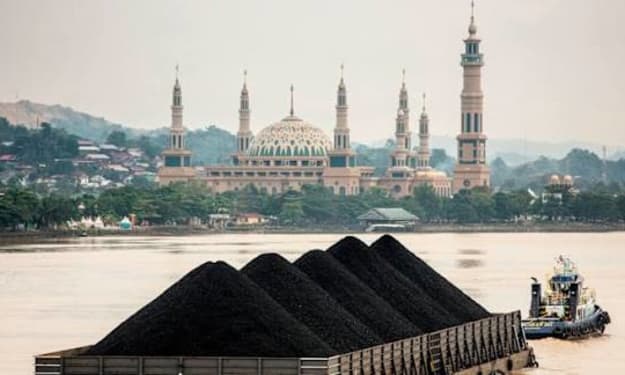
Europe’s energy landscape is shifting as fears over supply security and rising costs drive some countries back toward coal, a fossil fuel many had hoped to phase out entirely. The resurgence comes amid heightened tensions over energy imports, particularly natural gas, as the war in Ukraine and geopolitical friction with Russia have exposed vulnerabilities in the continent’s energy systems. Germany, long seen as a leader in renewable energy adoption, recently announced plans to keep several coal-fired power plants online longer than initially scheduled. Officials cited winter energy demands and the need to maintain a reliable baseload while natural gas supplies remain constrained. Similar considerations are emerging in Poland, the Czech Republic, and other nations that rely heavily on imported energy. “The energy crisis has forced governments to make difficult choices,” said Dr. Klaus Weber, an energy policy analyst at European Energy Institute. “While the climate goals remain important, ensuring citizens have access to electricity and heat this winter has become a more immediate priority.” The return to coal is not simply a response to price spikes. Energy security has become a pressing concern after European reliance on Russian gas pipelines was disrupted, prompting countries to diversify sources and store reserves. Coal, abundant in Europe and globally traded at competitive prices, provides a short-term buffer against shortages. At the same time, rising electricity costs have placed enormous pressure on households and industries. According to recent statistics from the International Energy Agency, European electricity prices surged by nearly 40% in the past year, prompting governments to subsidize energy bills and rethink fuel strategies. Coal-fired generation, though more polluting, offers predictable output and can be ramped up quickly to stabilize grids. Renewable energy advocates have expressed concern that this shift could undermine Europe’s climate leadership. Coal emits roughly twice the CO₂ per unit of energy compared to natural gas, posing challenges to achieving net-zero targets. Critics warn that extending coal use—even temporarily—risks locking in infrastructure that is inconsistent with long-term decarbonization goals. “Every megawatt-hour produced from coal is a step backward for Europe’s climate ambitions,” said Maria López, senior campaigner at Greenpeace Europe. “Governments need to pair any temporary measures with accelerated renewable deployment to avoid backsliding on emissions reductions.” Some nations are attempting to balance these pressures by deploying cleaner coal technologies. Advanced coal plants with carbon capture and storage (CCS) can reduce emissions by capturing a significant portion of CO₂ before it enters the atmosphere. Germany and the Netherlands are investing in pilot projects to integrate CCS into existing power plants, though critics note that large-scale implementation remains costly and complex. Analysts suggest that Europe’s return to coal is likely to be temporary. Once gas supplies stabilize and renewable infrastructure expands, reliance on coal is expected to decline. Yet the episode has highlighted the fragility of energy systems in the face of geopolitical shocks and the tension between short-term energy security and long-term climate goals. Meanwhile, citizens and businesses are feeling the immediate impact. Many households in Eastern and Central Europe face sharply higher heating costs this winter, and industrial manufacturers are warning that energy-intensive production could be scaled back if prices remain high. Policymakers are caught between the urgent need to maintain supply and the imperative to meet climate commitments. The European Union is working on strategies to mitigate these challenges. Measures include expanding LNG import terminals, investing in cross-border electricity interconnectors, and boosting renewable energy capacity. However, the gap between energy supply and demand, exacerbated by geopolitical tensions, means coal may remain a stopgap solution for months to come. Europe’s cautious return to coal underscores a broader reality: energy transitions are never linear. Even as governments and citizens push toward a greener future, external shocks—conflict, supply disruptions, and price volatility—can temporarily alter priorities. The key challenge for policymakers will be ensuring that short-term reliance on fossil fuels does not derail long-term climate ambitions.
By Fiaz Ahmed 3 days ago in Earth
The Politics of Playing Dress-Up
Well, to start off I'd like to say a happy world book day to all who celebrate. I know I haven't really posted anything on my socials about it but I'm not a jubilant kind of person. I lay low most of the time. Let's start off with a popular anecdote from the vaults...
By Annie Kapur5 days ago in Geeks



Comments
There are no comments for this story
Be the first to respond and start the conversation.