
How Seoul’s Summer Takeout Culture Is Ditching Plastic for Good
In the bustling heart of South Korea, eco-friendly packaging is transforming summer meals—from bulgogi bowls to smoothie takeout, sustainability is on the menu.
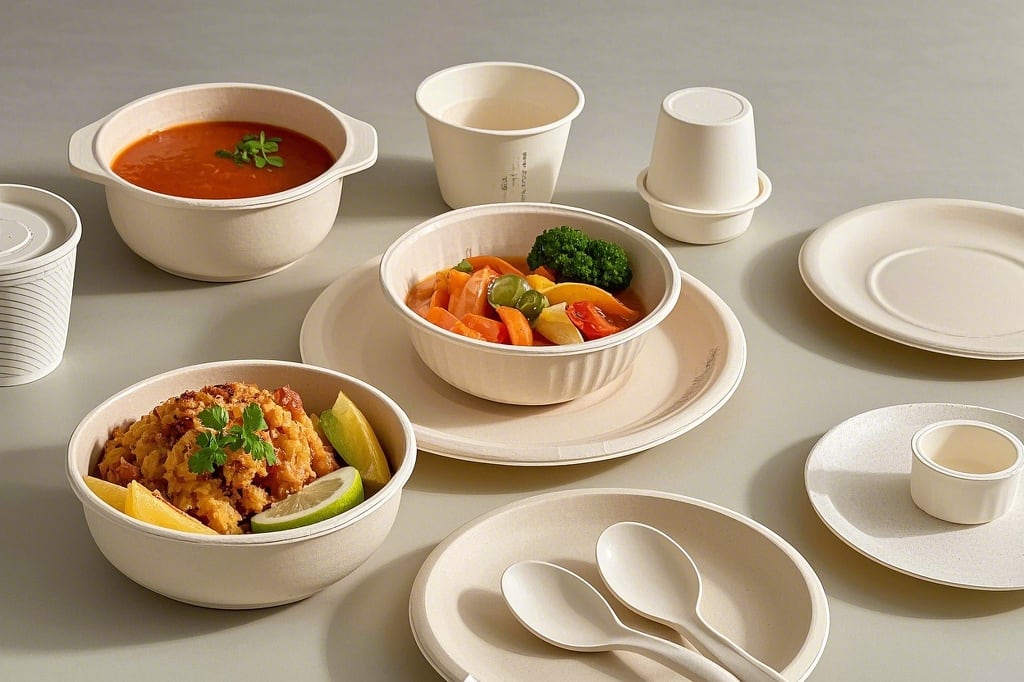
Summer in Seoul: Where Convenience Meets Consciousness
Summer in Seoul is alive with music festivals, riverside picnics, and a thriving late-night food scene. From spicy tteokbokki by the Han River to chilled naengmyeon at a café terrace, the season is all about delicious meals on the go. But there’s something new in the air—an eco-conscious shift in how those meals are packaged.
Driven by rising environmental awareness and plastic reduction policies, Seoul’s takeout scene is rapidly replacing plastic containers with compostable bowls, including bagasse bowls and sugarcane bowls.
Seoul’s Eco Awakening: From Plastic to Plant-Based
In a city known for its tech innovation and trendsetting, it’s no surprise that sustainable food packaging is becoming a lifestyle choice. With government regulations now discouraging single-use plastics, many cafes, food trucks, and delivery platforms are switching to bagasse bowls and other biodegradable options.
Consumers are on board, too. A 2025 consumer report shows over 60% of Seoul residents prefer eco-packaged food—even if it costs a bit more. These compostable alternatives are not just ethical; they’re stylish, Instagrammable, and aligned with Korea’s clean living movement.
What Makes Bagasse and Sugarcane Bowls Ideal for Seoul?
In a city where presentation is everything, bagasse bowls and sugarcane bowls are hitting the sweet spot:
They’re microwaveable—perfect for hot bibimbap or kimchi jjigae.
Their matte texture gives a premium, minimalist aesthetic.
They decompose within weeks, reducing urban landfill pressure.
Whether it’s a cold noodle bowl from Gangnam or vegan tofu stew in Itaewon, compostable bowls offer functionality without compromising on style or sustainability.

The Role of Local Manufacturers
With demand on the rise, Korean businesses are partnering with global and domestic bagasse bowls manufacturers to ensure steady supply and high food safety standards.
Some even work with food delivery giants like Baedal Minjok (Baemin) and Yogiyo, integrating eco-packaging options into their vendor menus. In fact, summer specials on Baemin now often highlight meals that come in eco-friendly sugarcane bowls—a selling point that resonates with Gen Z and Millennial users.
Trending Now: Eco-Friendly Takeout Spots in Seoul
1. Vegan Cafés in Hongdae:
Known for their creative fusion menus and youthful vibe, these spots serve colorful grain bowls in bagasse bowls that are compostable and leak-proof.
2. Han River Picnic Vendors:
Pre-packed meals like kimbap sets, chicken skewers, or Korean fried tofu now come in compostable bowls, making riverside dining cleaner and greener.
3. Co-Working Lunch Deliveries in Gangnam:
Corporate catering is shifting toward sustainable practices. Many lunchboxes delivered to tech offices now include compostable containers and cutlery sets.
Compostable Is the New Cool
More than just a trend, sugarcane bowls are becoming part of Seoul’s lifestyle branding. Popular influencers and vloggers regularly share “zero waste picnic” reels or “eco haul” reviews featuring compostable packaging.
Restaurants even promote their green credentials by showcasing partnerships with certified bagasse bowls manufacturers. It’s not only about the food anymore—it’s about the full dining experience, including what you throw away.
The Consumer Mindset Shift
Take Mina, a 27-year-old designer in Mapo-gu:
“I order lunch almost every day. When I realized how much plastic I was throwing out, I looked for restaurants offering compostable packaging. Now I feel better about my choices—and the packaging even looks nicer!”
This consumer behavior shift is rippling across demographics, prompting even small eateries to rethink their packaging strategy.
Challenges and Opportunities
While Seoul is making strides, full adoption of compostable packaging isn’t without hurdles:
Cost: Compostable bowls are still more expensive than plastic.
Composting Infrastructure: Not all areas have commercial composting facilities.
But innovation is catching up. New bagasse bowls manufacturers are entering the Korean market with competitive pricing, and government programs are expanding food waste composting services in urban zones.

Conclusion: Seoul’s Takeout Scene Goes Sustainable
Seoul is proving that environmental responsibility and modern convenience can coexist. By embracing compostable bowls like those made from sugarcane and bagasse, the city is not just reducing waste—it’s rebranding the entire takeout experience.
So, next time you’re in Seoul ordering a summer meal to-go, look closely at the bowl it comes in. Chances are, it’s part of a bigger story—one that’s changing how an entire city eats and thinks.
About the Creator
Antibiotic resistance is released into rivers and other essential water supplies by melting glaciers.
Sea level rise and the disappearance of landscapes are not the only effects of glaciers melting quickly. Melt water may also contain buried genetic material that aids in bacterial resistance to drugs, scientists are now cautioning.
By Francis Dami5 days ago in Earth
Miss Persephone's Manual to a Seemingly Ordinary Life
Miss Persephone was found at the dining table, her blue eyes swollen, her tears arriving and retreating like the tides of the ocean. Earlier that day, her family had visited her in the retirement home where she had lived for eight years. It was her eightieth birthday.
By Imola Tóth3 days ago in Fiction




Comments
There are no comments for this story
Be the first to respond and start the conversation.