
How Plants Naturally Cool the Environment: Nature’s Living Air Conditioners
The Science Behind How Trees and Green Spaces Help Fight Urban Heat and Create Cooler, Healthier Environments

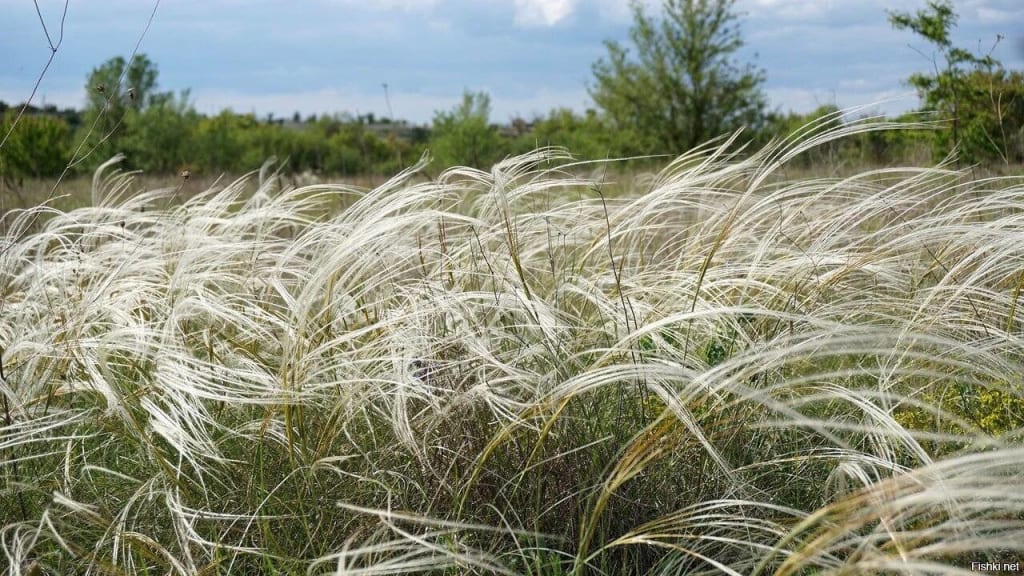
When you step under the shade of a tree on a sweltering summer day, you feel an instant wave of relief. But have you ever wondered why that shade feels so much cooler? It’s not just your imagination plants truly do cool the environment around them. From tropical rainforests to city parks, greenery acts as a natural climate control system, lowering temperatures through a mix of clever biological processes. Let’s explore how plants help us beat the heat and why their role is more important than ever in today’s warming world.
Transpiration: Nature’s Cooling System
One of the most powerful ways plants reduce temperature is through a process called transpiration. Think of it as a plant’s version of sweating. During the day, plants draw water from the ground through their roots and release it as water vapor through tiny pores in their leaves, known as stomata. When this water evaporates into the air, it absorbs heat from the surrounding environment, cooling the air in the process.
This cooling effect can be surprisingly strong. Studies have shown that large trees can lower the temperature beneath their canopies by several degrees Celsius. In urban areas, this can make a major difference, especially in places suffering from the “urban heat island” effect where cities become significantly warmer than surrounding rural areas due to concrete, asphalt, and lack of vegetation.
Shade: A Simple but Powerful Shield
Another way plants help is by providing shade. It sounds simple, but it’s incredibly effective. The leaves and branches of trees block direct sunlight from hitting surfaces like roads, buildings, and sidewalks. These surfaces, especially if they’re dark-colored, absorb heat throughout the day and radiate it back into the air, raising overall temperatures.
By creating a shady barrier, plants prevent surfaces from getting too hot in the first place. For instance, a tree-lined street can be several degrees cooler than one exposed to direct sunlight. Urban planners are increasingly recognizing this effect and incorporating more green spaces and tree canopies into city design to fight rising temperatures.
Improved Humidity: More Comfortable Air
Alongside cooling the air, transpiration also boosts humidity a factor that can affect how we feel temperature. While high humidity can feel oppressive in very hot climates, moderate increases in moisture can make the air feel cooler and more comfortable. This happens because moist air allows for better heat exchange between our skin and the environment, making it easier for our bodies to cool off through sweating.
In dry climates or during heatwaves, increased humidity from plants can play a key role in improving thermal comfort, particularly in shaded, well-vegetated areas like parks and gardens.
Cleaner Air, Better Atmosphere
Although it doesn’t directly cool the air, the air-purifying role of plants also contributes to a more comfortable environment. Through photosynthesis, plants absorb carbon dioxide and release oxygen improving air quality and reducing greenhouse gas levels. Cleaner air means healthier lungs, clearer skies, and better overall well-being, especially in dense urban areas with high pollution levels.
Plants also filter dust and absorb some pollutants, which helps reduce the concentration of airborne particles that can trap heat close to the ground. This improves not only environmental quality but also our perception of heat.
Real-World Examples: Green Cities Lead the Way
Many cities around the world are now investing in urban greening—using plants as tools to manage temperature. In Singapore, vertical gardens and rooftop greenery are common features of modern buildings, providing natural insulation and reducing the need for air conditioning. In Los Angeles, tree-planting programs are helping reduce the city’s intense summer heat and combat climate change at the same time.
Even smaller interventions, like community gardens or green walls, can have a noticeable cooling effect on neighborhoods. And at the household level, planting trees near your home can lower energy bills and improve comfort throughout the summer.
Conclusion: Greening Our Future
Plants are more than just beautiful additions to our landscapes they’re vital allies in our fight against heat and climate change. Through transpiration, shading, humidity regulation, and air purification, greenery offers a natural, sustainable way to cool our surroundings.
As global temperatures continue to rise, embracing the cooling power of plants is not just a luxury it’s a necessity. Whether it’s a single tree on your street or a massive urban forest, every leaf counts in the effort to create cooler, healthier, and more livable environments.
About the Creator
Helga Che
My name is Olga, I love studying plants and ecology.
Without Democracy, Donald Trump’s Venezuelan Oil Quest Will Fail
Donald Trump’s renewed interest in Venezuelan oil may seem, on the surface, like a hard-nosed geopolitical calculation. Venezuela holds the world’s largest proven oil reserves, and amid global energy uncertainty, access to those resources is undeniably tempting. But history, economics, and politics all point to the same conclusion: without democratic reform in Venezuela, any attempt by a Trump-led US administration to secure reliable Venezuelan oil will ultimately fail.
By Aarif Lashari4 days ago in Earth




Comments
There are no comments for this story
Be the first to respond and start the conversation.