
How Emergency Plumbers Use Advanced Technology to Diagnose and Resolve Plumbing Issues Faster
Emergency Plumbers

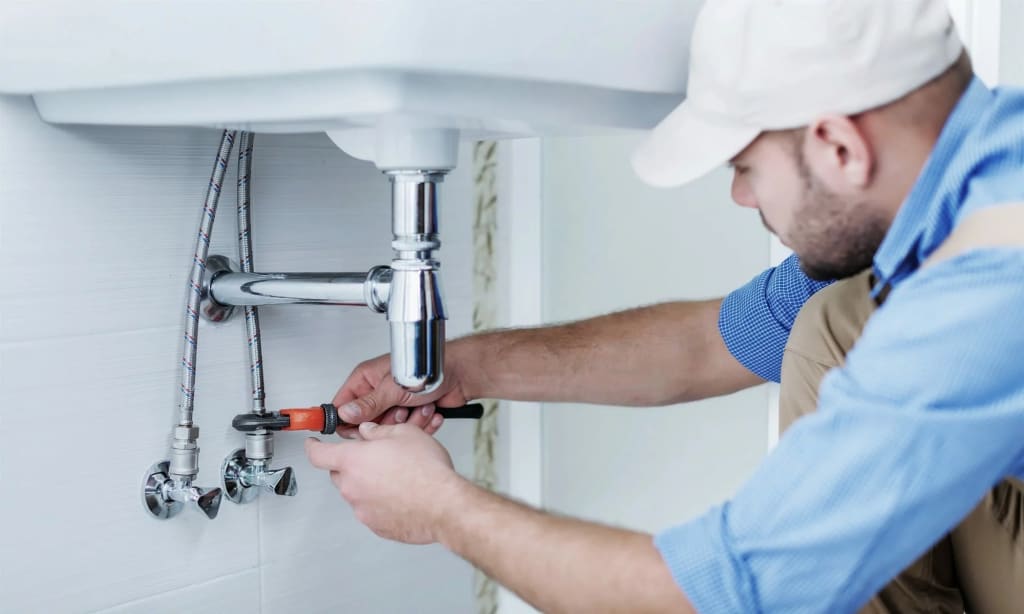
In today’s world, emergency plumbers are adopting advanced technologies to address plumbing problems more efficiently and accurately. From detecting hidden leaks to repairing damaged pipes, technology is revolutionizing how plumbers approach their work. These innovations are not only helping them solve problems faster but also offering customers more cost-effective and reliable services. The introduction of high-tech tools like video inspection, pipe locators, hydro-jetting systems, and advanced leak detection devices have made it easier for emergency plumbers to diagnose issues swiftly and resolve them with minimal disruption.
1. Video Inspection Technology: A Game Changer
Video inspection is one of the most impactful technological advancements in plumbing. This technique involves inserting a small, waterproof camera on the end of a flexible cable into the pipes to visually inspect the interior of plumbing systems. Emergency plumbers can now inspect the condition of pipes without the need for extensive digging or disassembly.
The ability to see the exact condition of a pipe or drain in real-time allows plumbers to quickly pinpoint the source of the problem, whether it's a blockage, corrosion, or a cracked pipe. Traditional methods of diagnosing plumbing issues, such as relying on assumptions or guesswork, are prone to error and can waste valuable time. With video inspection, however, plumbers can avoid unnecessary trial and error, making the diagnosis process quicker and more accurate.
According to a report by The Spruce, the use of video inspection cameras reduces the time required for diagnosing plumbing problems by up to 50%. This efficiency means that customers can enjoy faster service, which is especially important during emergencies.
2. Pipe Locators: Minimizing Damage and Disruption
Another key technological tool that emergency plumbers are utilizing is pipe locators. In the past, locating underground pipes or identifying blockages often meant digging up large sections of the yard or floor, which could be costly and disruptive to the property. With the help of modern pipe locators, plumbers can pinpoint the exact location of pipes and blockages without causing unnecessary damage to the property.
These devices use electromagnetic signals to trace pipes and detect obstacles within them. With pipe locators, plumbers can map out the layout of a building’s plumbing system, even if the pipes are buried deep underground or within walls. This technology makes it easier to identify the most efficient entry points for repairs, reducing the need for invasive digging and minimizing the disruption to the property.
A study by the Plumbing-Heating-Cooling Contractors Association (PHCC) showed that the adoption of pipe locators has led to a 40% reduction in the time spent on repairs and an increase in customer satisfaction. This technology has made plumbing repairs faster, cleaner, and less disruptive, allowing plumbers to quickly fix problems while keeping costs down.
3. Advanced Leak Detection: Detecting Problems Before They Escalate
Leaks can be a nightmare for homeowners, especially when they occur in hidden or hard-to-reach areas like behind walls or beneath floors. In many cases, water leaks go unnoticed until they result in significant damage to the structure of the home. To address this, emergency plumbers now rely on advanced leak detection technology, which helps them find leaks faster and more accurately than traditional methods.
One of the most effective leak detection tools is acoustic listening devices. These devices use sound waves to detect the subtle noises made by water escaping from pipes. Plumbers can listen for these sounds through a sensor placed near the suspected leak area, even if the leak is buried deep underground. This technology allows plumbers to locate the source of the leak without the need for destructive excavation.
Another popular method for leak detection is thermal imaging. By using infrared cameras, plumbers can detect temperature differences in the walls and floors, helping them identify where water has leaked or accumulated. These devices allow plumbers to detect issues before they become serious, potentially saving homeowners from costly repairs down the line.
The effectiveness of these technologies can be seen in the statistics. According to the Environmental Protection Agency (EPA), household leaks account for more than 1 trillion gallons of water wasted annually in the United States. By using advanced leak detection tools, emergency plumbers can help prevent such waste and reduce the risk of extensive water damage. In fact, the implementation of leak detection technology has been shown to reduce water damage costs by as much as 30%.
4. Hydro-Jetting: Cleaning Drains with High Pressure
Hydro-jetting is another technology that has transformed how emergency plumbers deal with clogged drains and pipes. This method involves using high-pressure water jets to clear debris, grease, and other blockages from pipes. Unlike traditional methods that rely on physical tools like snakes or augers, hydro-jetting is a non-invasive solution that thoroughly cleans pipes, restoring them to their original condition.
The high-pressure water used in hydro-jetting can break down tough blockages like tree roots, grease build-up, and sediment, which are often difficult to remove with traditional methods. It is also more effective than chemical drain cleaners, which can damage pipes over time. Hydro-jetting allows emergency plumbers to clean and restore the plumbing system without resorting to invasive digging or pipe replacement, making it a faster and more cost-effective solution.
A report by the National Association of Plumbing Contractors found that 75% of plumbing businesses that adopted hydro-jetting reported higher levels of customer satisfaction due to faster, more effective drain cleaning. With the increased demand for eco-friendly and efficient solutions, hydro-jetting is becoming the go-to method for emergency plumbers looking to resolve drainage issues quickly.
5. Mobile Technology: Enhancing Efficiency and Communication
Beyond tools like cameras and pipe locators, mobile technology has become a crucial part of how emergency plumbers operate. Today, many plumbers use mobile devices and specialized apps to manage their schedules, communicate with customers, and track job progress in real-time. These apps allow plumbers to access job details, customer information, and even diagnostic results while on the go, reducing downtime and improving efficiency.
For example, emergency plumbers can now receive and respond to service requests more quickly, reducing the time it takes to reach the customer and assess the situation. They can also use mobile technology to provide customers with real-time updates on the status of their plumbing issue, ensuring that they remain informed and satisfied throughout the process.
According to a survey by ServiceTitan, over 50% of plumbing companies now use mobile software to improve service efficiency and customer communication. This trend is expected to continue growing as more companies realize the benefits of mobile technology in enhancing both customer experience and business operations.
6. Smart Plumbing Systems: The Future of Plumbing
The future of plumbing is increasingly intertwined with smart technology. Smart plumbing systems equipped with sensors and IoT (Internet of Things) technology can monitor a home’s plumbing in real-time, alerting homeowners and plumbers to potential issues before they escalate into emergencies. These systems can detect leaks, monitor water usage, and even alert the homeowner if there are fluctuations in water pressure, indicating a possible problem.
For example, some smart water meters can notify homeowners if there is a sudden spike in water usage, potentially indicating a leak or other plumbing issue. Emergency plumbers can use this data to investigate the problem more quickly and accurately, potentially preventing serious water damage.
As smart home technology continues to evolve, it is expected that more and more homeowners will opt for these connected plumbing systems, making it easier for emergency plumbers to detect and resolve issues quickly.
Conclusion
The integration of advanced technologies in emergency plumbing services is transforming the industry, allowing plumbers to diagnose and resolve issues faster and more efficiently. Whether through the use of video inspections, leak detection devices, or hydro-jetting systems, these innovations are improving service quality, reducing costs, and minimizing disruption to customers’ homes. As plumbing technology continues to evolve, it is clear that these tools will play a central role in shaping the future of the industry, ensuring that emergency plumbing issues are addressed with precision, speed, and minimal impact on customers.
References:
• "How to Detect Plumbing Problems Before They Become Disasters" - The Spruce Link
• "Pipe Locators and Their Role in Modern Plumbing" - Plumbing-Heating-Cooling Contractors Association Link
About the Creator
Ellen Sammy
Writer and Blogger
Keep reading
More stories from Ellen Sammy and writers in Earth and other communities.
The Truth About Deep Sea Mining
Deep underwater, 4 km down, beyond the reach of our star’s light, lie dark potato-shaped nodules. These formations have been around for millions of years, slowly growing in size, and they may hold the key to an electric future. We’ve known about these odd formations for over 150 years. In 1873, HMS Challenger managed to collect samples from the mysterious abyss of the midnight zone by dropping kilometre-long hemp ropes with a collecting apparatus attached, pulling one of these nodules to the surface.
By Ellen Sammy11 months ago in Earth



Comments
There are no comments for this story
Be the first to respond and start the conversation.