
How 'Dark Oxygen' Could Redefine Our Understanding of Marine Life"
The Unexpected Find Challenging Scientists' Knowledge of the Ocean"

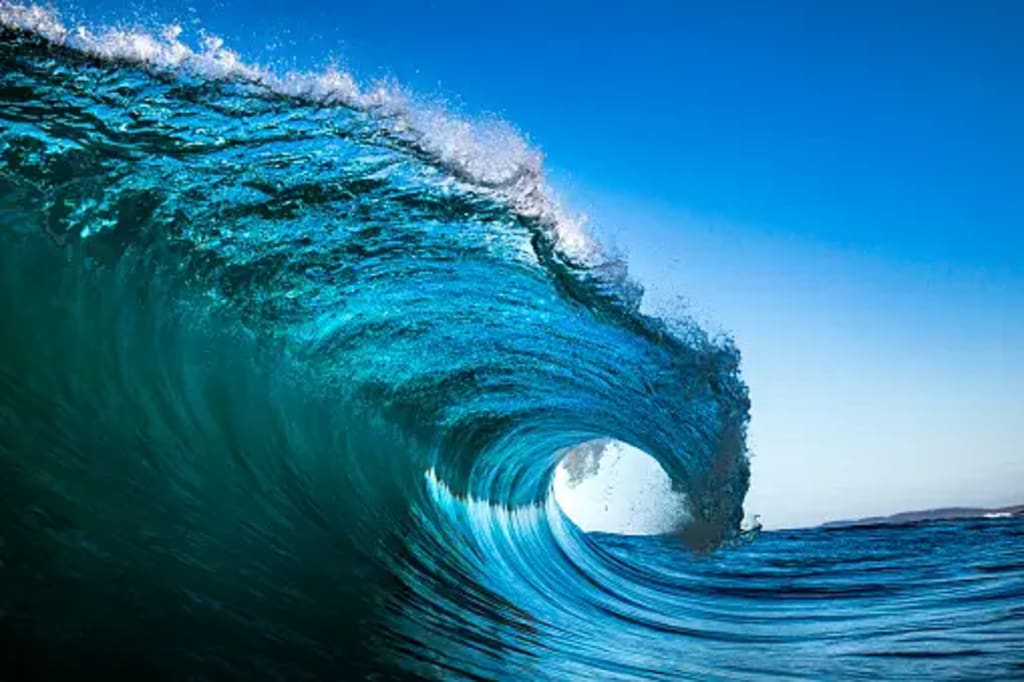
The Unexpected Find Challenging Scientists' Knowledge of the Ocean"
The ocean depths are one of the least explored and understood regions of our planet. Discoveries like ‘dark oxygen’ found 13,000 feet under the sea underscore the need for advanced technology and innovative research methods. Current technology allows us to reach these depths, but the harsh conditions and the vast expanse of the ocean mean much remains undiscovered. Future technological advancements will enhance our ability to map, explore, and understand these extreme environments. Uncovering the secrets of the deep sea is crucial, as it holds answers to fundamental questions about Earth’s biology, chemistry, and geology
Future Research Directions
Given the intriguing nature of ‘dark oxygen’, found 13,000 feet under the sea, future research will likely focus on several key areas:
Characterization: Scientists will aim to characterize the chemical and physical properties of dark oxygen in more detail, such as its molecular structure, stability under different conditions, and reactivity.
Interactions: Research will explore how dark oxygen interacts with other marine compounds, which could reveal new biochemical pathways and processes unique to deep-sea environments.
Ecosystem Role: Understanding the role of dark oxygen in the broader deep-sea ecosystem will be essential. This includes studying its impact on deep-sea organisms, microbial communities, and overall biodiversity.
Applications in Other Fields: The potential applications of this discovery in other scientific fields, such as astrobiology, will be an exciting avenue of exploration. Dark oxygen might offer clues about the potential for life on other planets with similar extreme conditions.
2Challenges in Studying Dark Oxygen
Studying ‘dark oxygen’, found 13,000 feet under the sea, presents several challenges:
Extreme Conditions: The high pressure, low temperatures, and complete darkness at these depths make sample collection and analysis complex and costly. Specialized submersibles and remotely operated vehicles (ROVs) are required for deep-sea expeditions.
Technical Hurdles: Researchers must overcome technical hurdles related to pressure-resistant equipment, temperature regulation, and the preservation of samples during their retrieval and transport to the surface.
Cost: Deep-sea research is expensive due to the need for advanced technology and logistics involved in conducting expeditions. Funding and resource allocation are critical issues for ongoing research.
Despite these challenges, the potential rewards of understanding this phenomenon drive continued research and innovation in the field.
The Broader Impact of the Discovery
The discovery of ‘dark oxygen’, found 13,000 feet under the sea, has broader implications for our understanding of the ocean and its ecosystems:
Complexity and Diversity: It serves as a reminder of the complexity and diversity of life on Earth, particularly in the most remote and extreme environments. Each discovery adds to our knowledge of the intricate web of life that exists in the deep sea.Scientific Advancement: Such discoveries not only advance scientific knowledge but also provide insights into evolutionary processes, biochemical adaptations, and the potential for life in similar extreme conditions elsewhere in the universe.
Conservation Importance: Highlighting these unique habitats emphasizes the importance of preserving them for future generations. Conservation efforts can be informed by understanding the roles and interactions of different species and chemicals in these environments.
Public Interest and Awareness
The discovery of ‘dark oxygen’, found 13,000 feet under the sea, has sparked significant public interest. Media coverage and educational outreach are crucial for several reasons:
Raising Awareness: Highlighting the importance of deep-sea research and ocean conservation helps the public understand why these areas are worth exploring and protecting.
Engaging the Public: By engaging the public and fostering a sense of wonder about the natural world, scientists can garner support for continued exploration and preservation efforts.
Educational Value: Educational outreach can inspire the next generation of scientists and researchers, encouraging them to pursue careers in marine science and related fields.
Conclusion
In summary, the discovery of ‘dark oxygen’, found 13,000 feet under the sea, represents a fascinating and complex phenomenon that challenges our current understanding of marine chemistry and biology. This discovery opens up new avenues for research and highlights the remarkable adaptability of life in extreme environments. As we continue to explore the depths of the ocean, we can expect to uncover even more secrets that enhance our knowledge of the natural world and our place within it.
Continued research into dark oxygen will deepen our understanding of the ocean’s mysteries, improve our technological capabilities, and potentially reveal new biological and chemical principles applicable beyond
About the Creator
Mohamed sha
Reading makes a man perfect. Come and read my page if possible
Keep reading
More stories from Mohamed sha and writers in Earth and other communities.
War:
War: The Art of Never Growing Up There is something deeply strange about war. It isn’t strange in the sense that it surprises us, we have normalized it far too effectively for that. Rather, it is strange in the way something feels instinctively "wrong" even after thousands of years of repetition. It feels like an evolutionary glitch, a behavior that doesn’t quite belong to the world we claim to be building.
By Rick Anguloabout 23 hours ago in Earth


Comments (1)
Very educative