
How dangerous are giant African snails?
Slimy creature prompts quarantine area

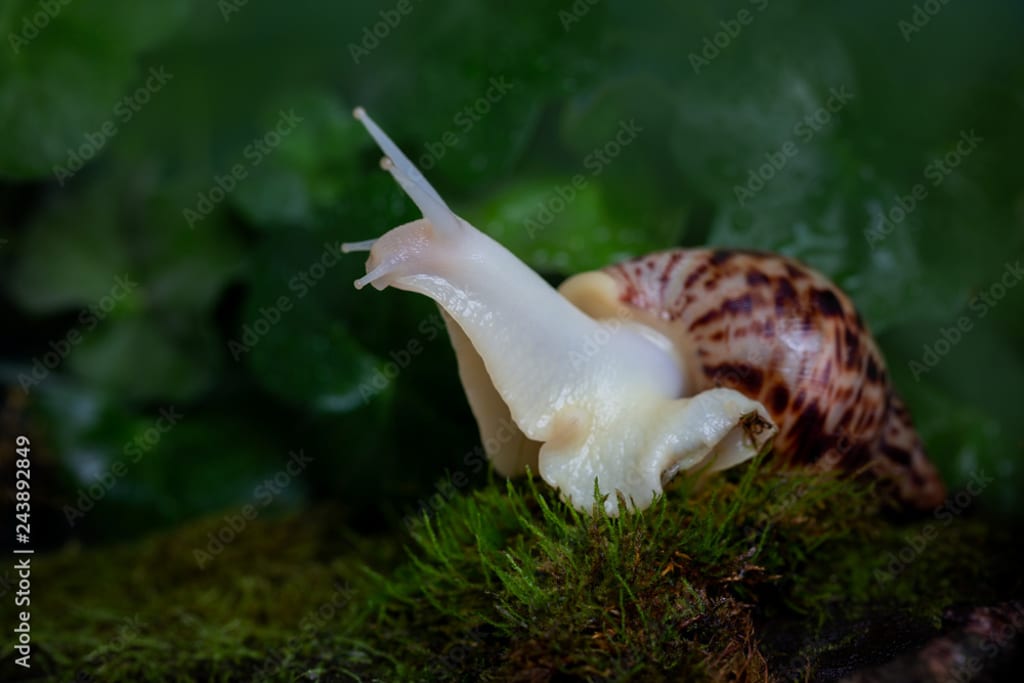
Giant African snails, scientifically known as Achatina fulica, have garnered attention due to their impressive size and invasive nature. Originating from East Africa, these mollusks have been introduced to various parts of the world, causing concerns about their potential dangers. This article aims to explore the risks associated with giant African snails and shed light on their impact on ecosystems, agriculture, and human health.
Ecological Impact:
The introduction of giant African snails to non-native environments poses a significant threat to local ecosystems. These snails are voracious feeders and can consume a wide range of plants, including crops and ornamental species. Their rapid reproduction rates, coupled with their ability to survive in diverse habitats, allow them to outcompete native species for resources, leading to biodiversity loss and ecological imbalance.
Agricultural Concerns:
Giant African snails are notorious agricultural pests due to their destructive feeding habits. They can devastate crops, vegetables, and ornamental plants, causing significant economic losses for farmers and gardeners. Their insatiable appetite and ability to multiply rapidly make it challenging to control their population and mitigate the damage they inflict on agricultural lands.
Health Risks:
While giant African snails are primarily a threat to plants and agriculture, they also pose certain risks to human health. One of the main concerns is their potential to transmit diseases. These snails can act as intermediate hosts for parasites, such as the rat lungworm, which can infect humans if they consume contaminated snail meat or improperly washed produce. The parasite can cause meningitis, leading to severe neurological complications.
Economic Consequences:
The presence of giant African snails in new environments has significant economic consequences. Infestations can result in substantial financial burdens on governments, agricultural industries, and local communities. The costs associated with eradication programs, quarantine measures, and crop losses can be substantial, affecting both developed and developing countries.
Invasive Species Management:
Controlling the spread of giant African snails requires comprehensive management strategies. Efforts to combat their invasion often involve a combination of biological, chemical, and cultural control methods. Biological control may include the introduction of natural predators or the use of sterilization techniques. Chemical control involves the application of molluscicides, although this approach should be used judiciously to minimize environmental impact.
Public Awareness and Education:
Raising public awareness about the dangers of giant African snails is crucial for preventing their introduction and spread. Educational campaigns, especially in regions prone to invasion, can inform the public about the risks associated with these snails and promote responsible practices, such as inspecting and cleaning agricultural products, ensuring proper disposal of snails, and reporting any sightings to local authorities.
Giant African snails present a significant danger to ecosystems, agriculture, and human health due to their destructive feeding habits, potential disease transmission, and economic implications. The establishment and spread of these invasive species require proactive measures in terms of ecological management, eradication efforts, and public education. By addressing these challenges, we can minimize the risks associated with giant African snails and protect our environment, food security, and well-being.
Reproduction and Spread:
Giant African snails are hermaphroditic, meaning they possess both male and female reproductive organs. This characteristic enables them to reproduce rapidly and in large numbers. A single snail can lay hundreds of eggs in a year, and their ability to self-fertilize increases their reproductive potential. This reproductive prowess contributes to their invasive nature and makes it difficult to control their population once established.
Environmental Impact:
The presence of giant African snails in an ecosystem can have far-reaching consequences. As they consume vegetation, they can disrupt natural food chains and impact the availability of food sources for other organisms. Their feeding activities can also alter soil composition, potentially affecting nutrient cycling processes. Additionally, their large size and weight can damage plants and vegetation, leading to habitat degradation and loss of biodiversity.
Quarantine Measures:
Due to the potential risks associated with giant African snails, many countries have implemented strict quarantine measures to prevent their introduction. These measures involve inspections and screenings of imported goods, particularly agricultural products, to detect and prevent the entry of snails and their eggs. Quarantine protocols play a crucial role in minimizing the spread of these invasive species to new regions.
Cultural and Culinary Significance:
In some cultures, giant African snails hold culinary value and are considered a delicacy. However, it is essential to exercise caution when consuming these snails due to the associated health risks. Proper cooking methods, such as thorough heating and cleaning, are necessary to eliminate potential parasites or pathogens that may be present.
Citizen Science and Monitoring:
Engaging citizens in monitoring efforts can help detect and track the spread of giant African snails. Citizen science initiatives, where individuals report sightings or participate in data collection, can provide valuable information to researchers and authorities. This collaborative approach allows for early intervention and targeted management strategies in areas prone to invasion.
International Cooperation:
Given the global nature of the giant African snail issue, international cooperation is vital. Sharing knowledge, best practices, and research findings among countries facing similar challenges can enhance the effectiveness of invasive species management. Collaborative efforts can also help establish coordinated response plans, improve border control measures, and facilitate the exchange of information on control methods and eradication programs.
The danger posed by giant African snails extends beyond their impact on ecosystems and agriculture to encompass health risks, economic consequences, and environmental disruptions. Combating the invasive spread of these snails requires a multi-faceted approach involving scientific research, policy interventions, public education, and international collaboration. By addressing the dangers associated with giant African snails comprehensively, we can protect our ecosystems, preserve agricultural productivity, safeguard public health, and mitigate the economic burdens caused by these invasive species.
About the Creator
Keep reading
More stories from pratim paramanik and writers in Earth and other communities.
THE ARTFUL PATH
I am Pratim Paramanik. I am a resident of Purulia. A news came to my attention a few days ago. The news is that a 12-year-old girl stabbed and killed a 55-year-old man by hitting him on the head and was sent to a child home. After reading the news, I was worried for a while. But later it got out of my head and later I became normal.
By pratim paramanik3 years ago in Art
Major Scientific Milestones of 2017
The year 2017 was an extraordinary period for scientific progress. Researchers across the world achieved remarkable breakthroughs in space exploration, medicine, technology, and environmental science. These discoveries not only expanded human knowledge but also opened new possibilities for the future. From observing gravitational waves to advances in gene editing and artificial intelligence, 2017 demonstrated the powerful role science plays in shaping modern society.
By Irshad Abbasi 6 days ago in Earth


Comments
There are no comments for this story
Be the first to respond and start the conversation.