
How Climate Change is Impacting Our Oceans and Marine Life
Understanding the Impacts of Rising Temperatures, Ocean Acidification, and Sea Level Rise, and Promoting Sustainability for a Healthier Future

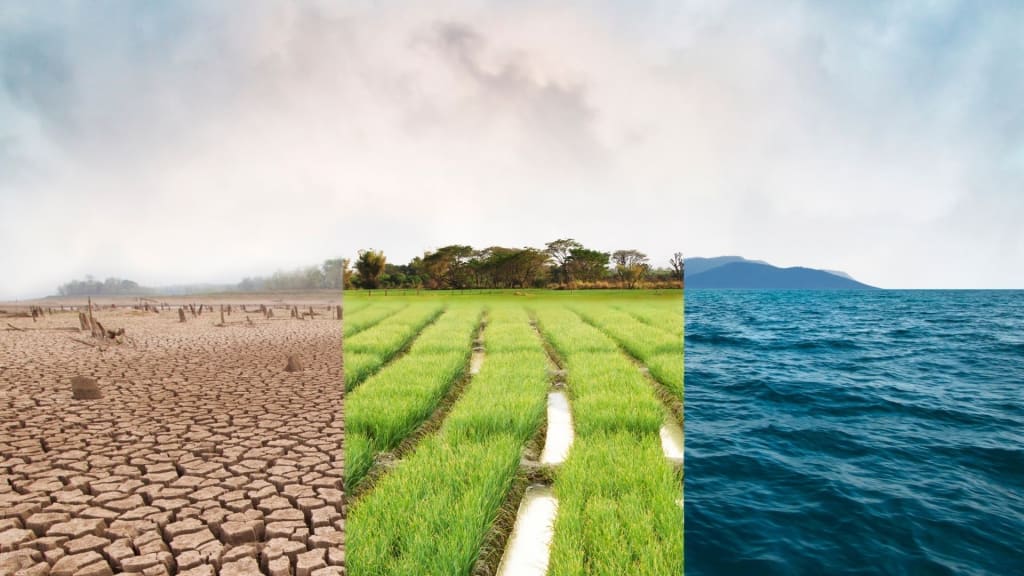
Climate change is one of the greatest threats to our planet's oceans and marine life. Rising temperatures, ocean acidification, and sea level rise are all having significant impacts on the health and biodiversity of our oceans. In this article, we will explore how climate change is impacting our oceans and marine life, and what we can do to mitigate its impact.
Rising Temperatures:
As the Earth's temperature rises, so do ocean temperatures. This has a range of impacts on marine life, including changes in the distribution of species, altered feeding patterns, and increased stress on coral reefs.
Ocean Acidification:
Ocean acidification occurs when the ocean absorbs excess carbon dioxide from the atmosphere, making the water more acidic. This can harm marine life, particularly those with shells or exoskeletons, such as corals, oysters, and crustaceans.
Sea Level Rise:
Sea level rise is another impact of climate change that affects our oceans. As sea levels rise, coastal ecosystems and habitats are at risk of flooding and erosion, which can have significant impacts on marine life and the communities that depend on them.
Extreme Weather Events:
Climate change is also increasing the frequency and intensity of extreme weather events such as hurricanes and typhoons. These events can have devastating impacts on marine ecosystems and wildlife, including damage to coral reefs and habitats, and changes in the distribution of species.
Mitigating the Impact of Climate Change on Oceans and Marine Life:
There are several ways we can mitigate the impact of climate change on oceans and marine life. These include reducing our carbon footprint, supporting policies that promote sustainability and conservation, and advocating for increased research and monitoring of the impacts of climate change on marine ecosystems.
Impacts on Marine Biodiversity:
The impacts of climate change on our oceans are already affecting the biodiversity of marine ecosystems. Changes in temperature, ocean chemistry, and sea level rise are leading to shifts in the distribution and abundance of species, and altering food webs and ecological interactions.
Economic Impacts:
The economic impacts of climate change on oceans and marine life are significant, affecting industries such as fisheries, tourism, and shipping. Rising sea levels and extreme weather events can damage infrastructure and disrupt supply chains, while changes in ocean chemistry and temperature can affect the distribution and productivity of fish stocks.
Role of Adaptation and Resilience:
Adaptation and resilience are crucial in addressing the impacts of climate change on oceans and marine life. This includes developing strategies to protect vulnerable ecosystems and habitats, promoting sustainable practices in industries such as fishing and tourism, and investing in research and monitoring to better understand the impacts of climate change on marine ecosystems.
Collaborative Solutions:
Addressing the impacts of climate change on oceans and marine life requires a collaborative effort from individuals, governments, industries, and communities. Collaborative solutions such as marine protected areas, sustainable fisheries management, and climate-smart infrastructure can help to mitigate the impacts of climate change and ensure the resilience of our oceans and marine life.
The Importance of Education and Awareness:
Education and awareness are critical in addressing the impacts of climate change on oceans and marine life. By increasing public awareness of the issue and promoting sustainable practices in our daily lives, we can all contribute to the protection of our oceans and marine life. Coral Bleaching:
One of the most visible impacts of climate change on our oceans is coral bleaching, which occurs when coral expel the symbiotic algae that give them their vibrant colors and turn white. This can lead to the death of coral reefs and the ecosystems they support.
Changes in Ocean Currents:
Rising temperatures and changing weather patterns can affect ocean currents, which can have significant impacts on marine life. Changes in ocean currents can alter the distribution of nutrients and food sources, affecting the productivity of fish stocks and other marine species.
Impacts on Arctic and Antarctic Ecosystems:
The impacts of climate change are particularly pronounced in Arctic and Antarctic ecosystems, where warming temperatures are causing rapid changes in sea ice cover, ocean chemistry, and the distribution of species. This is having significant impacts on marine life in these regions, as well as on the communities that depend on them.
Impacts on Migratory Species:
Many marine species undertake long-distance migrations as part of their life cycle, and changes in ocean temperature and chemistry can affect these migrations. This can have significant impacts on the productivity of fisheries and the health of marine ecosystems.
Solutions for Climate Change and Our Oceans:
Solutions for addressing climate change and its impacts on our oceans and marine life include reducing greenhouse gas emissions, promoting sustainable practices in industries such as fishing and tourism, and investing in research and monitoring to better understand the impacts of climate change on marine ecosystems.
The impacts of climate change on our oceans and marine life are significant and require urgent action. By understanding the impacts of climate change on marine ecosystems, promoting sustainable practices, and investing in research and monitoring, we can help to mitigate its impact and protect our oceans and marine life for future generations. Let us all work together to safeguard the health and biodiversity of our planet's oceans.
About the Creator
Gokhan Polard
As an experienced ERC Referral Specialist, my primary dedication lies in assisting businesses in the journey towards financial success. https://ercsolutionshub.com/
Keep reading
More stories from Gokhan Polard and writers in Earth and other communities.
10 Simple Ways to Reduce Your Carbon Footprint Today
Climate change is one of the most pressing issues facing our planet today, and reducing our carbon footprint is crucial to combatting it. Carbon footprint is the total amount of greenhouse gases (primarily carbon dioxide) that are emitted through our daily activities. While some activities may be unavoidable, there are many simple ways we can all reduce our carbon footprint starting today. In this comprehensive guide, we will outline 10 simple and effective ways to reduce your carbon footprint and do your part to combat climate change.
By Gokhan Polard3 years ago in Earth
Relativistic Colour and the Physics Behind Gold's Golden Glow
Pick up a piece of gold jewellery and hold it near a window. That warm, unmistakable yellow glow catches the light in a way that feels almost alive. It is not simply pretty. It is, as it turns out, physically extraordinary.
By CurlsAndCommas5 days ago in Earth



Comments
There are no comments for this story
Be the first to respond and start the conversation.