
Honey Ants of Oaxaca: A Sweet Treasure from the Mixteca Desert
Natural Resources

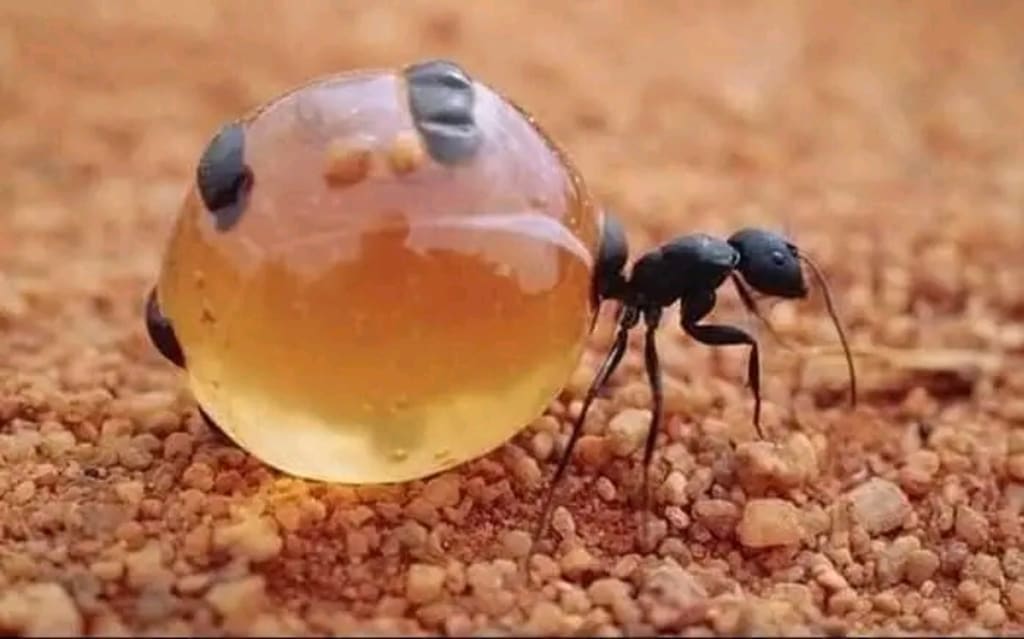
From the vibrant landscapes of Oaxaca, Mexico, comes a fascinating creature that is as much a part of nature as it is of local culture: the honey ant. Known locally as chindudis, these remarkable ants produce and store honey—not in combs like bees, but in their own bodies. This natural marvel has been cherished by Oaxacan communities for generations, offering a unique delicacy that is both sweet and sustainable.
What Are Honey Ants?
Honey ants, belonging to desert regions, are a unique variety of ants that store honey in their bodies. Found primarily in the Mixteca region of Oaxaca, they have adapted to survive in arid conditions where resources are scarce. Instead of creating honeycombs, these ants use their abdomens as storage vessels for honey, which they produce by collecting floral nectar overnight.
A specialized caste within the colony, known as repletes, develop swollen abdomens filled with the golden nectar. These repletes act as "living jars," hanging motionless in the colony’s underground nests, ready to regurgitate the honey when food is scarce.
A Sweet Tradition in Oaxacan Culture
Locally known as chindudis, tiocondudi, botijas, or vinitos, honey ants have been part of the cultural and culinary heritage of Oaxaca for centuries. In Mixtec, they are called tioko ntudi, meaning “honey ant,” and their names vary across villages, reflecting their deep-rooted significance in local traditions.
These ants are most commonly found during the dry season, as their activity slows when the rains arrive. Harvesting them requires skill and care, as they live underground in networks of tunnels. Locals identify potential nests during the day, dig carefully, and gently extract the repletes without harming them.
The Unique Flavor of Honey Ants
The honey stored in these ants is unlike anything else. Its flavor is a reflection of the diverse flora of the Mixteca region, offering a complex profile with sweet and floral notes, often accompanied by earthy undertones. This variability makes each drop of honey a unique experience, as its taste depends on the types of nectar collected by the ants.
Oaxacans often consume the honey directly from the ants’ abdomens, savoring its sweetness and marveling at its natural origin. Alternatively, it can be used as a topping for traditional foods like tortillas or incorporated into desserts, adding a touch of nature’s sweetness to local cuisine.
Sustainability and Respect for Nature
What sets the practice of harvesting honey ants apart is its sustainability. Local communities have developed methods to ensure the ants are not harmed during the process. Once the honey is extracted, the ants are released back into their nests, allowing them to replenish their honey stores overnight.
This practice reflects a deep respect for nature and the creatures that share the land. By prioritizing the ants’ well-being, Oaxacans ensure that this tradition can continue for generations, preserving both the ants’ population and the cultural heritage they represent.
Medicinal and Cultural Significance
Beyond their culinary appeal, honey ants are also valued for their medicinal properties. Locals believe their honey can boost energy, aid digestion, and even treat minor ailments. This dual purpose as both food and remedy underscores their importance in the daily lives of Mixtec communities.
Honey ants also hold a special place in cultural narratives, symbolizing resilience and the ability to thrive in challenging conditions. Their existence serves as a reminder of the harmony between humans and nature, a theme that resonates deeply in Oaxacan traditions.
Discovering the Honey Ants of Oaxaca
For travelers and food enthusiasts, the honey ants of Oaxaca offer a chance to experience something truly unique. Exploring the Mixteca region, visitors can learn about the traditional methods of harvesting and taste the honey for themselves. It’s an opportunity to connect with the land, its people, and its rich biodiversity.
However, it’s essential to approach this tradition with respect and care. Overharvesting or disrupting the ants’ habitats can threaten their survival and the delicate balance of their ecosystem. Supporting local communities in sustainable practices is key to preserving this treasure.
A Symbol of Nature’s Ingenuity
The honey ants of Oaxaca are more than just a source of sweetness—they are a testament to the ingenuity of nature and the cultural wisdom of the region’s people. Their ability to produce and store honey in their bodies is a remarkable adaptation to their environment, while the sustainable harvesting practices of Oaxacan communities highlight a harmonious relationship with the natural world.
In a world increasingly disconnected from nature, the chindudis serve as a reminder of the beauty and simplicity of living in tune with the earth. Whether enjoyed as a delicacy, appreciated for their medicinal value, or admired for their unique biology, these ants are a symbol of Oaxaca’s rich cultural and ecological heritage.
Conclusion
The honey ants of Oaxaca are a sweet secret worth celebrating. From their intricate natural adaptations to their role in Mixtec traditions, they embody the richness of the region’s biodiversity and culture. Harvested with care and consumed with gratitude, they represent the harmonious relationship between humans and the environment.
If you ever find yourself in Oaxaca, take the opportunity to uncover this hidden treasure. A taste of honey from the chindudis is more than just a culinary experience—it’s a journey into the heart of Oaxaca’s traditions and the remarkable ingenuity of nature itself.
About the Creator
Keep reading
More stories from Deji Akomolafe and writers in Earth and other communities.
The Bajau People: Evolution’s Incredible Adaptation to Life Under the Sea
In the coastal waters of Indonesia, Malaysia, and the Philippines, an extraordinary community known as the Bajau people live their lives intertwined with the sea in a way that few others can fathom. Known as the "Sea Nomads," the Bajau have spent more than a thousand years navigating, hunting, and thriving on the open ocean, adapting in ways that challenge what we know about human physiology. For the Bajau, the sea is more than just a home; it’s a way of life—and one they’ve physically evolved to fit.
By Deji Akomolafeabout a year ago in Earth
Harmful Effects of the Environment
The environment is the natural world around us. It includes air, water, land, plants, animals, and all living and non-living things that support life on Earth. A healthy environment is very important for the survival and well-being of humans, animals, and plants. However, in recent years, the environment has been facing serious harm due to human activities. Pollution, deforestation, and climate change are some of the major environmental problems that are affecting the world today. These harmful effects are not only damaging nature but also creating serious challenges for human life.
By aadam khana day ago in Earth


Comments
There are no comments for this story
Be the first to respond and start the conversation.