
HERBS AS MEDICINE
Herbs and medicinal plants have long been used as plentiful sources of a wide range of physiologically active chemicals.


Herbs and medicinal plants have long been used as plentiful sources of a wide range of physiologically active chemicals. In the earlier days, Native American healers frequently used unprocessed plant materials or their pure components to cure a variety of illnesses.
Due to their unmatched chemical diversity, and their ability to minimize the side effects on the body’s internal organs, natural products derived from herbs and medicinal plants present an endless number of options for the discovery of novel medications.
For e.g: Studies on medicinal plants show that between 1960 and 1997, two alkaloid-derived medications from the pink periwinkle (Catharanthus roseus) of Madagascar raised the likelihood of remission for children with leukaemia by 85%.
Recently discovered compounds, such as the one found in a plant from Madagascar, are likely to provide novel antibiotics and aid in combating the epidemic of antibiotic-resistant diseases.
After the pandemic in particular, natural products currently hold significant importance due to their unique attributes as substantial sources of therapeutic phytochemicals, offering efficacy, safety, and minimal side effects to the organs in the body and their long-term effects on the occurrence of chronic diseases like blood pressure and heart disease.
Bioactive compounds found in plants that encompass properties like alkaloids, terpenoids, coumarins, flavonoids, that exhibit a wide spectrum of bioactivities in the human body, including anti-inflammatory, anticancer, antioxidant, antimicrobial, and other properties.
The roots of modern-day medicine date back to the early 19th Century, with discoveries by Dr Louis Pasteur and the discovery of Penicillin by Alexander Fleming. On the other hand, traditional herbs and other medicinal plants have been utilized for thousands of years in the treatment of illnesses.
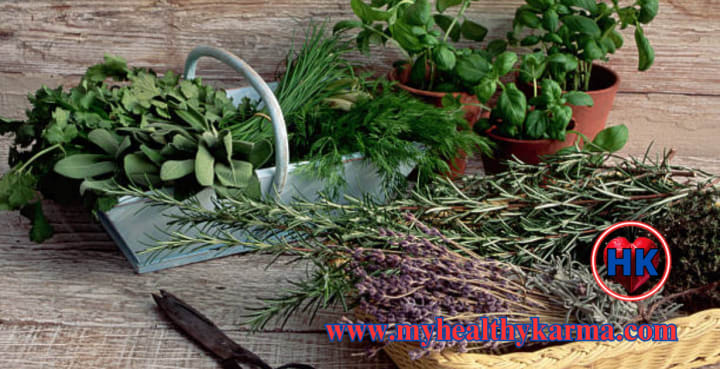
Traditional Chinese medicine, and Indian medicine, for instance, have a written history of herbal medicine dating back over 2000 years, while Western herbalists have also employed these remedies for an extended period.
Some of the well-known common herbs that have also been used for culinary purposes include garlic, chamomile, peppermint, and lavender are among the most commonly used herbs with well-known medicinal properties.
The pharmaceutical industry is continuously looking for new and more potent medications to address illnesses for which there may be few or no treatments available, as a part of their research and development is the main source of the increased interest in medicinal herbs.
Ancient cultures and herbalists have valued herbs as invaluable treasuries for the benefit of mankind since many so-called weeds had great therapeutic properties.
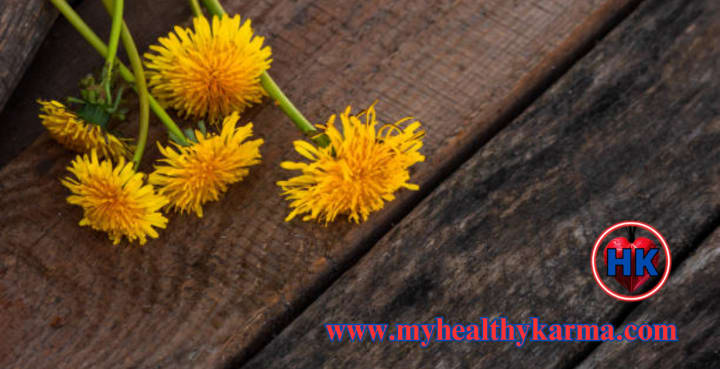
Few, if any, competitors in the pharmaceutical sector can match the vast study and documented medicinal qualities of dandelion, comfrey, digitalis (foxglove), poppies, milk thistle, stinging nettle, and countless other plants. These herbs are the basis for a number of pharmaceutical medications.
Researchers at the Royal Botanical Gardens are looking into the therapeutic potential of plants like Dandelions. Given the high number of cancer-related fatalities each year all over the world, they think it might one day be a source of a medicine that could save the lives of thousands of cancer patients at a fraction of a cost less than what the current therapy costs today.
The Most Important Thing Missing From Your Garden Today.
While it is critical to demonstrate the scientific veracity of a given herb's ability to treat a particular condition, it is also crucial to take into account the choice and fusion of herbs that work best together.
This strategy considers the person getting therapy, and any underlying issues, in addition to the sickness itself. Such factors are difficult to test with conventional scientific methods.
Pharmaceutical firms are mostly interested in extracting therapeutic compounds from medicinal plants that may be synthesized inexpensively and sold as new medications.
This method however ignores the fact that herbs contain a variety of chemicals, which may also have other uses, many of which are still poorly known and cannot be synthesised and interact with one another.
Since herbal treatments cannot be patented or trademarked, there is little financial motivation to research their hidden properties and market them, which is why they are not more commonly used.
On the other hand, the business model drug corporations are interested where can patent their products, giving them a temporary monopoly that allows them to recoup their costs for research and development and turn a profit.
In conclusion, herbal remedies have been used for treating illnesses for ages, and their efficacy has been extensively documented. The pharmaceutical industry is interested in therapeutic herbs, but this approach overlooks the fact that herbs contain multiple interacting compounds, many of which remain unexplored and cannot be replicated through manufacturing.
Therefore, the world needs a more holistic approach to utilizing herbal medicines that should be embraced for the benefit of mankind rather than a few capitalists or businessmen out to make profits at the expense of overall health for the whole of mankind.
Disclaimer:
This blog may contain affiliate links, which means that if you click on or purchase a product/service through those links, I may receive a commission at no additional cost to you.
I only recommend products/services that I have personally used, tested, and believe can provide value to my readers. The commissions earned through affiliate links help support the maintenance and growth of this service, allowing me to continue providing valuable content.
About the Creator
CHIRAG NANAVATI
A Certified Financial Planner by Profession and a Health Enthusiast driven by Passion to maintain a Healthy Lifestyle and Relationships on a mission to motivate others in the process.
Keep reading
More stories from CHIRAG NANAVATI and writers in Earth and other communities.
Is Your Body Summer Ready?
IS YOUR BODY SUMMER READY? UNLOCK THE SECRETS TO GETTING FIT & FEEL FANTASTIC With summer just around the corner, it's time to kick-start your summer body! If you want to look and feel great this summer, you will have to start working on your fitness goals right now. In this article, we will provide you with some valuable tips to help you get in shape and feel great in time for summer.
By CHIRAG NANAVATI3 years ago in Humans
Heavy Snow Warning: When Winter Turns Dangerous Overnight
A quiet winter evening can quickly turn into something far more serious. The sky grows darker, the wind sharpens, and snow begins falling faster than anyone expected. What starts as a peaceful snowfall can suddenly lead to closed roads, power outages, and difficult travel conditions. This is when a heavy snow warning becomes more than just a weather alert. It becomes a signal that daily life may soon slow down or even stop. For many communities, these warnings bring both beauty and concern. Snow can cover the world in silence, but it can also create dangerous conditions if people are not prepared. Understanding what a heavy snow warning means and how it affects daily life can help individuals and families stay safe when winter becomes unpredictable.
By Muqadas khan2 days ago in Earth



Comments