
Heatwave and Climate Change: A Growing Threat to Our Planet
Urgent Action Needed to Combat the Intensifying Impact

Introduction
In recent years, the world has witnessed an alarming increase in the frequency and intensity of heatwaves. These prolonged periods of extreme heat can have devastating consequences on human health, agriculture, and the environment. While heatwaves have always been a natural occurrence, their frequency and intensity are being amplified by the effects of climate change. In this article, we will explore the relationship between heatwaves and climate change, the impact they have on our planet, and the urgent need for mitigation and adaptation strategies.
Heatwaves: Definition and Causes
Heatwaves are characterized by abnormally high temperatures that persist over an extended period, often accompanied by high humidity. They can occur in various regions around the world, and their causes can be attributed to both natural and human-induced factors. Natural factors include changes in atmospheric circulation patterns, such as the positioning of high-pressure systems that trap heat. Human-induced factors, however, have increasingly become significant contributors to the occurrence and severity of heatwaves.
Climate Change and Heatwaves
Climate change, driven primarily by human activities, has altered the Earth's climate system, resulting in rising global temperatures. The increased concentration of greenhouse gases, such as carbon dioxide, in the atmosphere acts like a blanket, trapping heat and causing the planet to warm. This global warming contributes to the intensification of heatwaves. Scientific studies have established a clear link between climate change and the increased frequency, duration, and intensity of heatwaves.
Impact on Human Health
Heatwaves pose a severe risk to human health. Prolonged exposure to high temperatures can lead to heat-related illnesses, including heat exhaustion and heatstroke, which can be fatal. The elderly, children, and individuals with pre-existing medical conditions are particularly vulnerable. Additionally, heatwaves can exacerbate respiratory conditions as high temperatures contribute to the formation of ground-level ozone and air pollution. The combination of heat and poor air quality creates a dangerous environment for human well-being.
Impact on Agriculture and Food Security
Agriculture is highly sensitive to changes in temperature and rainfall patterns. Heatwaves can negatively impact crop yields, reduce livestock productivity, and increase the risk of pests and diseases. High temperatures accelerate evaporation and water loss from soils, leading to drought conditions and water scarcity. This, coupled with extreme heat, can cause irreversible damage to crops, endangering food security for millions of people around the world. Small-scale farmers in developing countries are particularly vulnerable to these impacts, as they often lack the resources to adapt to changing climate conditions.
Environmental Consequences
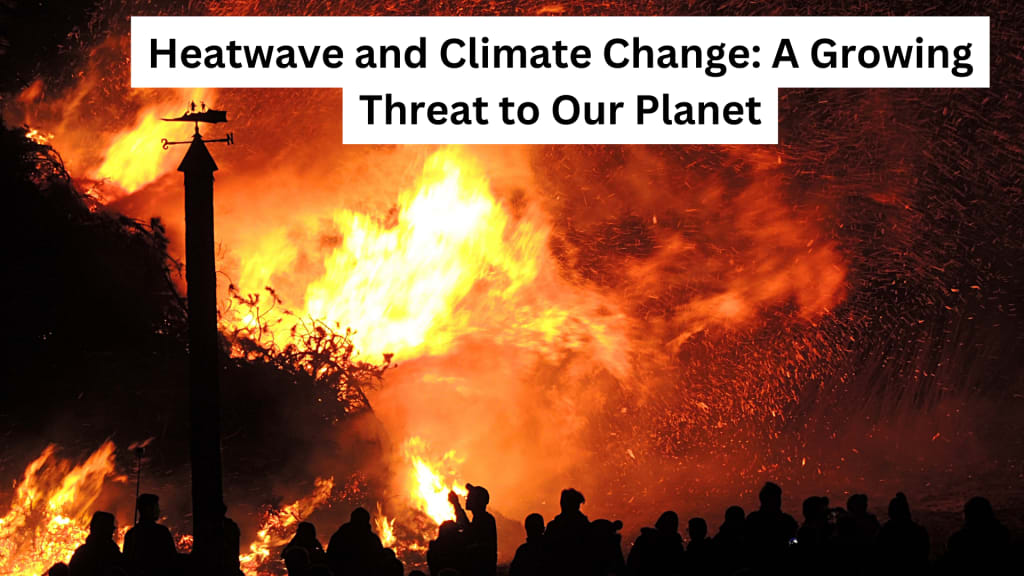
Heatwaves also have profound effects on the environment. They contribute to the loss of biodiversity as ecosystems struggle to adapt to rapidly changing conditions. Heat stress can lead to mass bleaching events in coral reefs, causing irreparable damage to these delicate marine ecosystems. Forests become more susceptible to wildfires during heatwaves, with devastating consequences for flora, fauna, and the release of carbon dioxide into the atmosphere. Moreover, heatwaves exacerbate the urban heat island effect, where concrete and asphalt absorb and radiate heat, making cities significantly hotter than surrounding rural areas.
Mitigation and Adaptation Strategies
Addressing the growing threat of heatwaves requires a multi-faceted approach that focuses on both mitigation and adaptation strategies. Mitigation involves reducing greenhouse gas emissions to slow down the rate of climate change. This can be achieved through transitioning to renewable energy sources, promoting energy efficiency, and implementing policies that support sustainable practices across sectors. Additionally, reforestation efforts and the preservation of natural habitats are crucial in sequestering carbon dioxide and mitigating the impacts of heatwaves.
Adaptation strategies aim to minimize the risks associated with heatwaves and build resilience in vulnerable communities. These strategies include implementing early warning systems, improving urban planning to reduce heat island effects, enhancing public health infrastructure, and promoting heatwave preparedness and response plans. International cooperation is vital to sharing knowledge, resources, and best practices in tackling heatwaves and their consequences.
Conclusion
Heatwaves, fueled by climate change, are becoming more frequent and intense, posing a significant threat to our planet and its inhabitants. The impacts on human health, agriculture, and the environment are profound and require urgent action. By mitigating greenhouse gas emissions and implementing adaptation strategies, we can reduce the severity of heatwaves and protect vulnerable communities. It is imperative that governments, businesses, and individuals work together to address this growing threat and ensure a sustainable and resilient future for generations to come.
About the Creator
Plantera Digital Media
welcome to my page here i share
- Stories
- Interesting facts about the world around us
- Thought-provoking theories about the nature of reality
- Useful information that can help people in their lives
Keep reading
More stories from Plantera Digital Media and writers in Earth and other communities.
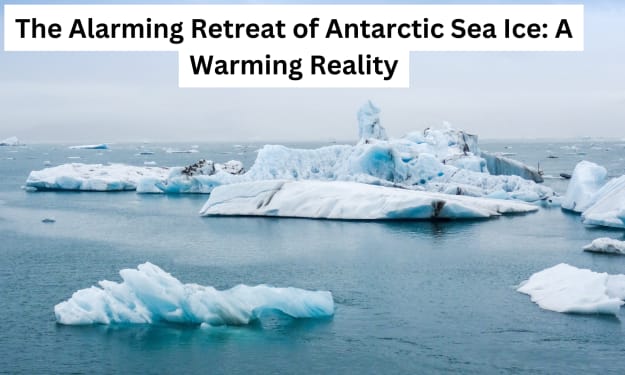
The Alarming Retreat of Antarctic Sea Ice: A Warming Reality
Introduction: Antarctica, the icy continent at the southernmost tip of our planet, is home to vast expanses of sea ice. For years, this frigid landscape has been considered a symbol of stability and resilience. However, recent scientific studies and satellite observations reveal a disturbing trend: Antarctic sea ice is melting at an alarming rate. The consequences of this unprecedented melting are far-reaching, affecting not only the delicate polar ecosystems but also global climate patterns. In this article, we delve into the causes, impacts, and potential solutions to address this concerning phenomenon.
By Plantera Digital Media 3 years ago in Earth
Why Greenland Matters for a Warming World
Greenland, the world’s largest island, often conjures images of endless ice, rugged landscapes, and isolation. Yet in the era of climate change, Greenland has become far more than a frozen wilderness—it is a critical player in understanding global warming, rising seas, and even geopolitical strategy. As scientists, policymakers, and nations increasingly focus on Greenland, the island offers a stark lesson: what happens in the Arctic does not stay in the Arctic. Its ice sheets, ecosystems, and resources affect the planet in ways that are profound, urgent, and far-reaching. Greenland’s Ice Sheets and Global Sea Levels The most visible and alarming aspect of Greenland’s global impact is its melting ice sheets. Greenland contains roughly 8% of the world’s fresh water, stored in massive ice sheets covering more than 1.7 million square kilometers. Over the past two decades, studies have shown that Greenland is losing ice at accelerating rates. According to NASA and the European Space Agency, Greenland’s ice loss contributes about 0.7 millimeters per year to global sea level rise. That might seem small, but every millimeter counts. If Greenland’s ice sheets were to melt completely—a scenario scientists consider extreme but possible under prolonged warming—sea levels could rise by over 20 feet, inundating coastal cities and displacing hundreds of millions of people worldwide. The ice melt also affects ocean currents and weather patterns. Freshwater from Greenland flows into the North Atlantic, disrupting the Atlantic Meridional Overturning Circulation (AMOC), a crucial component of the global climate system. Changes here could mean more severe storms in Europe, shifting monsoons in Asia, and hotter summers in North America. A Rapidly Warming Arctic Greenland is warming twice as fast as the global average. Scientists attribute this to Arctic amplification, where ice and snow loss reduce the Earth’s reflectivity (albedo), causing more heat absorption. The resulting feedback loop accelerates melting and affects local wildlife, indigenous communities, and global climate systems. Polar bears, Arctic foxes, seals, and migratory birds all face habitat changes, while Greenlandic communities see challenges in fishing, hunting, and infrastructure. Roads, airstrips, and settlements are increasingly vulnerable to permafrost thaw, floods, and landslides. For climate scientists, Greenland acts as a bellwether of global change, providing early warnings of trends that could eventually affect all continents. Greenland’s Geopolitical Significance Beyond climate, Greenland is gaining strategic attention from nations worldwide. Its location between North America and Europe, combined with its ice-free ports emerging in summer, makes it a hub for shipping, scientific research, and military strategy. The United States has historically maintained a military presence at Thule Air Base and monitors Greenland’s importance in Arctic defense. China has expressed interest in Arctic shipping lanes and mining opportunities, signaling potential economic and strategic competition. Denmark and Greenlandic authorities are navigating autonomy, resource development, and environmental protection, balancing sovereignty with global pressures. The melting ice, paradoxically, opens opportunities for mineral exploration, shipping, and scientific access, even as it poses serious environmental risks. Greenland has large deposits of rare earth minerals, uranium, and iron, all increasingly valuable in the global transition to clean energy and technology. Local Communities and Indigenous Voices The Greenlandic Inuit and other local communities are directly experiencing climate change. Traditional hunting and fishing practices are affected by shifting ice patterns, changing animal migration, and unpredictable weather. While global attention often focuses on ice melt and global impact, local voices emphasize sustainability, cultural preservation, and adaptive strategies. Many communities are exploring renewable energy, eco-tourism, and sustainable fisheries as ways to protect livelihoods while mitigating climate risks. Greenland and Global Climate Policy Greenland’s situation highlights the urgency of global action on climate change. The island illustrates several key lessons: Mitigation Matters: Reducing greenhouse gas emissions is critical to slowing ice loss and protecting sea levels. Adaptation Is Essential: Coastal cities worldwide must prepare for rising waters and changing weather patterns driven by Arctic changes. Scientific Research Is Vital: Greenland serves as a natural laboratory for studying climate, ice dynamics, and ocean circulation. Understanding its trends allows for more accurate modeling and forecasting worldwide. International collaboration, including research partnerships and climate agreements, is essential to ensure that Greenland’s ice sheets do not become a catastrophic tipping point. The Global Ripple Effect It’s easy to think of Greenland as distant, but its fate touches everyone: Rising seas threaten cities from New York to Tokyo. Ocean currents shifting from ice melt influence global climate patterns. Economic implications arise from shipping routes, resource access, and disaster mitigation costs. Greenland is not just an Arctic concern—it’s a global responsibility. How countries respond to its changes will influence the world for decades to come. Conclusion: Why the World Should Watch Greenland Greenland matters because it is a microcosm of our planet’s challenges. Its melting ice sheets remind us that climate change is already here. Its mineral wealth and strategic position show that human interests will increasingly collide with environmental imperatives. Its communities illustrate the human cost of warming and the resilience needed to adapt. For a warming world, Greenland is both a warning and a guidepost. Protecting its environment, respecting its people, and monitoring its ice are not just Arctic issues—they are global imperatives. The world cannot afford to ignore Greenland. Its future is inextricably linked to the health of our planet and the security, prosperity, and safety of populations everywhere.
By Muhammad Hassana day ago in Earth
Europe Hydro Turbine Market Size and Forecast 2025–2033
Introduction The Europe Hydro Turbine Market is projected to grow from US$ 542.44 million in 2024 to US$ 840.78 million by 2033, registering a compound annual growth rate (CAGR) of 4.99% during 2025–2033. This expansion is being powered by Europe’s accelerating investments in renewable energy, the modernization of aging hydropower infrastructure, and strong regulatory backing for low-carbon electricity generation across key countries such as Norway, France, Austria, and Switzerland.
By Marthan Sira day ago in Earth
Miss Persephone's Manual to a Seemingly Ordinary Life
Miss Persephone was found at the dining table, her blue eyes swollen, her tears arriving and retreating like the tides of the ocean. Earlier that day, her family had visited her in the retirement home where she had lived for eight years. It was her eightieth birthday.
By Imola Tótha day ago in Fiction


Comments
There are no comments for this story
Be the first to respond and start the conversation.