
Health and Wellness
A Holistic Approach to a Better Life

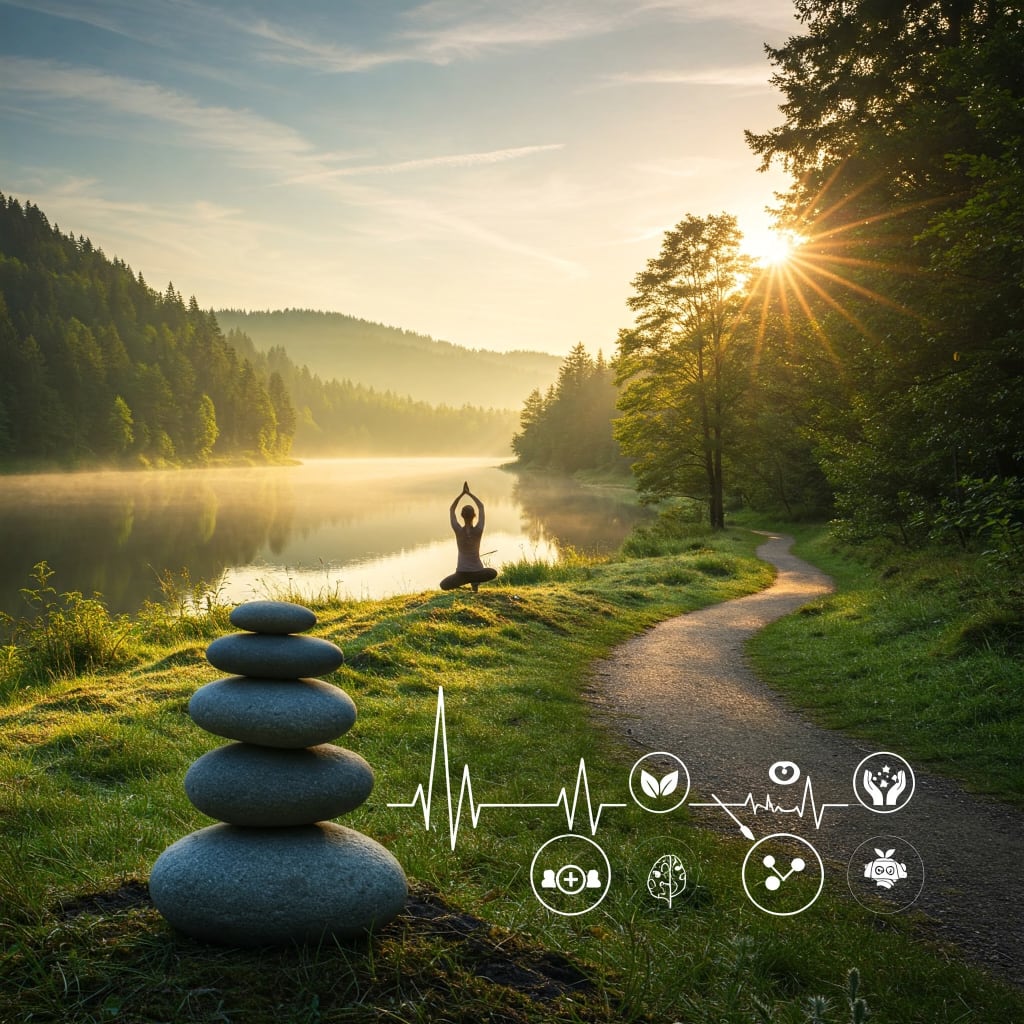
Health and Wellness: A Holistic Approach to a Better Life
In today's fast-paced and digitally driven world, the concepts of health and wellness have gained increasing relevance and urgency. These terms are often used interchangeably, yet they encompass distinct aspects of our physical, mental, emotional, and even spiritual well-being. As people become more conscious of the quality of their lives, there is a growing emphasis on not just living longer, but living better. Health and wellness go beyond the absence of illness—they represent a proactive and holistic approach to achieving a balanced, fulfilling life.
Understanding Health and Wellness
Health is traditionally defined as the state of being free from disease or injury. However, the World Health Organization (WHO) expands this definition to include “a state of complete physical, mental, and social well-being.” This broader view acknowledges that health is not simply the absence of disease, but a dynamic state that encompasses all aspects of life.
Wellness, on the other hand, is the active pursuit of activities, choices, and lifestyles that lead to a state of holistic health. It is self-directed and ever-evolving. Wellness is a process of becoming aware of and making choices toward a more successful existence. While health can be measured objectively (e.g., blood pressure, weight, lab results), wellness is more subjective and deeply personal.
The Dimensions of Wellness
To truly understand wellness, it’s important to consider its multidimensional nature. Most experts agree that wellness includes several interconnected domains:
Physical Wellness – Involves taking care of the body through exercise, nutrition, sleep, and regular medical checkups. It's about making healthy choices that support bodily function and longevity.
Emotional Wellness – Refers to understanding and managing one’s emotions. This includes coping effectively with stress, expressing emotions appropriately, and maintaining satisfying relationships.
Mental/Intellectual Wellness – Involves keeping the brain active through lifelong learning, problem-solving, creativity, and critical thinking.
Social Wellness – Emphasizes the importance of healthy relationships and community involvement. Humans are social beings, and meaningful connections significantly impact our well-being.
Spiritual Wellness – Relates to having a sense of purpose and meaning in life. This may or may not include religious beliefs, but it often involves inner peace, values, ethics, and morality.
Occupational Wellness – Reflects satisfaction and enrichment from one’s work. This involves finding purpose in your career, achieving work-life balance, and feeling respected and valued.
Environmental Wellness – Focuses on living in harmony with the Earth by understanding the impact of your interaction with nature and your personal environment.
Why Health and Wellness Matter
Investing in health and wellness can lead to numerous benefits that affect all areas of life. Physically, maintaining a healthy lifestyle can prevent chronic diseases such as heart disease, diabetes, and obesity. Emotionally and mentally, wellness practices can reduce stress, anxiety, and depression while boosting self-esteem, focus, and resilience.
Moreover, people who prioritize wellness tend to have better relationships, higher productivity, and greater life satisfaction. In a world where burnout and mental health issues are increasingly common, wellness offers a preventive and empowering path forward.
Practical Steps Toward Better Health and Wellness
Adopting a healthier lifestyle doesn't require drastic changes overnight. Instead, it’s about making consistent, sustainable improvements. Here are some practical steps:
1. Prioritize Nutrition
A balanced diet rich in fruits, vegetables, whole grains, lean proteins, and healthy fats can fuel the body and mind. Reducing processed foods, sugar, and excessive caffeine also contributes to better health.
2. Stay Physically Active
Regular exercise, whether it’s walking, swimming, yoga, or strength training, has countless benefits. It improves cardiovascular health, strengthens muscles, enhances mood, and even boosts cognitive function.
3. Get Adequate Sleep
Sleep is essential for recovery, immune function, and mental clarity. Most adults need 7-9 hours of quality sleep per night. Establishing a bedtime routine and limiting screen time before bed can improve sleep quality.
4. Practice Mindfulness and Stress Management
Techniques such as meditation, deep breathing, and journaling can help manage stress and increase emotional resilience. Even a few minutes a day can make a noticeable difference.
5. Foster Social Connections
Building and maintaining supportive relationships is key to emotional health. Make time for friends, family, and community activities that bring joy and meaning.
6. Schedule Regular Checkups
Preventive care through regular medical, dental, and vision checkups can catch potential issues early and promote long-term health.
7. Limit Harmful Substances
Avoiding or minimizing the use of tobacco, alcohol, and recreational drugs can significantly reduce health risks and promote overall wellness.
The Role of Technology in Health and Wellness
Technology is playing an increasingly important role in promoting wellness. From fitness trackers and meditation apps to telemedicine and AI-assisted diagnostics, digital tools are making it easier for people to monitor and improve their well-being. However, it's also important to balance tech usage, as excessive screen time can negatively affect sleep, posture, and mental health.
Overcoming Barriers
Despite the benefits of health and wellness, many people struggle to make it a priority due to time constraints, financial limitations, or lack of access to resources. Addressing these barriers requires a multi-faceted approach, including public health initiatives, workplace wellness programs, and community support systems.
Employers, schools, and governments all have a role to play in creating environments that support healthy lifestyles. From safe public spaces for exercise to affordable healthy food options, systemic changes are key to making wellness accessible to all.
Conclusion
Health and wellness are not destinations but lifelong journeys. They require ongoing attention, commitment, and self-awareness. By embracing a holistic approach and making intentional choices each day, individuals can enhance not only their own lives but also contribute to healthier families, communities, and societies. In an era marked by both incredible technological advancement and complex health challenges, prioritizing wellness is not just a personal benefit—it’s a collective necessity.
About the Creator
Saim Bill
I’m a passionate article writer who loves sharing ideas, stories, and insights with the world.
Global Polyethylene Market Size and Forecast 2025–2033: Growth Driven by Packaging, Infrastructure, and Sustainable Innovation
Introduction Polyethylene, the world’s most widely produced plastic polymer, continues to play a crucial role in modern industrial and consumer economies. From food packaging and construction materials to agricultural films and automotive components, polyethylene is deeply embedded in everyday life. Its lightweight nature, durability, versatility, and cost-effectiveness make it indispensable across numerous industries.
By Marthan Sirabout 15 hours ago in Earth
Why Greenland Matters for a Warming World
Greenland, the world’s largest island, often conjures images of endless ice, rugged landscapes, and isolation. Yet in the era of climate change, Greenland has become far more than a frozen wilderness—it is a critical player in understanding global warming, rising seas, and even geopolitical strategy. As scientists, policymakers, and nations increasingly focus on Greenland, the island offers a stark lesson: what happens in the Arctic does not stay in the Arctic. Its ice sheets, ecosystems, and resources affect the planet in ways that are profound, urgent, and far-reaching. Greenland’s Ice Sheets and Global Sea Levels The most visible and alarming aspect of Greenland’s global impact is its melting ice sheets. Greenland contains roughly 8% of the world’s fresh water, stored in massive ice sheets covering more than 1.7 million square kilometers. Over the past two decades, studies have shown that Greenland is losing ice at accelerating rates. According to NASA and the European Space Agency, Greenland’s ice loss contributes about 0.7 millimeters per year to global sea level rise. That might seem small, but every millimeter counts. If Greenland’s ice sheets were to melt completely—a scenario scientists consider extreme but possible under prolonged warming—sea levels could rise by over 20 feet, inundating coastal cities and displacing hundreds of millions of people worldwide. The ice melt also affects ocean currents and weather patterns. Freshwater from Greenland flows into the North Atlantic, disrupting the Atlantic Meridional Overturning Circulation (AMOC), a crucial component of the global climate system. Changes here could mean more severe storms in Europe, shifting monsoons in Asia, and hotter summers in North America. A Rapidly Warming Arctic Greenland is warming twice as fast as the global average. Scientists attribute this to Arctic amplification, where ice and snow loss reduce the Earth’s reflectivity (albedo), causing more heat absorption. The resulting feedback loop accelerates melting and affects local wildlife, indigenous communities, and global climate systems. Polar bears, Arctic foxes, seals, and migratory birds all face habitat changes, while Greenlandic communities see challenges in fishing, hunting, and infrastructure. Roads, airstrips, and settlements are increasingly vulnerable to permafrost thaw, floods, and landslides. For climate scientists, Greenland acts as a bellwether of global change, providing early warnings of trends that could eventually affect all continents. Greenland’s Geopolitical Significance Beyond climate, Greenland is gaining strategic attention from nations worldwide. Its location between North America and Europe, combined with its ice-free ports emerging in summer, makes it a hub for shipping, scientific research, and military strategy. The United States has historically maintained a military presence at Thule Air Base and monitors Greenland’s importance in Arctic defense. China has expressed interest in Arctic shipping lanes and mining opportunities, signaling potential economic and strategic competition. Denmark and Greenlandic authorities are navigating autonomy, resource development, and environmental protection, balancing sovereignty with global pressures. The melting ice, paradoxically, opens opportunities for mineral exploration, shipping, and scientific access, even as it poses serious environmental risks. Greenland has large deposits of rare earth minerals, uranium, and iron, all increasingly valuable in the global transition to clean energy and technology. Local Communities and Indigenous Voices The Greenlandic Inuit and other local communities are directly experiencing climate change. Traditional hunting and fishing practices are affected by shifting ice patterns, changing animal migration, and unpredictable weather. While global attention often focuses on ice melt and global impact, local voices emphasize sustainability, cultural preservation, and adaptive strategies. Many communities are exploring renewable energy, eco-tourism, and sustainable fisheries as ways to protect livelihoods while mitigating climate risks. Greenland and Global Climate Policy Greenland’s situation highlights the urgency of global action on climate change. The island illustrates several key lessons: Mitigation Matters: Reducing greenhouse gas emissions is critical to slowing ice loss and protecting sea levels. Adaptation Is Essential: Coastal cities worldwide must prepare for rising waters and changing weather patterns driven by Arctic changes. Scientific Research Is Vital: Greenland serves as a natural laboratory for studying climate, ice dynamics, and ocean circulation. Understanding its trends allows for more accurate modeling and forecasting worldwide. International collaboration, including research partnerships and climate agreements, is essential to ensure that Greenland’s ice sheets do not become a catastrophic tipping point. The Global Ripple Effect It’s easy to think of Greenland as distant, but its fate touches everyone: Rising seas threaten cities from New York to Tokyo. Ocean currents shifting from ice melt influence global climate patterns. Economic implications arise from shipping routes, resource access, and disaster mitigation costs. Greenland is not just an Arctic concern—it’s a global responsibility. How countries respond to its changes will influence the world for decades to come. Conclusion: Why the World Should Watch Greenland Greenland matters because it is a microcosm of our planet’s challenges. Its melting ice sheets remind us that climate change is already here. Its mineral wealth and strategic position show that human interests will increasingly collide with environmental imperatives. Its communities illustrate the human cost of warming and the resilience needed to adapt. For a warming world, Greenland is both a warning and a guidepost. Protecting its environment, respecting its people, and monitoring its ice are not just Arctic issues—they are global imperatives. The world cannot afford to ignore Greenland. Its future is inextricably linked to the health of our planet and the security, prosperity, and safety of populations everywhere.
By Muhammad Hassan5 days ago in Earth
Miss Persephone's Manual to a Seemingly Ordinary Life
Miss Persephone was found at the dining table, her blue eyes swollen, her tears arriving and retreating like the tides of the ocean. Earlier that day, her family had visited her in the retirement home where she had lived for eight years. It was her eightieth birthday.
By Imola Tóth5 days ago in Fiction


Comments
There are no comments for this story
Be the first to respond and start the conversation.