
The War in Ukraine and Its Geopolitical Consequences
How Russia's Invasion of Ukraine Is Reshaping Global Politics, Security, and Alliances

The War in Ukraine and Its Geopolitical Consequences
The war in Ukraine, which began in February 2022 when Russia invaded the country, has changed the world in many ways. What started as a regional conflict quickly turned into a global issue, with major political, economic, and security consequences. The war has not only brought suffering to the people of Ukraine, but it has also affected countries far beyond Europe. In this article, we will explore how the war began, what is happening now, and how it is shaping global politics and relationships between countries.
How the War Began
The roots of the war go back many years. Ukraine was once part of the Soviet Union, which broke apart in 1991. Since then, Ukraine has tried to become more connected to the West, especially the European Union (EU) and NATO, a military alliance led by the United States. Russia, however, sees Ukraine as part of its sphere of influence and does not want it to move closer to the West.
In 2014, Russia annexed Crimea, a part of Ukraine, and supported rebels in eastern Ukraine. This led to years of fighting in that region. Then, in February 2022, Russia launched a full-scale invasion of Ukraine, claiming it was necessary for its security. Most of the world, however, saw it as an unjustified attack on a sovereign nation.
Human and Economic Impact
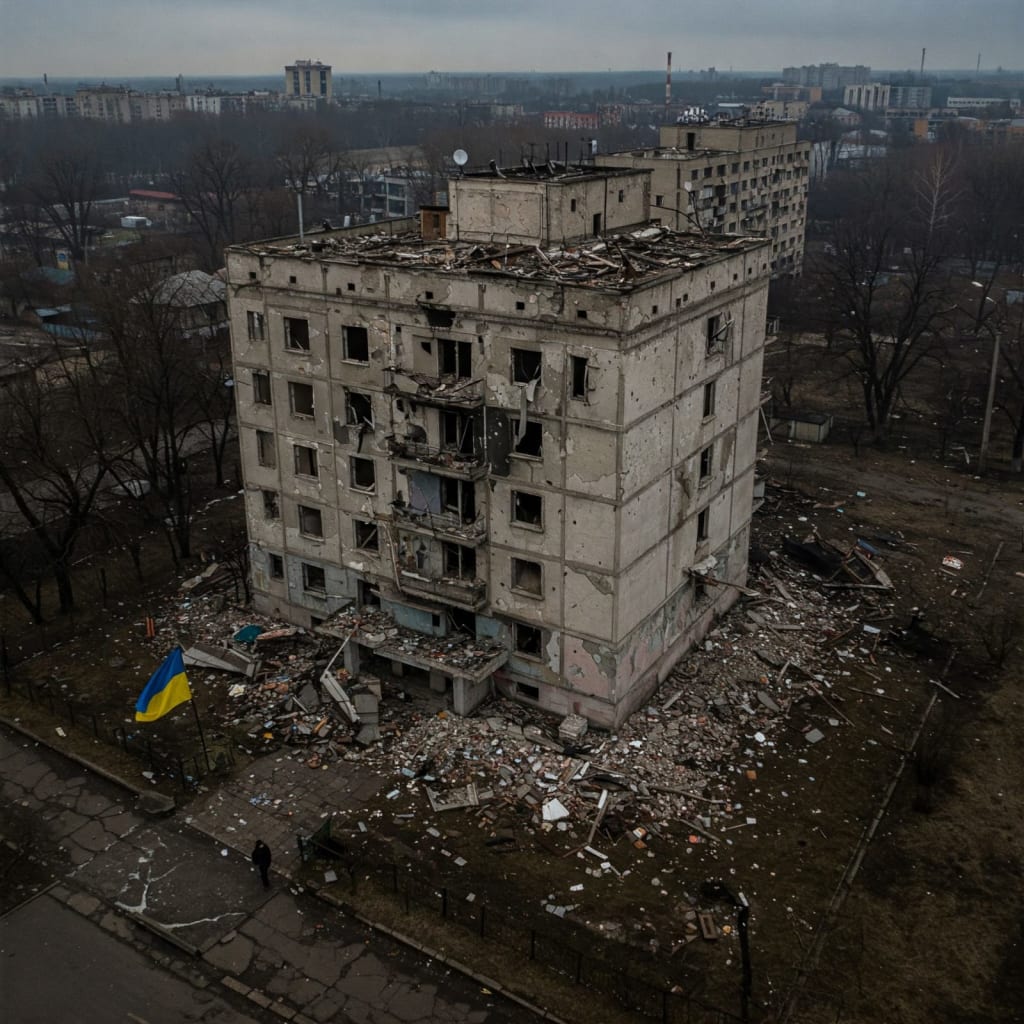
The war has caused a huge humanitarian crisis. Thousands of civilians have been killed, and millions have been forced to flee their homes. Many cities have been destroyed, and families have been separated. People in Ukraine are facing shortages of food, water, electricity, and medical supplies.
The economic impact has been felt around the world. Ukraine is a major exporter of grain, and the war has disrupted global food supplies. Countries in Africa and the Middle East, which depend on Ukrainian wheat, have seen rising food prices. The war has also affected energy markets. Russia is a big exporter of oil and gas, and the conflict has led to higher fuel prices in many countries.
Europe’s Security Concerns
One of the biggest geopolitical effects of the war is how it has changed Europe’s view of security. For many years, some European countries were reducing their military spending and focusing on trade. But the war in Ukraine reminded them that peace is not guaranteed.
As a result, countries like Germany and Poland have increased their defense budgets. NATO has become more united and active, and it is expanding. Finland and Sweden, which had stayed neutral for decades, decided to join NATO after seeing what happened in Ukraine. This shows how much the war has changed Europe's security landscape.
Russia’s Isolation and Shift Toward Asia
The war has also led to Russia becoming more isolated from the West. The United States, the EU, and other countries have placed tough sanctions on Russia. These include freezing assets, cutting off trade, and limiting Russia’s access to international financial systems. These actions aim to pressure Russia to stop the war, but they have also pushed Russia to look for new partners.
As a result, Russia has turned more toward Asia, especially China and India. These countries have continued to trade with Russia and have even bought more Russian oil and gas. While they have not openly supported the invasion, they have taken a neutral stance, avoiding direct criticism of Moscow. This shift is helping to create new alliances and changing the balance of power in the world.
The Role of the United States and NATO
The United States and its NATO allies have played a major role in supporting Ukraine. They have provided billions of dollars in weapons, training, and economic aid. This support has helped Ukraine resist the invasion and fight back against Russian forces.
At the same time, the war has brought NATO closer together. Before the war, some people questioned the purpose of NATO. Now, its importance is clear. Countries see it as a way to protect themselves from aggression. The war has also reminded the world that strong alliances are still needed in a dangerous world.
China’s Position and Global Strategy
China’s role in the conflict is also important to understand. While China has not directly supported Russia's invasion, it has criticized Western sanctions and supported the idea that Russia had legitimate security concerns. China is watching the war closely to see how the West responds and what it means for its own goals—especially regarding Taiwan.
The war in Ukraine has shown China how strong and united the Western response can be when one country invades another. This may affect how China plans its future actions in Asia and how it builds its relationships with other countries.
The Future of Global Alliances
The war in Ukraine is reshaping global alliances. Countries are choosing sides, and new partnerships are forming. The West—led by the U.S., the EU, and NATO—is working more closely together. On the other hand, countries like Russia, China, Iran, and North Korea are forming closer ties.
This could lead to a world with two main blocs—one led by the democratic West, and another made up of countries with different political systems and goals. This division may lead to more competition, not just in military terms, but also in trade, technology, and influence.
About the Creator
Saim Bill
I’m a passionate article writer who loves sharing ideas, stories, and insights with the world.
Chameleon: Nature’s Master of Disguise
Few creatures in the animal kingdom capture the imagination quite like the chameleon. Known for its ability to change color, its slow, deliberate movements, and its incredible eyes that move independently, the chameleon is one of nature’s most extraordinary reptiles. These small but remarkable creatures have inspired scientists, photographers, and animal lovers for centuries.
By Aarif Lashariabout 20 hours ago in Earth
Supreme Court to Review Monsanto’s Bid for Immunity in Roundup Lawsuits
The U.S. Supreme Court has agreed to review Monsanto’s appeal seeking immunity from lawsuits related to its popular herbicide, Roundup. This decision marks a critical moment for both the company and individuals claiming health damages from the chemical, which contains glyphosate—a substance under scrutiny for potential links to cancer. The review could have wide-reaching implications for corporate accountability, public health, and the legal landscape surrounding chemical products. Background on Roundup and Legal Challenges Roundup, a herbicide produced by Monsanto (now owned by Bayer), has been a staple in agriculture and home gardening for decades. Glyphosate, its active ingredient, was introduced as a highly effective solution for weed control. However, in recent years, scientific studies and lawsuits have raised concerns about its potential carcinogenic effects. Thousands of plaintiffs have claimed that exposure to Roundup caused non-Hodgkin lymphoma and other health issues. Numerous state and federal courts have seen extensive litigation, with some plaintiffs receiving multimillion-dollar verdicts. Monsanto has consistently defended the product, emphasizing that regulatory agencies worldwide have deemed glyphosate safe when used as directed. Monsanto’s Bid for Immunity Monsanto is appealing for legal immunity, arguing that its use of Roundup was regulated and approved by federal agencies, and therefore the company should not be held liable in civil lawsuits. The company contends that federal oversight should preempt individual claims, a legal doctrine known as federal preemption. In essence, Monsanto is asserting that because the Environmental Protection Agency (EPA) has evaluated and permitted glyphosate use, states or courts should not hold the company personally accountable for alleged harm. Why the Supreme Court’s Review Matters The Supreme Court’s decision to hear the case is significant for several reasons: Corporate Accountability: A ruling in favor of Monsanto could strengthen corporate defenses in cases where products are federally regulated, potentially limiting lawsuits against companies producing similar chemicals or pharmaceuticals. Public Health: Plaintiffs and advocacy groups argue that a corporate victory could undermine accountability for harmful products and reduce incentives for companies to rigorously test safety. Legal Precedent: The case could set a nationwide precedent regarding federal preemption, influencing how courts balance regulatory approval with civil liability. The Supreme Court’s interpretation could reshape the legal landscape for product liability and consumer protection in the United States. Stakeholder Perspectives Plaintiffs and Advocacy Groups For those affected by Roundup, the Supreme Court review is a critical opportunity to hold a powerful corporation accountable. Many plaintiffs argue that Monsanto failed to adequately warn users of the potential risks associated with glyphosate exposure. “People shouldn’t have to choose between using a product as intended and risking their health,” says Laura Mitchell, an attorney representing multiple plaintiffs in Roundup lawsuits. “A ruling that shields Monsanto from liability could leave victims without recourse.” Advocacy groups, such as environmental and cancer prevention organizations, emphasize that transparency and accountability are essential, particularly for chemicals widely used in agriculture and landscaping. Monsanto and Bayer Monsanto, now part of Bayer, maintains that Roundup is safe when used according to label instructions. Bayer has publicly stated that legal challenges have cost billions but that the company continues to stand behind its products. The firm argues that courts must respect federal regulatory authority to avoid creating conflicting standards between federal law and state-level lawsuits. “If companies could be held liable despite following federal regulations, it would set a concerning precedent for innovation and regulatory compliance,” a Bayer spokesperson said. Broader Implications The Supreme Court review has implications far beyond Monsanto and Roundup: Agricultural Industry: Glyphosate and similar herbicides are widely used in crop production. Legal outcomes could influence labeling, usage guidelines, and liability risk for other companies in agriculture. Consumer Products: The ruling could affect cases involving pharmaceuticals, chemicals, and other regulated products, particularly when federal agencies approve them. Regulatory Authority vs. Civil Liability: The decision may clarify the balance between federal oversight and state-level tort claims, potentially shaping how courts interpret the limits of corporate immunity. Previous Court Decisions Lower courts have issued mixed rulings in Roundup lawsuits. Some courts awarded substantial damages to plaintiffs, while others limited awards or found in favor of Monsanto. These inconsistent outcomes underscore the complexity of balancing scientific evidence, regulatory approval, and legal responsibility. Federal appeals courts have previously sided with both sides in separate cases, making Supreme Court intervention necessary to establish uniform legal standards nationwide. Public and Media Reaction Media coverage of Monsanto’s legal challenges has been extensive, reflecting public concern over chemical safety and corporate responsibility. Many reports highlight the tension between regulatory approvals and individual health claims, questioning whether federal endorsements automatically protect companies from lawsuits. Public sentiment is divided. Supporters of corporate immunity argue that companies need protection to operate and innovate without fear of excessive litigation. Opponents worry that such immunity could prioritize corporate interests over public health. What to Expect The Supreme Court will now evaluate key questions: Does federal regulatory approval preempt state-level claims of harm? Can companies be held liable even if they followed federal guidelines? How should courts balance scientific uncertainty with civil justice? The decision, expected within the next year or two, will be closely watched by lawyers, plaintiffs, corporations, and advocacy groups alike. Conclusion The Supreme Court’s review of Monsanto’s bid for immunity in Roundup lawsuits represents a landmark moment in American legal history. The case has the potential to redefine corporate liability, influence public health policy, and set precedent for future disputes involving federally regulated products. For plaintiffs, the stakes are deeply personal—seeking justice for alleged health impacts caused by widespread chemical exposure. For Monsanto and other corporations, the outcome could determine the limits of accountability in a regulated marketplace. As the Supreme Court deliberates, the nation watches closely, recognizing that the ruling will resonate far beyond Monsanto, affecting consumers, companies, and the broader debate over safety, regulation, and responsibility in the United States.
By Muhammad Hassan3 days ago in Earth



Comments
There are no comments for this story
Be the first to respond and start the conversation.