
Hatteras Island
Where untamed beauty, deep-rooted history, and coastal resilience meet

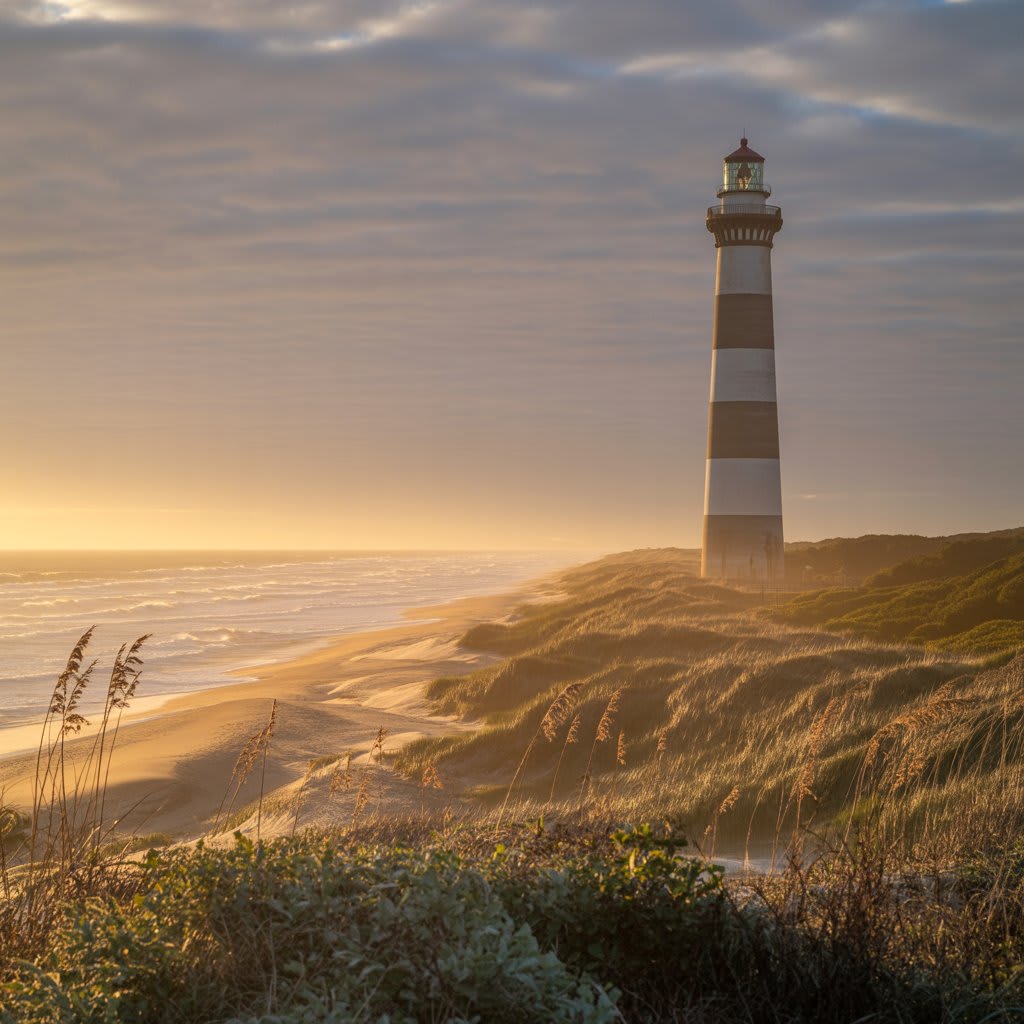
There are beaches in America—and then there is Hatteras Island. This slender, windswept barrier island, part of North Carolina’s famed Outer Banks, is more than just a vacation spot. It’s a place where history, culture, and natural wonders collide. It’s where shipwrecks whisper stories through the tides, where wild ponies roam dunes carved by centuries of storms, and where small fishing communities cling to their traditions despite the relentless forces of wind and sea.
Hatteras Island isn’t just beautiful—it’s wild, unpredictable, and alive. While most beaches feel like polished playgrounds for tourists, Hatteras offers something deeper: a raw connection to nature and history that forces you to slow down, breathe, and pay attention.
In this long-form guide, we’ll explore everything that makes Hatteras Island so captivating—its history, its people, its breathtaking landscapes, and the growing challenges it faces in the 21st century. Whether you’re a traveler, a nature lover, or someone simply drawn to coastal stories, Hatteras will leave a mark on your imagination.
A Barrier Island Like No Other
Hatteras Island stretches for nearly 50 miles along the Atlantic coast, forming part of the Cape Hatteras National Seashore. Unlike other polished beach towns, the island retains much of its untamed wilderness. Towering sand dunes, ever-shifting in shape, guard the coastline. Salt marshes spread inland, rich with herons, egrets, and crabs. And beyond the beaches lies the turbulent sea that both sustains and threatens life on the island.
Barrier islands like Hatteras are nature’s shock absorbers—they take the brunt of storms, hurricanes, and rising seas to protect the mainland. But this also means they are constantly changing. What you see this summer may not be there next year. Roads get washed out, dunes collapse, and inlets form overnight. For the people who live here, change isn’t a threat. It’s a way of life.
The Graveyard of the Atlantic
Perhaps the most famous (and infamous) legacy of Hatteras Island lies just offshore. The waters surrounding the island are known as the “Graveyard of the Atlantic”—a name earned by the more than 2,000 shipwrecks scattered beneath the waves.
For centuries, shifting sandbars, treacherous currents, and violent storms made these waters deadly for sailors. From Spanish galleons to Civil War ironclads to modern freight ships, countless vessels met their end off Cape Hatteras.
One of the most famous wrecks was the USS Monitor, the Union Navy’s revolutionary ironclad warship, which sank here in 1862. Today, divers and historians continue to explore these wrecks, preserving stories of bravery, tragedy, and innovation.
The Graveyard of the Atlantic Museum, located in Hatteras Village, showcases artifacts from shipwrecks and tells the tale of maritime survival, piracy, and the coastal communities that depended on the sea. For history lovers, it’s a must-visit.
Cape Hatteras Lighthouse: America’s Tallest Beacon
No story about Hatteras Island is complete without mentioning the Cape Hatteras Lighthouse. Standing at 210 feet, it is the tallest brick lighthouse in the United States and a symbol of resilience against the sea.
Built in 1870 to warn sailors of the treacherous Diamond Shoals, the lighthouse has guided ships for over a century. But the ocean it guards against has always threatened it. In 1999, rising seas forced a daring engineering feat: the entire lighthouse was moved 2,900 feet inland to protect it from erosion.
Today, visitors can climb the 257 steps to the top for a panoramic view of the Atlantic and the Outer Banks. The lighthouse is more than a structure—it’s a reminder of the delicate balance between man and nature.
The Culture of Coastal Communities
Hatteras Island is home to several small villages: Rodanthe, Waves, Salvo, Avon, Buxton, Frisco, and Hatteras Village. Each has its own personality, but together they embody the rugged independence of coastal life.
The people here are descendants of fishermen, sailors, and lifesavers—many of whom risked their lives in stormy seas to rescue shipwreck survivors. The U.S. Life-Saving Service, the precursor to the Coast Guard, was deeply rooted in Hatteras. Stories of heroic rescues still echo in local folklore.
Fishing remains central to island culture. Generations of families make their living from the sea, harvesting bluefish, drum, tuna, and shrimp. Community fish fries, boat parades, and seafood festivals highlight the enduring bond between islanders and the ocean.
There’s also a unique dialect, sometimes called the “Hoi Toider” accent, which sounds like a blend of Elizabethan English and Southern drawl. It’s fading today but remains a fascinating marker of the island’s isolation and history.
Natural Wonders and Outdoor Adventures
Hatteras Island isn’t just about history—it’s a playground for nature lovers. Whether you’re into surfing, birdwatching, or simply lying on the sand, the island offers something unforgettable.
Surfing & Kiteboarding: The waves off Hatteras are legendary. Surfers flock here for consistent breaks, while kiteboarders harness the winds on Pamlico Sound.
Fishing: From pier fishing in Avon to offshore charters chasing marlin, fishing opportunities are endless.
Wildlife Watching: Hatteras is part of the Atlantic Flyway, making it a hotspot for migratory birds. Sea turtles also nest on its beaches every summer.
Camping: Cape Hatteras National Seashore offers campsites where you can fall asleep to the sound of crashing waves.
Stargazing: With little light pollution, the night skies here are breathtaking. The Milky Way stretches across the horizon, reminding you just how small we are in the universe.
The Pounding Force of Nature
As beautiful as Hatteras Island is, it faces immense challenges. Rising sea levels and stronger hurricanes threaten its very existence. Each year, storms chew away at the coastline, flood roads, and isolate villages. Highway 12, the island’s only road, is frequently washed out by storm surges.
Scientists warn that barrier islands like Hatteras are among the most vulnerable places in America. Erosion isn’t a question of if—it’s a question of when. For residents, this means a future of constant adaptation, relocation, and resilience.
Yet, islanders remain fiercely devoted to their home. As one local fisherman once said, “The sea gives, and the sea takes. But it’s ours. Always has been. Always will be.”
Why Travelers Keep Coming Back
So why does Hatteras Island captivate so many visitors each year? The answer lies in its raw authenticity. Unlike Myrtle Beach or Virginia Beach, Hatteras doesn’t cater to mass tourism. It’s slower, quieter, and more connected to the elements.
Visitors come for:
The solitude of empty beaches stretching for miles.
The adventure of surfing, fishing, and kayaking.
The history woven into every dune, dock, and lighthouse.
The sense of community in small villages.
The reminder that nature—not humans—sets the rules here.
It’s a place that makes you feel alive. A place that strips away distractions and forces you to pay attention to the wind in your hair, the salt on your lips, and the stars overhead.
Conclusion: The Future of Hatteras
Hatteras Island is at a crossroads. It’s both fragile and enduring, threatened and thriving. For travelers, it offers a chance to witness something rare in today’s world—a coastline still wild, still untamed, still writing its own story.
To walk the beaches of Hatteras is to walk through history and into the raw pulse of nature. Whether you come to climb the lighthouse, fish the waters, or simply breathe the salty air, Hatteras promises not just a trip but a transformation.
As storms grow stronger and seas rise higher, the island may one day look very different. But for now, Hatteras stands proud—a testament to resilience, beauty, and the eternal dance between land and sea.
About the Creator
Muhammad Sabeel
I write not for silence, but for the echo—where mystery lingers, hearts awaken, and every story dares to leave a mark
Keep reading
More stories from Muhammad Sabeel and writers in Earth and other communities.
NASA Is Already Prepping To Build Trump A Nuclear Reactor On The Moon
This week NASA administrator Sean Duffy declared the Trump Administration's intention to land a working nuclear fission reactor on the moon by the end of the decade. “We're in a race to the moon, in a race with China to the moon,” Duffy said.
By Muhammad Sabeel7 months ago in Earth



Comments
There are no comments for this story
Be the first to respond and start the conversation.