
Harnessing the Power of Renewable Energy: A Sustainable Future
Powering the Future: Embracing Renewable Energy Solutions for a Sustainable World
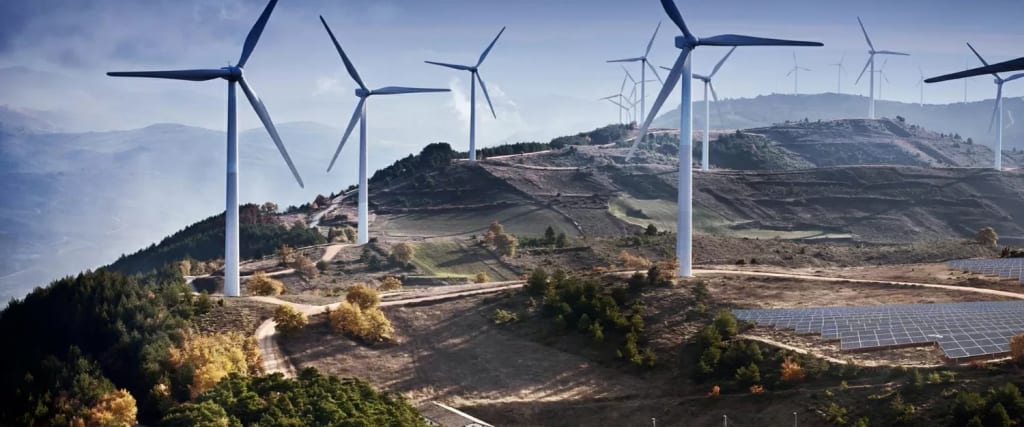
In recent years, the global community has witnessed a remarkable shift towards renewable energy solutions as the world grapples with the challenges of climate change and the need for sustainable development. Renewable energy sources, such as solar, wind, hydropower, and geothermal energy, have emerged as vital alternatives to fossil fuels, offering cleaner, more sustainable options for meeting our energy demands. In this article, we will explore the significance of renewable energy solutions and delve into some of the most promising technologies driving this global transition.
The Urgency of Renewable Energy:
The urgency to embrace renewable energy stems from the mounting evidence of climate change, ecosystem degradation, and the depletion of finite fossil fuel reserves. As we strive to reduce greenhouse gas emissions and mitigate the adverse effects of climate change, renewable energy stands as a beacon of hope. Unlike fossil fuels, renewable energy sources produce little to no carbon emissions during operation, making them a crucial tool in combating global warming and air pollution.
Solar Energy:
Solar power, one of the fastest-growing renewable energy sources, harnesses the sun's energy through photovoltaic (PV) cells or concentrated solar power (CSP) systems. The falling costs of solar panels, coupled with technological advancements, have made solar energy increasingly accessible. From rooftop installations to large-scale solar farms, solar energy offers a sustainable solution for electricity generation, reducing reliance on fossil fuels and contributing to a greener grid.
Wind Energy:
Wind energy has also witnessed significant growth, with wind turbines dotting landscapes across the globe. Harnessing the power of wind, these turbines generate clean electricity that can power homes, businesses, and even entire communities. Continued innovation has led to the development of more efficient and powerful turbines, capable of capturing wind energy even in low-wind regions. Offshore wind farms have also gained traction, taking advantage of strong coastal winds to produce substantial amounts of renewable energy.
Hydropower:
Hydropower, derived from flowing or falling water, has long been a reliable source of renewable energy. Hydroelectric power plants convert the kinetic energy of moving water into electricity, supplying a considerable share of the world's energy needs. Large-scale hydroelectric dams provide a stable and consistent energy source, while smaller run-of-river systems have minimal environmental impact. However, careful consideration must be given to the ecological effects and displacement of communities when constructing large dams.
Geothermal Energy:
Geothermal energy taps into the Earth's heat stored beneath the surface, offering a steady and sustainable power source. By utilizing hot water or steam from geothermal reservoirs, geothermal power plants generate electricity and provide direct heating and cooling for buildings. Geothermal energy is reliable, available 24/7, and emits minimal greenhouse gases, making it a promising solution for both electricity generation and heating applications.
The Path to a Sustainable Future:
Transitioning to a renewable energy future requires not only technological advancements but also supportive policies, investment, and public awareness. Governments, businesses, and individuals must collaborate to accelerate the deployment of renewable energy solutions. Policies that incentivize renewable energy investments, promote research and development, and facilitate the integration of renewables into existing energy systems are essential for progress.
Furthermore, advancements in energy storage technologies are crucial to overcome the intermittent nature of renewable energy sources. Battery storage, pumped hydro storage, and emerging technologies like hydrogen fuel cells play a pivotal role in balancing energy supply and demand, ensuring a reliable and resilient renewable energy grid.
Conclusion:
Renewable energy solutions are no longer a distant dream but a tangible reality that holds the key to a sustainable future. Solar, wind, hydropower, and geothermal energy offer cleaner alternatives to fossil fuels, reducing carbon emissions and mitigating climate change. As governments, businesses, and individuals embrace renewable energy technologies, we pave the way for a greener, more sustainable world, where clean and abundant energy is accessible to all. Together, let us harness the power of renewable energy and shape a brighter tomorrow.
About the Creator
AdoTopics
I am a young typist from the Czech Republic
‘We Are Heartbroken’: The Traitors Winner Rachel Duffy Announces the Death of Her Mum
A Heartbreaking Announcement Rachel Duffy, the recent winner of The Traitors, has announced the death of her mother, sharing the deeply personal news with fans in an emotional statement. Known for her resilience, intelligence, and warmth on the hit TV show, Duffy revealed that her family is “heartbroken” as they grieve a profound loss.
By Aarif Lashari7 days ago in Earth


Comments
There are no comments for this story
Be the first to respond and start the conversation.