
Advancements in Electric Vehicles: Paving the Way for a Sustainable Future
Driving Towards a Sustainable Revolution
As the world grapples with the urgent need to address climate change and reduce carbon emissions, advanced electric vehicles (EVs) have emerged as a promising solution to revolutionize the transportation sector. With their eco-friendly features, improved performance, and increasing affordability, EVs are gaining significant traction as a viable alternative to traditional internal combustion engine vehicles. In this article, we explore the advancements in electric vehicles and their potential to shape a more sustainable future.
Extended Range:
One of the key challenges facing early electric vehicles was limited range. However, advancements in battery technology have significantly improved the driving range of EVs. Lithium-ion batteries, solid-state batteries, and other innovations are enabling EVs to achieve impressive ranges, alleviating "range anxiety" and making them more practical for daily use and long-distance travel.
Rapid Charging Infrastructure:
The expansion of charging infrastructure is vital for the widespread adoption of electric vehicles. In recent years, governments, businesses, and industry players have been investing heavily in the development of fast-charging networks. High-power chargers can now replenish EV batteries at an astonishing rate, providing drivers with the convenience of quick charging during long trips.
Enhanced Performance:
Advanced electric vehicles are not only eco-friendly but also offer exhilarating performance. Electric motors deliver instant torque, providing quick acceleration and a smooth driving experience. Manufacturers are pushing the boundaries of EV performance, creating high-performance electric sports cars and even electric supercars that rival their gasoline-powered counterparts in terms of speed and acceleration.
Intelligent Connectivity:
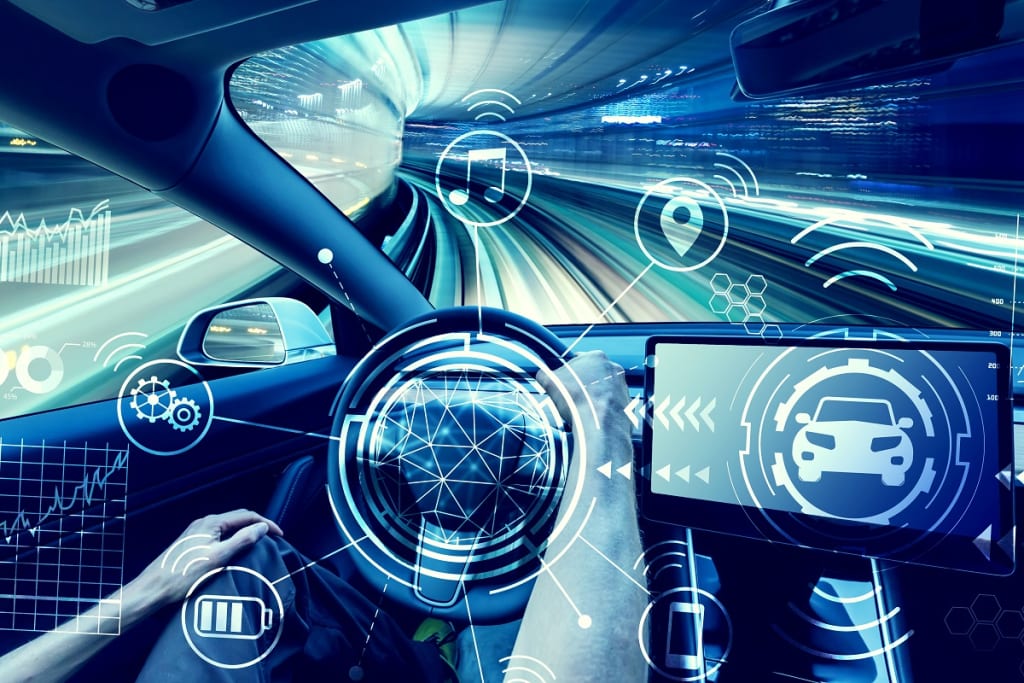
Modern electric vehicles are embracing the concept of intelligent connectivity. They are equipped with advanced infotainment systems, voice recognition, and smartphone integration features. These smart features enable seamless integration with navigation apps, remote monitoring, and real-time vehicle diagnostics. Additionally, EVs can interact with smart homes and energy grids, optimizing energy consumption and promoting a greener lifestyle.
Autonomous Driving Capabilities:
Electric vehicles are at the forefront of autonomous driving technology. The integration of advanced sensors, artificial intelligence, and machine learning algorithms allows EVs to navigate and drive autonomously. Self-driving electric vehicles have the potential to revolutionize transportation, enhancing safety, reducing traffic congestion, and optimizing energy efficiency.
Sustainable Materials and Manufacturing:
To align with their eco-friendly image, electric vehicles are increasingly being manufactured using sustainable materials and production methods. Automakers are exploring alternatives to traditional manufacturing processes, adopting recycling practices, and utilizing renewable energy sources in production facilities. These efforts contribute to reducing the carbon footprint associated with the manufacturing and disposal of electric vehicles.
Electrification of Public Transportation:
Beyond personal vehicles, the electrification of public transportation is gaining momentum. Electric buses, trams, and trains are being deployed in cities worldwide, offering quieter operation, zero tailpipe emissions, and improved air quality. This transition to electric public transportation not only benefits the environment but also provides a more comfortable and sustainable commuting experience for passengers.
Integration with Renewable Energy Sources:
Electric vehicles can play a crucial role in the integration of renewable energy sources into the power grid. Through vehicle-to-grid (V2G) technology, EVs can store excess electricity during periods of low demand and feed it back into the grid during peak hours. This bidirectional energy flow helps stabilize the grid, support renewable energy integration, and maximize the use of clean energy sources.
Cost Reduction:
While electric vehicles have historically been associated with higher upfront costs, advancements in technology and economies of scale are driving down prices. Increasing demand, government incentives, and improvements in battery production have resulted in a significant reduction in the cost of electric vehicles. As prices become more competitive with conventional vehicles, EVs are becoming an increasingly attractive option for consumers.
Environmental Benefits:
The primary advantage of electric vehicles lies in their positive environmental impact. By eliminating tailpipe emissions, EVs contribute to cleaner air, reduced greenhouse gas emissions, and decreased dependence on fossil fuels. The widespread adoption of electric vehicles has the potential to significantly mitigate the harmful effects of climate change and create a sustainable future for generations to come.
Conclusion:
Advanced electric vehicles are transforming the way we think about transportation, offering a sustainable and efficient alternative to traditional vehicles. With improvements in battery technology, charging infrastructure, performance, and cost reduction, EVs are poised to become the vehicles of choice for environmentally conscious consumers. As the world continues to prioritize sustainability, electric vehicles represent a significant step forward in achieving a greener and more sustainable future.
About the Creator
AdoTopics
I am a young typist from the Czech Republic
Instructions Included Challenge Winners
For the Instructions Included challenge, we asked writers to tell a story through instructions and to trust the form to carry what could not be said outright. Across the top entries, that trust paid off in many different ways.
By Vocal Curation Team5 days ago in Resources


Comments
There are no comments for this story
Be the first to respond and start the conversation.