
Growth characteristics of life
Growth Patterns and Characteristics
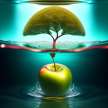

The growth characteristics of life can be broadly described by seven key traits known as the characteristics of life. These characteristics are shared by all living organisms and help define what is considered alive. Here are the growth-related characteristics of life:
Cellular Organization: All living organisms are composed of one or more cells. Cells are the basic structural and functional units of life and are responsible for growth, reproduction, and carrying out essential life processes.
Reproduction: Living organisms have the ability to reproduce, either sexually or asexually, to generate offspring. Reproduction allows for the perpetuation of species and the passing on of genetic information from one generation to the next.
Metabolism: Metabolism refers to the chemical processes that occur within cells to obtain and utilize energy from the environment. It involves the conversion of nutrients into usable forms of energy for growth, repair, and other life-sustaining activities.
Homeostasis: Living organisms maintain a relatively stable internal environment through the process of homeostasis. They regulate various physiological parameters, such as temperature, pH, and nutrient levels, to ensure optimal conditions for growth and survival.
Growth and Development: Living organisms exhibit growth, which involves an increase in size or number of cells. Growth is accompanied by the development of specialized structures and functions that allow the organism to mature and adapt to its environment.
Response to Stimuli: Organisms are capable of responding to stimuli in their environment. They can detect and react to changes in light, temperature, touch, or other external or internal cues, allowing them to adapt and survive.
Evolution and Adaptation: Living organisms have the capacity to evolve over time through the process of natural selection. They can adapt to changes in their environment, developing new traits that enhance their survival and reproductive success.
These growth characteristics of life are interconnected and mutually dependent. They collectively define what it means to be alive and enable organisms to grow, reproduce, and adapt to their surroundings.

The growth characteristics of life, in a broad sense, encompass the fundamental aspects that define the growth and development of all living organisms on Earth. These characteristics are essential for the continuity and perpetuation of life. Here are some key growth characteristics of life:
Cellular Organization: All living organisms are composed of one or more cells. Cells are the basic units of life, and their organization and specialization enable the functioning and growth of living systems.
Metabolism: Life relies on biochemical reactions and processes collectively known as metabolism. Metabolism includes anabolism (building up complex molecules) and catabolism (breaking down complex molecules) to sustain life, grow, and reproduce.
Homeostasis: Living organisms maintain a stable internal environment, despite changes in the external surroundings, through processes of homeostasis. This ability allows organisms to regulate internal conditions critical for survival and growth.
Growth and Development: All living organisms exhibit growth and development throughout their lifespan. Growth involves an increase in size or cell number, while development refers to the maturation and differentiation of cells and tissues into specialized structures.
Reproduction: Reproduction is a fundamental characteristic of life that ensures the continuation of species. Living organisms can produce offspring through asexual or sexual reproduction.
Response to Stimuli: Living organisms can respond to various internal and external stimuli. They exhibit behaviors or physiological changes in reaction to their environment, allowing them to adapt and survive.
Adaptation and Evolution: Life has the ability to adapt to changing environmental conditions over generations. This adaptation, combined with genetic mutations and natural selection, drives the process of evolution.
DNA and Heredity: All living organisms store genetic information in the form of DNA (or RNA in some viruses). DNA carries the hereditary traits from one generation to the next, passing on genetic characteristics that shape an organism's growth and development.
Energy Utilization: Life depends on the acquisition and utilization of energy to carry out various cellular and physiological processes. Energy is obtained through food (in heterotrophs) or sunlight (in autotrophs) and is converted into usable forms for cellular functions.
Mortality and Mortality: All living organisms have a finite lifespan, and eventually, they die. Mortality is a natural part of the life cycle, allowing space and resources for the new generation.
These growth characteristics are universal and apply to all known forms of life on Earth. The study of these fundamental traits helps us understand life's complexity and diversity and provides insights into the interconnectedness of living organisms and their environments.
About the Creator
Barnabas Payam
I write my writings humorously, poetically and artistically about the changes in the spiritual condition of human beings to live peacefully and cheerfully.
Keep reading
More stories from Barnabas Payam and writers in Earth and other communities.
The Universe That Dreams Us
For centuries, humanity believed the universe was expanding. Galaxies drifting farther apart. Space stretching endlessly like an invisible fabric. The theory had been supported by decades of observations, especially from the famous Hubble Space Telescope, which showed distant galaxies moving away from Earth in every direction.
By Abubakar2204 days ago in Earth



Comments
There are no comments for this story
Be the first to respond and start the conversation.