
Green Warriors: How Plants Are Cleaning Our Toxic Earth
How plants are cleaning our toxic earth

Heavy metals like lead, cadmium, mercury, and arsenic silently build up in our soils through decades of industrial waste, mining, and unsustainable farming practices. These elements don’t just stay in the dirt—they seep into water, food chains, and ultimately, our bodies. They damage organs, cause developmental issues, and threaten entire ecosystems. But in the face of this pollution crisis, nature offers an unexpected hero: plants.
Welcome to the world of phytoremediation—a cutting-edge green technology where plants act as living filters, detoxifying contaminated environments with nothing but sunlight, roots, and time.
What is Phytoremediation?
Phytoremediation is the use of special plants—called hyperaccumulators—to absorb, trap, or transform toxic elements from soil, water, or air. Some of these plants store metals in their stems or leaves, while others prevent the spread of contaminants by stabilizing them underground.
Once mature, these "toxic harvests" are carefully collected and treated as hazardous waste—or even processed to recover valuable metals, a technique known as phytomining.
How Does It Work? Three Main Mechanisms:
- Phytoextraction: Plants absorb contaminants through their roots and store them in above-ground parts.
- Example: Sunflowers that soak up uranium or lead.
- Phytostabilization: Root systems release compounds that immobilize toxins in the soil, preventing them from spreading to water sources or other plants.
- Example: Willow trees are great at locking down cadmium and chromium.
- Rhizodegradation: Plant roots release nutrients that stimulate microbial activity in the soil, helping bacteria break down organic pollutants.
A natural partnership between flora and microbes.
Nature’s Top 5 Cleanup Crew
Let’s meet the superplants on the front lines of this green revolution:
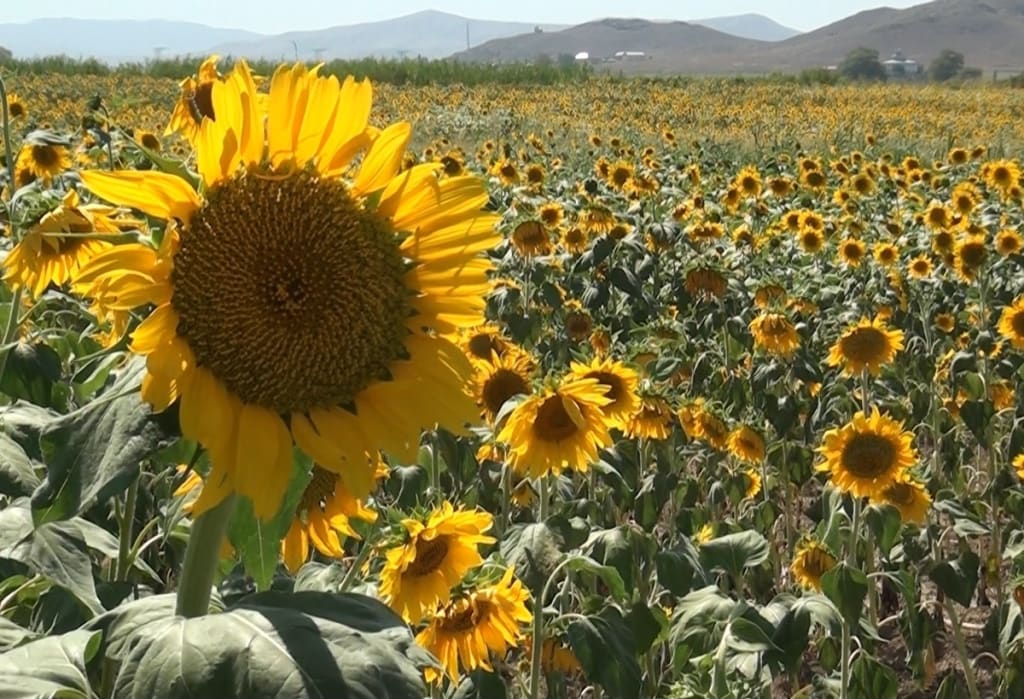
Sunflower (Helianthus annuus)
Famous for bright blooms, these plants also remove uranium, lead, and zinc. After the Chernobyl disaster, sunflowers helped cut cesium-137 levels by 40% in just two years.
Willow (Salix spp.)
Deep roots and rapid growth make willows ideal for stabilizing contaminated sites. In Germany, willows planted in abandoned industrial areas reduced cadmium levels from 45 mg/kg to just 5 mg/kg over five years.
Indian Mustard (Brassica juncea)
A champion lead-absorber. In China, it’s used to clean polluted rice fields, slashing lead content in rice by 90%.
Chinese Brake Fern (Pteris vittata)
The only known plant that hyperaccumulates arsenic. In Bangladesh—where millions drink arsenic-laced groundwater—these ferns lowered soil arsenic levels from 150 ppm to 20 ppm in just two growing seasons.
Genetically Modified Poplar Trees
Engineered for even greater detox power, these trees absorb mercury and organic solvents. In California, they removed 90% of trichloroethylene (TCE) from groundwater within three years.
Real-World Success Stories
1. Chernobyl, Ukraine
Following the 1986 nuclear disaster, thousands of sunflowers and rapeseed plants were planted in the exclusion zone. Over 10 years, they cut levels of strontium-90 by 95% and cesium-137 by 80%. The contaminated biomass was safely turned into biochar.
2. Ruhr Valley, Germany
Once home to coal mines, the region suffered from massive zinc and cadmium pollution. With a mix of willows and grasses, metal concentrations dropped dramatically—zinc from 2,500 mg/kg to 300 mg/kg, cadmium from 50 mg/kg to 4 mg/kg in seven years.
3. Guangzhou, China
Cadmium-contaminated rice paddies were rehabilitated using water hyacinths. After two years, soil cadmium fell from 5.6 mg/kg to just 0.3 mg/kg, and rice grown there became safe to eat again.
4. California, USA
A defunct battery plant had left the land laced with lead. Scientists planted engineered poplar trees, which removed 98% of the lead in four years. The wood was later converted into clean-burning biofuel.
The Pros and Cons of Phytoremediation
Advantages:
- Affordable: Up to 20 times cheaper than traditional soil removal, costing roughly $2,500–$6,000 per hectare.
- Non-invasive: No need for heavy excavation or machinery.
- Eco-friendly: Enhances biodiversity and soil health during remediation.
- Perfect for remote locations: Requires minimal infrastructure.
Limitations:
- Time-consuming: Full cleanup can take anywhere from 2 to 20 years.
- Food chain risks: Contaminants can re-enter ecosystems if animals eat the plants.
- Limited to mild/moderate pollution: Ineffective where contamination is extremely high (e.g., mercury > 1,000 mg/kg).
The Future is Rooted in Innovation
Scientists are now blending phytoremediation with high-tech solutions:
- Nanotechnology and genetic engineering: Custom-designed plants that detect and neutralize specific toxins faster.
- Symbiotic fungi (mycorrhizae): Enhance root surface area and nutrient uptake by up to 10 times.
- Biosensor plants: Genetically modified species that change leaf color when toxins are detected.
- Phytomining: Cultivating metal-absorbing plants to "harvest" rare elements like nickel or cobalt. In Indonesia, farms using Euphorbia hyperaccumulators yield up to 100 kg of nickel per hectare annually.
Conclusion
Phytoremediation is more than a scientific curiosity—it’s a practical, powerful bridge between ecology and technology. From Ukrainian nuclear zones to Chinese rice fields, plants are quietly healing the Earth, one root at a time. As researcher and mycologist Paul Stamets once said:
“Nature is the original chemist. We just need to learn from her.”
And with each blade of grass and leafy stem, we’re doing just that.
About the Creator
Helga Che
My name is Olga, I love studying plants and ecology.
Neutraceutical Packaging Market Size and Forecast 2025–2033
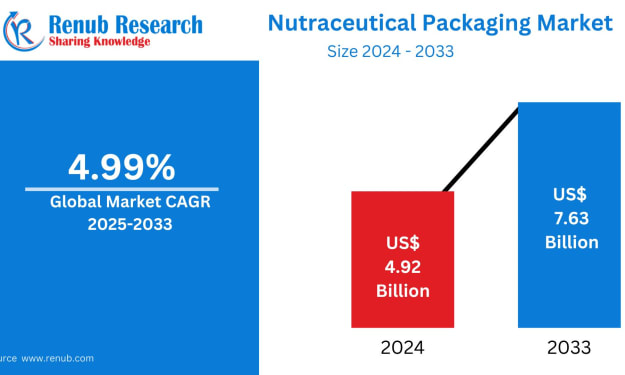
Neutraceutical Packaging Market at a Glance The Neutraceutical Packaging Market is projected to expand from US$ 4.92 billion in 2024 to US$ 7.63 billion by 2033, growing at a CAGR of 4.99% from 2025 to 2033. This steady growth reflects the accelerating global demand for dietary supplements, functional foods, herbal products, and wellness beverages. Rising health awareness, aging populations, sustainability expectations, the rapid growth of e-commerce, and evolving regulatory frameworks are reshaping how nutraceutical products are packaged, protected, and presented.
By jaiklin Fanandish2 days ago in Earth
Man Shot Dead by Police After Aiming Bow and Arrow at Officers
A man has been shot dead by police after allegedly aiming a bow and arrow at officers, authorities have confirmed. The fatal encounter has triggered public debate over police use of force, crisis response protocols, and how law enforcement handles situations involving unconventional weapons.
By Aarif Lashari2 days ago in Earth
Wild Card Weekend Recap: What Happens Now?
I think I figured out why I love Wild Card Weekend so much. It's because it's the first playoff anything of the calendar year. The NFL season starts in the fall, and once upon a time, the champion was crowned either on or slightly before New Year's. The evolution of the NFL schedule has resulted in the playoffs starting just into the New Year, and currently, the final week of the season falls on the first weekend of the New Year, with Wild Card Weekend coming a week after that. So yes, chronologically, the NFL's Wild Card Weekend serves as the first playoff anything of the calendar year.
By Clyde E. Dawkins5 days ago in Unbalanced


Comments
There are no comments for this story
Be the first to respond and start the conversation.