

The Great Lakes in the US are Superior, Michigan, Huron, Erie, and Ontario. They form the largest freshwater system on Earth. There are quite a few creatures calling this area home, from the lakes to the surrounding wetlands and forests.

Bald eagles, the symbol of America, enjoy the shorelines and islands of the Great Lakes. These birds of prey have white heads and brown bodies. They build huge nests, often in tall trees. They are keen hunters, often plucking fish right out of the water. Around the Great Lakes, bald eagles can be seen soaring above the water, diving for fish, or perched in shoreline trees.
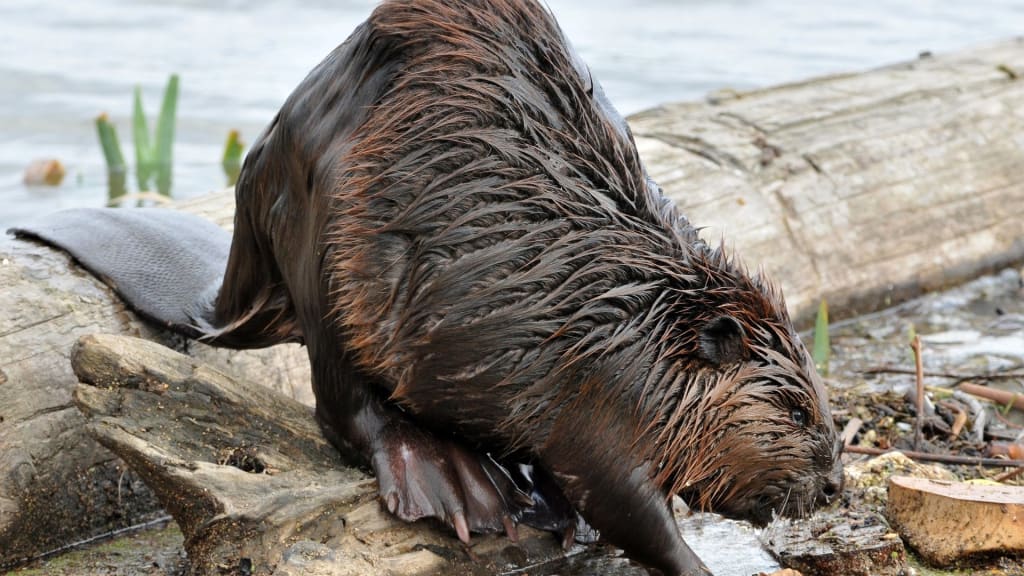
Beavers are true engineers and among the most influential mammals in the Great Lakes. These are large rodents with powerful jaws and sharp teeth that can fell trees to build dams and lodges throughout the tributaries and wetlands. Beaver activity creates wetland habitats benefiting other species, improves water quality by filtering sediments, and helps to control flooding by regulating water flow. Beavers are herbivores and only eat plants. Though, more in-depth information regarding their diet offers a unique combination of tree bark, leaves, twigs, and aquatic plants.
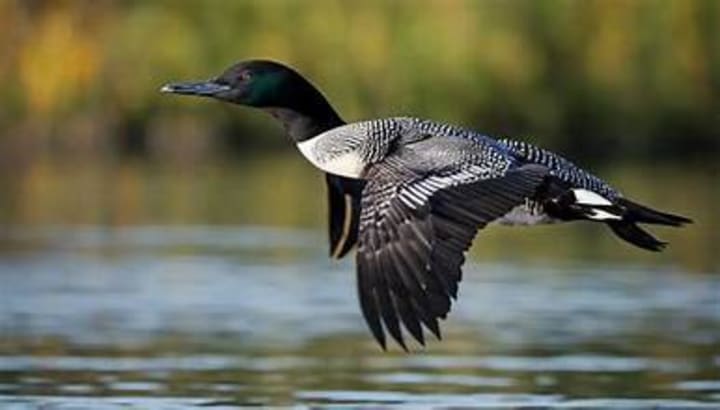
Common loons give off haunting calls. These are black-and-white birds with red eyes. They are great swimmers and can dive up to 200 feet below the surface to capture fish. Loons build their nests close to the edge of the water, usually on small islands or quiet shorelines around the Great Lakes, especially in the northern part of Lake Superior and northern Lake Michigan.

Freshwater mussels make their home in the Great Lakes basin, with over 40 native species represented. Their shells are shaped from round to elongated. A single adult mussel can filter more than 15 gallons of water daily, removing algae, bacteria, and small particles while improving water clarity and quality throughout the Great Lakes system.
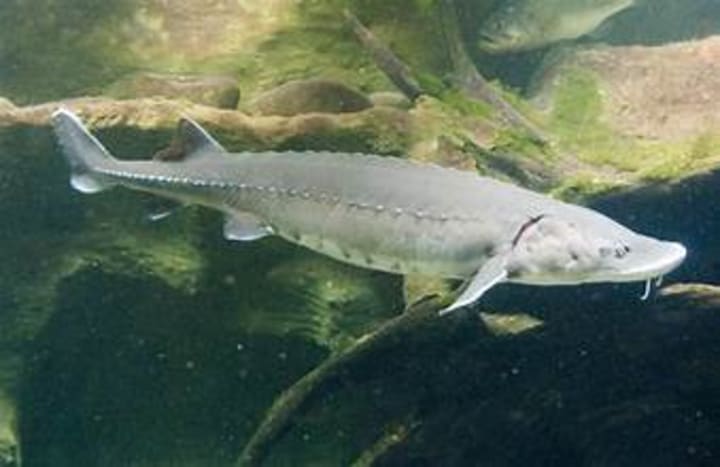
Lake sturgeons are ancient fish and have gained the nickname “living fossils.” They are very long in length, over 7 feet, and can weigh in excess of 200 pounds. They have armor-like scales called scutes, shark-like tails, and barbels (whisker-like sensors) hanging from their snouts.
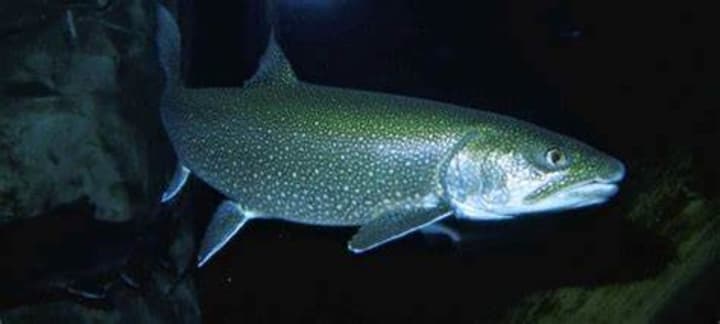
Lake trout are the largest native trout species in the Great Lakes. They are cold-water fish and grow large weighing in over 70 pounds. They have distinct forked tails, light spots, and flattened heads. As a fish adapted to cold, oxygen-rich waters, lake trout also face threats from climate change, which is warming the Great Lakes and potentially reducing suitable habitat.
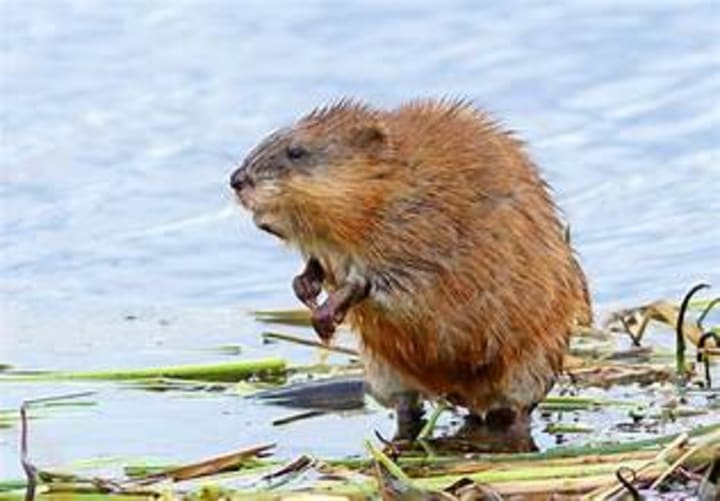
Muskrats are medium-sized rodents that inhabit marshes, ponds, and slow-moving waterways of the Great Lakes region. They have water-resistant fur, partially webbed hind feet, and flattened tails that serve as rudders. Muskrats are well-adapted to a semi-aquatic lifestyle. They build dome-shaped lodges made of vegetation in marshes or dig burrows along the banks. Their feeding habits help maintain open water in marshes that might otherwise become choked with vegetation, creating habitat diversity that benefits waterfowl and other wildlife. Various bird species use their lodges for nesting platforms.
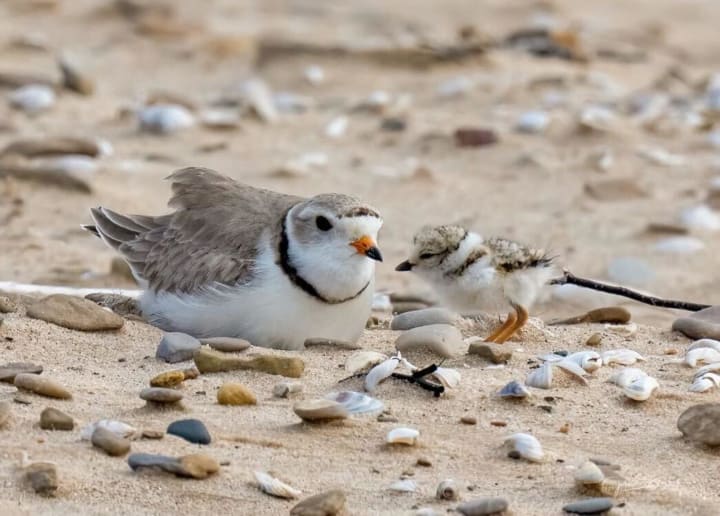
Piping plovers are small, sand-colored shorebirds that nest on the beaches and shorelines of the Great Lakes. Their pale coloration offers them great camouflage against sandy beaches. Each spring, plovers return to the Great Lakes beaches.

River otters love the Great Lakes region. They are semi-aquatic mammals and very social and playful creatures. They can be seen sliding down muddy or snowy banks or doing underwater acrobatics. Otters have dense fur, webbed feet, and powerful tails. They inhabit the coastal wetlands, rivers, and sheltered bays. As top predators feeding primarily on fish, crayfish, and amphibians, healthy otter populations indicate a functioning ecosystem with clean water and abundant prey.
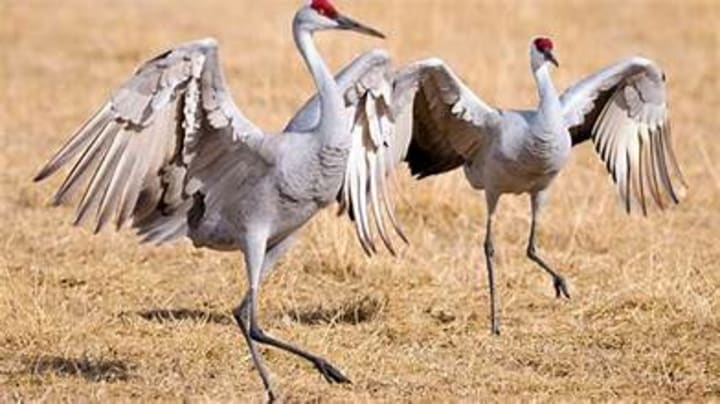
Sandhill cranes are among the most ancient bird species on Earth. They are tall, elegant birds with a wingspan of over 6 feet. They are a common sight along the wetlands. The birds have slate-gray plumage, crimson foreheads, and long, graceful necks. You can hear their trumpet-like calls, especially during spring and autumn migrations. These birds typically form lifelong pair bonds and perform elaborate courtship dances involving bowing, jumping, and wing-flapping.
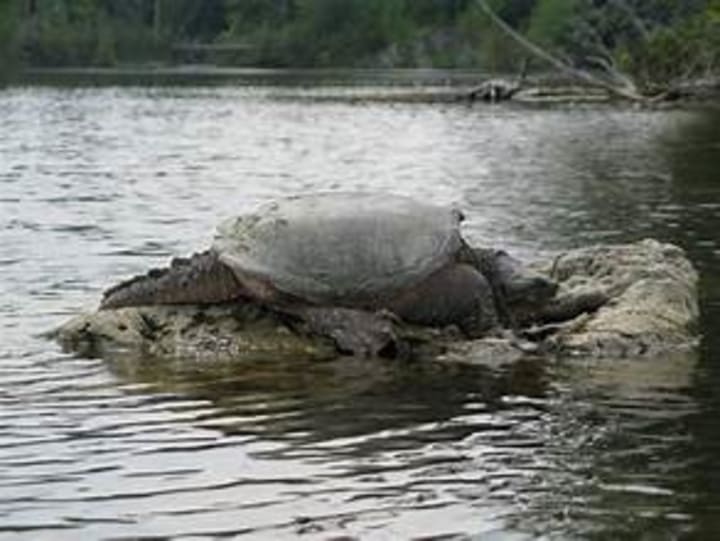
Snapping turtles are the largest freshwater turtles in the Great Lakes region. These are prehistoric-looking reptiles with powerful jaws, serrated tails, and shells covered with algae providing camouflage. They spend most of their time submerged in the muddy bottoms of shallow waters throughout the Great Lakes basin. Snapping turtles play crucial ecological roles as scavengers and predators, helping maintain water quality by consuming dead fish and controlling populations of aquatic creatures. Each spring, female snapping turtles undertake sometimes dangerous journeys across land to reach nesting sites, where they dig holes and lay 20-40 eggs.
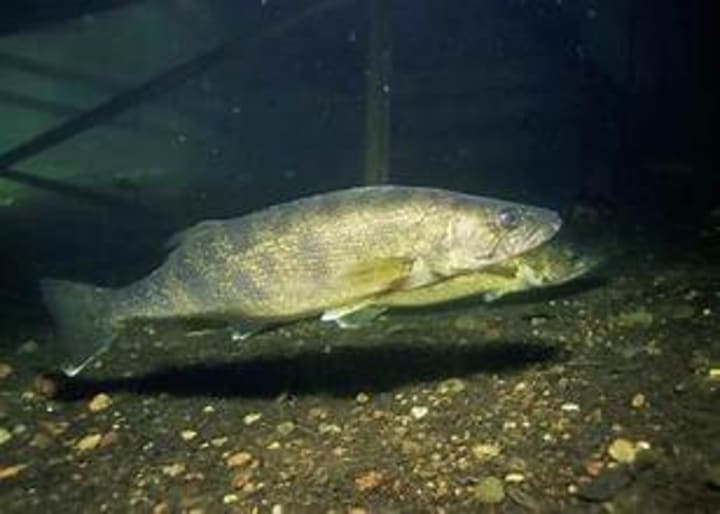
Walleyes are the most sought-after fish when it comes to sport fishing in the Great Lakes. These are golden-olive fish with distinctive reflective eyes so they can see in low light. These fish undertake seasonal migrations within the lakes, typically moving to rocky reefs or tributary rivers to spawn in early spring before dispersing to deeper waters during summer months.

White-tailed deer are large mammals seen throughout the Great Lakes region. They inhabit forests, wetlands, and suburban landscapes. They are named for their white tails, which they raise when alarmed. Their reddish-brown summer coats transition to grayish-brown in winter, providing camouflage throughout the changing seasons.
About the Creator
Rasma Raisters
My passions are writing and creating poetry. I write for several sites online and have four themed blogs on Wordpress. Please follow me on Twitter.
Keep reading
More stories from Rasma Raisters and writers in Earth and other communities.
Amazing Animals South Sudan
South Sudan is a landlocked country bordering Sudan, Ethiopia, Uganda, Kenya, the Central African Republic, and the Democratic Republic of Congo. The country has vast plains and plateaus fed by the Nile River and tributaries. The center of South Sudan is covered by a vast wetland called the Sudd.
By Rasma Raisters4 months ago in Earth
Nature’s Hidden Gems: Discovering the Rarest Flowers on Earth
Introduction: When Beauty Meets Rarity Nature is filled with wonders, but few are as captivating—and as elusive—as the rarest flowers on Earth. From enormous parasitic blooms to delicate orchids that appear only under precise conditions, these plants challenge our understanding of survival, evolution, and beauty.
By Ahmed aldeabella5 days ago in Earth
Verizon Outage Today
A sudden Verizon outage can feel unsettling, especially when your phone switches to “SOS” or “emergency calls only” without warning. Across social media and outage-tracking platforms, users often rush to ask the same questions: Is Verizon down right now? Why is my phone in SOS mode? What happened to Verizon today, and when will Verizon be back up? While outages are never convenient, they are not uncommon for large national carriers like Verizon Wireless. Understanding what a Verizon service outage means—and how to respond—can help reduce confusion during moments when connectivity disappears. Is Verizon Down? Understanding Service Outages A Verizon wireless outage occurs when part of Verizon’s cellular or data network becomes unavailable. This can affect voice calls, text messages, mobile data, or all services at once. Some outages are isolated to specific cities, such as Verizon outage NYC, Atlanta, Houston, or New Jersey, while others expand into a broader Verizon nationwide outage. When service is disrupted, users commonly report: Verizon down today Verizon network down Verizon not working Is Verizon down in my area? Verizon service outage These reports often surface within minutes, especially on outage-monitoring platforms. Why Does My Phone Say SOS? One of the most alarming signs during a Verizon outage today is seeing SOS, SOS only, or emergency calls only at the top of an iPhone. This leads many to ask, “Why is my phone in SOS mode Verizon?” SOS mode does not mean your phone is broken. It indicates that your device cannot connect to the Verizon network but can still place emergency calls using any available carrier signal. Common searches during outages include: Why does my phone say SOS only? iPhone stuck in SOS mode Why is my phone on SOS Verizon? What does SOS mean on iPhone? How to get phone out of SOS mode In most cases, the issue resolves automatically once Verizon restores network connectivity. What Caused the Verizon Outage Today? When connectivity drops, users naturally want immediate answers to what caused the Verizon outage today. Verizon does not always publish technical details right away, but outages are typically linked to: Network maintenance or system upgrades Fiber or backend routing failures Power outages affecting Verizon towers Severe weather or environmental damage Unexpected network congestion Despite online speculation, most Verizon outages are not related to cyberattacks. Searches like “Verizon cyber attack today” often trend during disruptions, but confirmed causes are usually infrastructure-related and temporary. How to Check Verizon Outage Status in Real Time If you’re wondering “Is Verizon still down?”, there are several reliable ways to check. Downdetector Verizon Platforms like Downdetector and Down Detector Verizon track real-time user reports. A spike in complaints usually confirms a Verizon outage before official statements are released. Verizon Outage Map Verizon provides a Verizon wireless outage map, sometimes including outage views by ZIP code. This helps answer questions like: Is there a Verizon outage near me? Is Verizon down in my area? My Verizon App and Network Status Pages The My Verizon app and Verizon’s official network status tools may display service alerts and updates during larger outages. Verizon Customer Service During an Outage During a widespread Verizon service outage, many users attempt to call Verizon customer service or search for the Verizon customer service number. While support teams remain active, wait times often increase significantly during major disruptions. Important things to keep in mind: Customer service representatives usually cannot provide exact repair timelines Rebooting your phone repeatedly during an outage rarely helps Network restoration often happens region by region Monitoring Verizon outage updates is typically more effective than calling support during peak outage periods. When Will Verizon Be Back Up? The most pressing question remains: When will Verizon service be restored? The answer depends on: Whether the outage is local or nationwide The cause of the disruption Whether physical repairs are required Minor outages may resolve within minutes or hours. Larger incidents—such as a Verizon cellular outage affecting multiple states—can take longer. Verizon generally prioritizes emergency communications before restoring full voice and data services. Search trends during outages often include: When will Verizon be fixed? How long will Verizon be down? When is Verizon going to be back up? While exact times are rarely guaranteed, service usually returns gradually rather than all at once. Verizon, Competition, and Broader Impact High-profile outages often spark comparisons with competitors like AT&T and T-Mobile. Searches for AT&T outage or T-Mobile outage frequently rise at the same time, as users explore alternative networks. Although outages generate headlines and social media frustration, they rarely have lasting effects on Verizon stock unless disruptions become frequent or prolonged. What to Do If Your Phone Is in SOS Mode If your phone shows SOS only during a Verizon outage: Enable Wi-Fi calling if available Avoid changing SIM or resetting network settings mid-outage Keep your device charged and updated Check Verizon outage updates periodically Once Verizon’s network stabilizes, most phones exit SOS mode automatically. Final Thoughts A Verizon outage can be disruptive, especially when communication suddenly feels out of reach. However, seeing SOS mode does not mean your phone is damaged—it simply reflects a temporary network issue. Staying informed through trusted sources like Downdetector, Verizon’s outage maps, and official Verizon updates can help users navigate these moments with clarity. While outages are frustrating, they are typically temporary, and service restoration is usually a matter of time rather than cause for alarm.
By Saboor Brohi 5 days ago in Earth



Comments
There are no comments for this story
Be the first to respond and start the conversation.