
Google Inks $3 Billion US Hydropower Deal, Largest Clean Energy Agreement of Its Kind
Google Inks $3 Billion US Hydropower Deal, Largest Clean Energy Agreement of Its Kind - Discover how this record-breaking investment accelerates renewable energy, supports local economies, and advances Google's net zero mission.

In a transformative move for clean energy and corporate sustainability, Google has inked a $3 billion hydropower agreement in the United States, marking the largest deal of its kind in renewable energy history. This partnership underscores Google's ambition to power its data centers and offices exclusively with carbon-free energy by 2030. The hydropower deal is a cornerstone strategy to decarbonize operations and meet escalating demands for green energy.
With the world confronting the intensifying impacts of climate change, large-scale investments in renewable resources are not only commendable but essential. This agreement sets a new precedent for how technology companies can leverage their scale to accelerate the energy transition while fostering economic development and innovation.
What Makes This Deal the Largest of Its Kind?
This landmark agreement is distinguished by its sheer size and scope:
- $3 Billion Investment: The capital allocated far exceeds prior corporate clean energy procurements.
- Historic Capacity: The deal encompasses over 1,000 megawatts of hydropower generation capacity.
- Long-Term Commitment: Spanning multiple decades, it guarantees a stable, renewable energy supply.
Most corporate renewable contracts to date have centered on wind or solar power. Google's decision to bet big on hydropower reflects a strategic effort to diversify its clean energy mix, ensuring resilience and reliability.
Strategic Partners in the Agreement
The success of this unprecedented deal hinges on collaboration among multiple stakeholders:
- Brookfield Renewable Partners: As one of the world's largest renewable power operators, Brookfield will oversee hydropower generation and delivery.
- Federal Energy Regulatory Commission (FERC): Regulatory oversight to ensure compliance with environmental and safety standards.
- Local and State Authorities: Support in securing permits, modernizing grid infrastructure, and addressing community concerns.
Collaboration with Brookfield Renewable
Brookfield Renewable has emerged as a critical ally in Google's clean energy strategy. The company manages an extensive portfolio of hydropower assets across North America. Under this agreement:
- Brookfield will supply Google with reliable, 24/7 hydropower.
- Both companies have pledged to invest in upgrading existing dams and turbines.
- The deal emphasizes innovation in energy storage and grid integration.
This collaboration leverages Brookfield's operational expertise and Google's commitment to decarbonization at scale.
Federal and State Regulatory Approvals
Given the magnitude of this investment, regulatory approvals were complex and multi-layered:
- FERC conducted extensive environmental reviews to assess potential impacts on river ecosystems.
- States such as Oregon and Washington participated in site assessments and public hearings.
- Mitigation measures have been incorporated to balance clean energy production with ecological preservation.
Understanding Hydropower as a Renewable Resource
Hydropower harnesses the kinetic energy of flowing water to spin turbines and generate electricity. Unlike fossil fuels, hydropower produces zero direct greenhouse gas emissions.
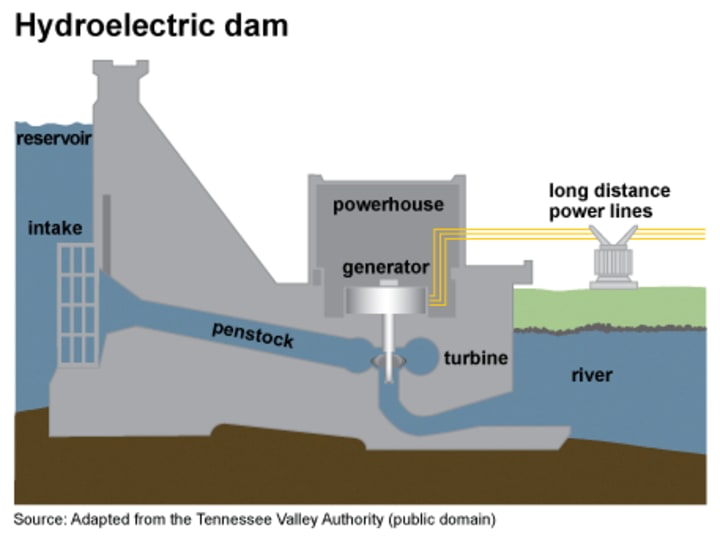
Here's how it works in a nutshell:
- Water flows through an intake.
- Turbines convert water movement into mechanical energy.
- Generators transform this energy into electricity.
Benefits of Hydropower Over Fossil Fuels
Hydropower's advantages are substantial:
- Carbon-Free Electricity: Dramatically reduces emissions.
- Reliable Base Load Power: Unlike solar and wind, hydropower operates consistently.
- Long Asset Lifespan: Facilities often last over 50 years.
- Water Management Benefits: Dams support irrigation and flood control.
Challenges and Criticisms of Hydropower
Despite these benefits, hydropower faces legitimate criticisms:
- Disruption of Aquatic Habitats: Dams can affect fish migration.
- Impact on Indigenous Lands: Historical conflicts over land rights.
- High Upfront Costs: Large capital investment and regulatory hurdles.
Google and Brookfield have pledged to mitigate these impacts through environmental safeguards and community engagement.
Implications for Google's Net Zero Goals
This hydropower deal is a linchpin in Google's strategy to achieve net zero emissions by 2030. The agreement will:
- Supply renewable power to data centers in the Pacific Northwest.
- Offset substantial carbon emissions previously associated with fossil fuel generation.
- Serve as a model for future clean energy procurements.
Data Center Decarbonization Efforts
Google operates some of the world's most energy-intensive facilities. Transitioning these data centers to renewable power is critical. Through hydropower:
- Carbon intensity of operations will decline significantly.
- Electricity costs are expected to stabilize long term.
- Energy reliability improves, ensuring uptime for billions of users.
Economic Impact and Job Creation
Google's $3 billion hydropower investment is more than a climate commitment - it's an economic catalyst that will reverberate through regional economies. Analysts project that the deal could create thousands of direct and indirect jobs across construction, operations, and maintenance sectors.
Key economic benefits include:
- Job Creation: From engineers to construction workers, the hydropower project will support skilled employment.
- Infrastructure Modernization: Upgrades to transmission lines and dam facilities will inject capital into local economies.
- Tax Revenues: New investments generate property taxes that fund schools, emergency services, and infrastructure.
- Supplier Opportunities: Local businesses will benefit from contracts to supply equipment, materials, and services.
A 2024 Brookfield report estimates that every $1 billion invested in renewable infrastructure creates up to 13,000 direct and indirect jobs - a figure that underscores how clean energy drives economic growth.

Infrastructure Development
Upgrading aging hydropower facilities requires robust infrastructure enhancements, including:
- Modernizing turbines to improve efficiency.
- Reinforcing dam structures to meet safety standards.
- Expanding grid connections to accommodate increased renewable flows.
Google has committed to partnering with local contractors and unions to ensure these upgrades meet both environmental and labor standards.
Industry Reactions and Expert Opinions
This record-breaking hydropower deal has sparked widespread reactions across the tech and energy sectors.
Energy analysts have called it "a pivotal moment in the decarbonization of corporate America." According to BloombergNEF, the transaction demonstrates that renewable energy procurement is maturing beyond solar and wind.
Environmental advocates have largely praised Google's move but emphasized the need for transparent reporting on ecological impacts. Meanwhile, financial analysts see the agreement as a long-term hedge against fossil fuel price volatility.
Competitors' Response
Tech giants like Amazon and Microsoft have also stepped up their renewable energy commitments:
- Amazon is investing heavily in offshore wind and solar farms.
- Microsoft announced plans to be carbon negative by 2030 and has signed multiple power purchase agreements.
Google's hydropower investment now sets a high bar for the scale and ambition of corporate clean energy deals, pressuring competitors to accelerate their strategies.
The Future of Corporate Clean Energy Procurement
This hydropower deal may signal a new era in how corporations approach renewable energy. Several trends are emerging:
- Diversification: Companies are investing in a broader mix of renewables, including hydropower, geothermal, and emerging technologies.
- 24/7 Carbon-Free Energy: Google's goal is not just 100% renewable energy annually but hourly matching of consumption with clean generation.
- Community Engagement: Large-scale projects increasingly require buy-in from local stakeholders.
As climate regulations tighten and energy demand grows, such agreements could become the norm rather than the exception.
Potential Challenges and Risks Ahead
While the deal is groundbreaking, it is not without risks. Key challenges include:
- Regulatory Delays: Federal and state approvals can slow progress.
- Ecological Concerns: Protecting aquatic ecosystems requires careful planning and ongoing monitoring.
- Financing Risks: Cost overruns and supply chain disruptions could impact budgets.
Google and Brookfield have established contingency plans to mitigate these risks, including robust environmental monitoring and diversified financing structures.
Conclusion: A Landmark Step Toward a Greener Future
Google's $3 billion US hydropower deal is a bold statement about what's possible when technology, capital, and environmental stewardship align. As the largest clean energy agreement of its kind, it demonstrates that decarbonization on a massive scale is achievable - and that corporations can be powerful drivers of climate solutions.
This partnership will help Google stay on track to meet its ambitious 2030 net zero goals, while generating clean, reliable power for decades to come. In doing so, it sets an example for other companies looking to invest in the renewable energy transition.
FAQs About Google's Hydropower Deal
Q1: Why did Google choose hydropower over other renewable sources?
- Hydropower offers consistent, reliable electricity generation - something solar and wind can't always guarantee. This 24/7 renewable capacity helps Google better match its energy consumption to clean power production.
Q2: How much electricity will this deal generate?
- The agreement covers over 1,000 megawatts of capacity, enough to power hundreds of thousands of homes annually.
Q3: Will the project impact local communities or ecosystems?
- While large hydropower projects can affect river habitats and communities, Google and Brookfield have committed to comprehensive environmental impact assessments and mitigation measures.
Q4: How does this deal fit into Google's sustainability goals?
- It is a cornerstone of Google's commitment to operate entirely on carbon-free energy by 2030 and eventually achieve net zero emissions.
Q5: What economic benefits will the deal create?
- Besides supplying clean power, the project will create thousands of jobs, modernize critical infrastructure, and generate new tax revenues for local governments.
Q6: Are other companies pursuing similar deals?
- Yes. Major corporations like Amazon and Microsoft are expanding their renewable energy portfolios, though this is currently the largest hydropower agreement signed by a tech company.
Relevant External Link
👉 Brookfield Renewable Official Website
Sources
🌐 Official Company Announcements & Press Releases
- Google Sustainability - official sustainability commitments and project updates.
- Brookfield Renewable Partners - information about hydropower operations and partnerships.
📰 Trusted News Publications & Reporting
- Bloomberg News - coverage of the $3 billion hydropower agreement and its market impact.
- Reuters - reporting on Google's corporate renewable energy strategy and regulatory aspects.
- The Wall Street Journal - analysis of corporate decarbonization trends and industry reactions.
About the Creator
Kageno Hoshino
Mistakes are not shackles that halt one from stepping forward. Rather, they are that which sustain and grow one's heart.
Keep reading
More stories from Kageno Hoshino and writers in Earth and other communities.
New Israeli mRNA Jab Developed Against Antibiotic-Resistant Bacterium, Offering Hope for Medical Advancements
Antibiotic resistance has escalated into one of the gravest health emergencies of the 21st century. The World Health Organization (WHO) warns that by 2050, drug-resistant infections could claim 10 million lives annually. Superbugs, once treatable with common antibiotics, now outsmart our best defenses, rendering even routine surgeries perilous. The urgency for innovative solutions has never been greater.
By Kageno Hoshino6 months ago in The Swamp
Britain and France Strike Suspected Islamic State Arms Dump in Syria
Britain and France have just carried out a joint airstrike in central Syria, targeting what they believe is an Islamic State (IS) arms dump. The operation took place near Palmyra in Homs province, a location known for its rugged terrain and historic significance. The airstrike highlights how Western nations are still actively working to prevent the resurgence of IS, even years after the group lost its territory. What Happened? The UK Ministry of Defence (MoD) confirmed that Royal Air Force jets, working together with French military aircraft, struck an underground facility thought to store weapons and explosives. Thankfully, officials say no civilians were in the area and all aircraft returned safely. According to British and French authorities, the facility included subterranean tunnels that could have been used to store weapons or plan attacks. By hitting this target, the coalition aims to stop IS from regaining strength in remote desert areas. Why It Matters Even though IS was territorially defeated in 2019, intelligence reports show that the group still maintains sleeper cells in Syria and Iraq. Remote areas like Palmyra provide cover for militants to regroup and possibly rebuild their operations. Analysts warn that the group’s ideology continues to attract followers, making targeted strikes like this essential for global security. This airstrike is part of a broader strategy by coalition forces to keep IS on the defensive. Last month, for example, the U.S. also launched strikes in Syria in response to attacks near Palmyra. The joint British-French strike shows that Western countries are working together to prevent IS from regaining a foothold. How the Strike Happened The air operation involved RAF Typhoon fighter jets using precision-guided bombs, supported by a refueling tanker in the air. French aircraft hit the same target simultaneously, showing a high level of military coordination between London and Paris. Officials stressed that the strike was carefully planned to avoid civilian casualties. By targeting the arms depot, the coalition hopes to disrupt IS operations and limit the group’s ability to organize attacks in Syria or beyond. Strong Partnership: UK and France Working Together This operation also highlights the strong military partnership between the UK and France. Both countries have been part of the international coalition against IS since 2014. Their cooperation shows a long-term commitment to fighting extremism in the Middle East and preventing threats to European security. UK Defence Secretary John Healey called the strike a clear message that Western allies are “standing shoulder to shoulder” against violent extremist ideologies. For both nations, this isn’t just about immediate security—it’s about long-term stability in the region. The Bigger Picture IS may have lost its so-called caliphate, but its ideology and network remain a threat. Remnants of the group continue to operate in deserts and caves across Syria and Iraq, making ongoing airstrikes and intelligence operations crucial. The recent UK-French airstrike is part of a series of coalition efforts to stop IS from rebuilding. While it’s too soon to know the full impact, experts believe targeted operations like this send a strong signal to extremists that coalition forces are still active and vigilant. What This Means for the Future For now, this operation shows that Western countries remain proactive in addressing threats like IS. Precision strikes, intelligence gathering, and international cooperation are all part of the strategy to prevent extremist groups from regaining momentum. While the fight against IS isn’t over, Britain and France have made it clear that they will continue to monitor and respond to threats wherever they appear. In a world where extremist groups can regroup quickly, vigilance remains the best defense. ✅ Takeaway: Even after years of defeat, IS still poses risks. Coordinated strikes like this remind us that international cooperation and intelligence-led operations are crucial to keeping these threats in check
By Muhammad Hassan7 days ago in Earth
greenland
Greenland The World’s Largest Island of Ice Nature and Mystery Greenland is one of the most fascinating places on Earth, known for its vast ice sheets, dramatic landscapes, and unique culture. It is the largest island in the world, located between the Arctic and Atlantic Oceans. Many people search for information about Greenland because of its extreme climate, political status, natural resources, and growing importance in global discussions about climate change.
By America today 7 days ago in Earth


Comments
There are no comments for this story
Be the first to respond and start the conversation.