
Global Warming: The Impending Crisis in Our World
Understanding the Causes, Consequences, and Urgency of Climate Change


Global warming, a consequence of human activities, has emerged as one of the most pressing challenges of our time. The Earth's climate is rapidly changing, primarily due to the increase in greenhouse gas emissions. This essay aims to explore the causes and consequences of global warming, shedding light on its far-reaching impacts on our planet and emphasizing the urgent need for collective action.
Global warming is primarily driven by human-induced factors. The burning of fossil fuels such as coal, oil, and natural gas for energy production releases vast amounts of carbon dioxide (CO2) and other greenhouse gases into the atmosphere. Deforestation, industrial activities, and agriculture also contribute significantly to greenhouse gas emissions. These emissions act as a blanket, trapping heat within the Earth's atmosphere and leading to a steady rise in global temperatures.
The consequences of global warming are far-reaching and have the potential to reshape our planet. Rising temperatures result in the melting of glaciers and ice caps, leading to a rise in sea levels. This poses a severe threat to coastal communities, causing increased flooding and erosion. Furthermore, changing climate patterns contribute to more frequent and intense extreme weather events, including hurricanes, droughts, and heatwaves.
The impact of global warming extends beyond the environment and affects various aspects of human life. Agricultural productivity is compromised as changing weather patterns disrupt traditional growing seasons and lead to reduced crop yields. Ecosystems face the risk of collapse, threatening biodiversity and endangering countless plant and animal species. Additionally, global warming has health implications, as the spread of diseases and the prevalence of heat-related illnesses increase.
To combat global warming, a two-pronged approach of mitigation and adaptation is crucial. Mitigation involves reducing greenhouse gas emissions through transitioning to renewable energy sources, improving energy efficiency, and implementing sustainable land-use practices. International agreements, such as the Paris Agreement, aim to limit global temperature rise by coordinating efforts to reduce emissions.
Adaptation focuses on building resilience to the changes already occurring due to global warming. This involves developing strategies to cope with rising sea levels, implementing water management systems, and creating early warning systems for extreme weather events. Investing in climate-resilient infrastructure and promoting sustainable practices in agriculture and urban planning are essential components of adaptation.
While global warming is a complex issue, individuals and communities play a crucial role in addressing it. Small changes in daily habits, such as reducing energy consumption, adopting sustainable transportation options, and practicing waste reduction and recycling, can collectively make a significant impact. Education and awareness campaigns are instrumental in fostering a sense of environmental responsibility and inspiring sustainable behaviors.
Communities can also play a vital role by implementing renewable energy initiatives, promoting local sustainability projects, and advocating for policy changes at the local and national levels. By working together, individuals and communities have the power to create a ripple effect of positive change.
Global warming presents an existential threat to our planet and demands immediate action. The causes and consequences of this crisis are undeniable, and the time for complacency is long past. Mitigation efforts and adaptation strategies must be implemented on a global scale, involving governments, businesses, communities, and individuals. By transitioning to sustainable practices, reducing greenhouse gas emissions, and fostering resilience, we can mitigate the worst impacts of global warming and secure a sustainable future for generations to come.
The impacts of global warming are already being felt worldwide, from the shrinking polar ice caps to the devastating wildfires and intense heatwaves. Urgent action is required to mitigate greenhouse gas emissions, transition to renewable energy sources, and adapt to the changing climate. By recognizing the severity of the issue, collaborating on a global scale, and implementing sustainable solutions, we can strive to preserve the planet for future generations and create a more sustainable and resilient world.
About the Creator
Mina
Student by day, writer by passion. I love to escape into words, crafting stories and exploring new sphere in my free time. It's a journey of self-expression and personal growth and I cherish every moment spent in the sphere of storytelling.
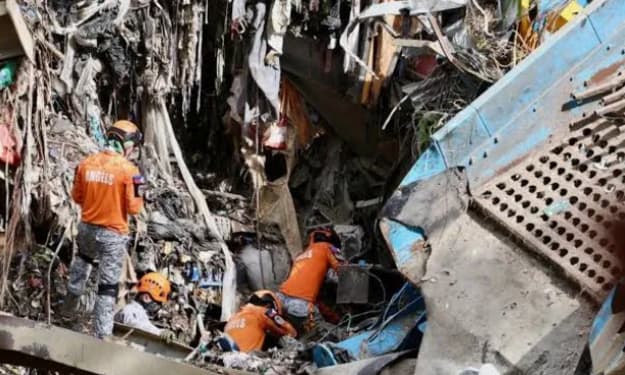
Filipino Rescuers Detect “Signs of Life” in Garbage Avalanche That Killed 4 and Left Dozens Missing
In the early hours following a devastating garbage avalanche in the Philippines, rescuers reported detecting “signs of life” beneath tons of waste, igniting a fragile sense of hope amid widespread grief and uncertainty. The deadly incident, which claimed at least four lives and left dozens missing, has drawn national attention to the dangers faced by communities living near massive waste disposal sites.
By Aqib Hussain6 days ago in Earth
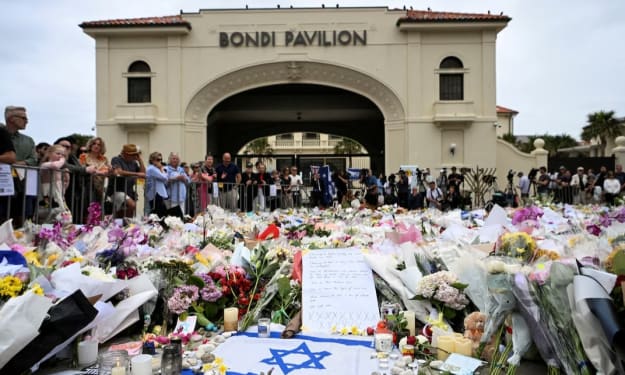
Top Australian Writers’ Festival Cancelled After Palestinian Author Barred
One of Australia’s most respected literary festivals has been cancelled following a fierce backlash over the decision to bar a Palestinian author from participating. What began as a programming dispute quickly escalated into a national debate about free speech, cultural inclusion, and political pressure in the arts. The cancellation has sent shockwaves through Australia’s literary community, raising urgent questions about whose voices are allowed on public platforms and at what cost.
By Aarif Lashari2 days ago in Earth


Comments
There are no comments for this story
Be the first to respond and start the conversation.