
Global warming causes and solutions.
Global warming impacts🌎🌎🌎 Global warming refers to the long-term rise in the average temperature of the Earth's climate system, primarily caused by human activities such as the burning of fossil fuels and deforestation. This warming is causing significant changes to the Earth's climate, including rising sea levels, more intense heatwaves and storms, and changes in precipitation patterns. These changes are having a major impact on ecosystems and human communities around the world, with potential consequences for food security, human health, and economic development.

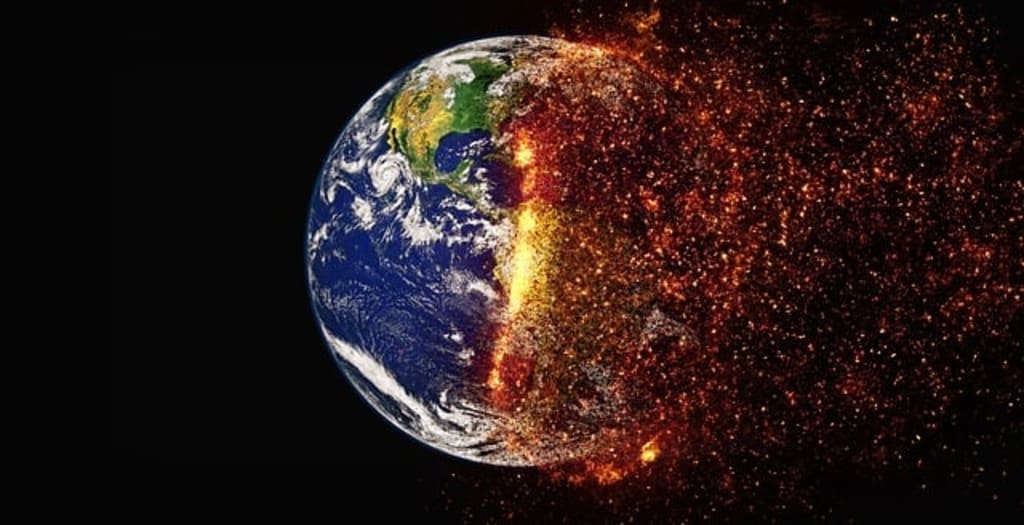
Introduction:
Global warming is a critical issue that the world is currently facing. It refers to the gradual increase in the average temperature of the Earth's atmosphere and oceans, primarily due to human activities. This problem has far-reaching consequences, including rising sea levels, more intense heat waves, and changes in weather patterns that can have significant impacts on human communities and ecosystems.
Causes of Global Warming:
The primary cause of global warming is the burning of fossil fuels such as coal, oil, and natural gas. This releases large amounts of greenhouse gases, including carbon dioxide, methane, and nitrous oxide, into the atmosphere. These gases trap heat from the sun, causing the Earth's temperature to rise. Other human activities such as deforestation and agriculture also contribute to global warming by releasing carbon dioxide and reducing the amount of carbon sequestration. The Intergovernmental Panel on Climate Change (IPCC) estimates that human activities have contributed to approximately 100% of the warming observed since the 1950s.
Impact of Global Warming:
The effects of global warming are widespread and include rising sea levels, more intense and frequent heat waves, increased frequency and intensity of extreme weather events such as hurricanes and floods, and changes in the distribution of plant and animal species. These changes can have significant impacts on human communities, including displacement, economic disruption, and damage to infrastructure. Additionally, global warming can lead to more severe droughts, wildfires, and food and water shortages, which disproportionately affects low-income communities and developing countries.
Solutions to Global Warming:
The solution to global warming is to reduce the amount of greenhouse gases in the atmosphere. This can be achieved through a combination of mitigation and adaptation measures.
Mitigation Measures:
Mitigation measures are actions taken to reduce the emission of greenhouse gases. This can be achieved through a variety of means, such as increasing the use of renewable energy sources like solar and wind power, improving energy efficiency, and transitioning to low-carbon transportation options like electric cars. Additionally, carbon capture and storage (CCS) technology can be used to reduce the amount of CO2 emissions from power plants and other industrial sources.
Another effective mitigation measure is reforestation and afforestation, which can absorb carbon dioxide from the atmosphere. Also, changes in the agricultural practices, like reducing deforestation, shifting to sustainable land use and management, and promoting agroforestry, can reduce emissions and increase carbon sequestration.
Adaptation Measures:
Adaptation measures are actions taken to help communities and ecosystems cope with the impacts of global warming that are already happening or are projected to occur. These can include building sea walls to protect against sea level rise, planting drought-resistant crops, and creating early warning systems for extreme weather events. Additionally, it is important to plan and implement sustainable and resilient infrastructure in vulnerable areas.
International Cooperation:
Addressing global warming requires international cooperation and collective action. The Paris Agreement, a legally binding international treaty on climate change, aims to limit global warming to well below 2 degrees Celsius above pre-industrial levels and to pursue efforts to limit the increase to 1.5 degrees Celsius. As of 2021, over 190 countries have ratified the agreement. The Paris Agreement sets a framework for countries to report on their emissions and efforts to reduce them, and it also provides funding for developing countries to transition to low-carbon economies.
Conclusion:
Global warming is a serious and pressing issue that requires immediate action. We must take steps to reduce greenhouse gas emissions and help communities and ecosystems adapt to the changes that are already happening. Mitigation and adaptation measures, both on a domestic and international level, are necessary to address this global problem. It is important to note that while global warming is a global problem.🌎🌎🌎
About the Creator
Reader insights
Outstanding
Excellent work. Looking forward to reading more!
Top insights
Compelling and original writing
Creative use of language & vocab
Easy to read and follow
Well-structured & engaging content
Excellent storytelling
Original narrative & well developed characters
Expert insights and opinions
Arguments were carefully researched and presented
Eye opening
Niche topic & fresh perspectives
Heartfelt and relatable
The story invoked strong personal emotions
Masterful proofreading
Zero grammar & spelling mistakes
On-point and relevant
Writing reflected the title & theme
Keep reading
More stories from @Sakthivel and writers in Earth and other communities.
Save water
Introduction: Water is a precious resource that is essential for human survival, yet it is often taken for granted. The reality is that water scarcity is a growing problem around the world, and it is essential that we take steps to conserve and protect this vital resource. In this article, we will discuss various ways to save water, from simple changes in our daily habits to more significant investments in new technologies and infrastructure.
By @Sakthivel3 years ago in Earth
Man (22) Charged With Murder of English Tourist in Temple Bar
Arrest and Formal Charges A 22-year-old man has been charged with the murder of an English tourist following a fatal incident in Dublin’s Temple Bar area. The charge comes after an intensive Garda investigation into events that unfolded in one of Ireland’s busiest and most popular nightlife districts.
By Aarif Lashari7 days ago in Earth




Comments
There are no comments for this story
Be the first to respond and start the conversation.