
Global Warming & Environmental Pollution.
Global Warming
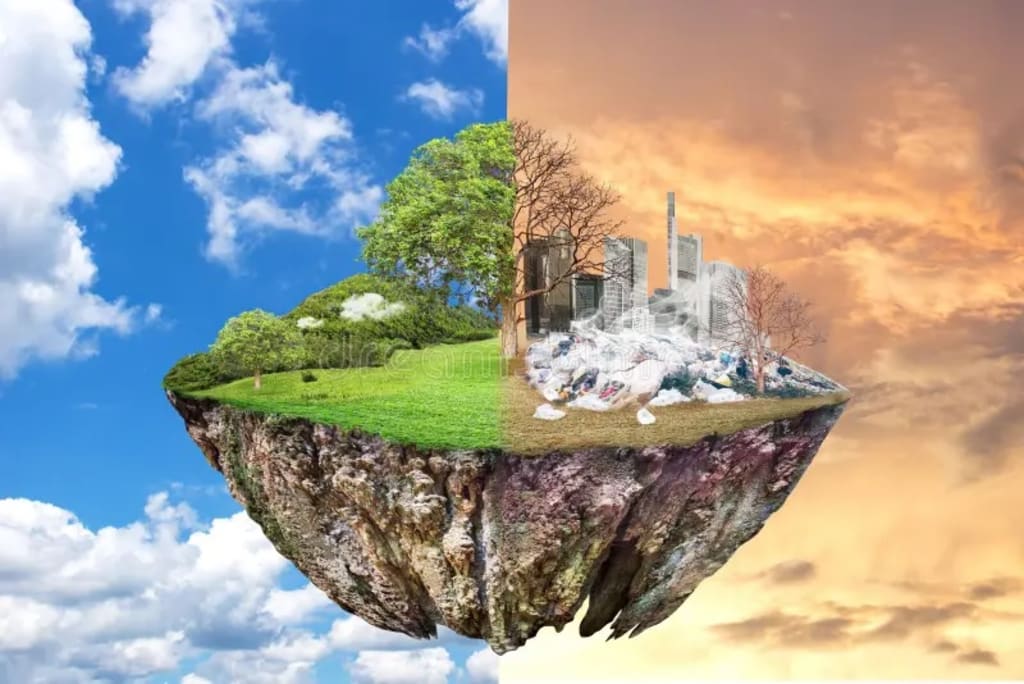
Global warming refers to the long-term increase in Earth's average surface temperature due to the accumulation of greenhouse gases (GHGs) in the atmosphere. These gases, such as carbon dioxide (CO2), methane (CH4), nitrous oxide (N2O), and fluorinated gases, trap heat from the sun, preventing it from escaping back into space. This natural greenhouse effect is essential for maintaining a habitable temperature on Earth. However, human activities, especially the burning of fossil fuels (coal, oil, and natural gas), deforestation, and certain industrial processes, have significantly increased the concentration of GHGs in the atmosphere, leading to an enhanced greenhouse effect and a rise in global temperatures.
Key points about global warming:
Greenhouse Effect: The greenhouse effect is a natural phenomenon that allows the Earth's atmosphere to retain some of the sun's heat, keeping the planet warm enough to support life. Without it, the Earth would be too cold for human habitation.
Enhanced Greenhouse Effect: Human activities have intensified the greenhouse effect by releasing additional greenhouse gases into the atmosphere. The burning of fossil fuels for energy is the primary contributor to this increase in GHGs.
Temperature Rise: As a result of the enhanced greenhouse effect, the Earth's average surface temperature has been steadily rising over the past century. This phenomenon is known as global warming.
Climate Change: Global warming is a significant driver of climate change. It leads to shifts in weather patterns, increased frequency of extreme weather events, rising sea levels, and changes in precipitation and temperature patterns.
Impacts on Ecosystems: Global warming poses a serious threat to biodiversity and ecosystems. It can disrupt habitats, endanger species, and affect the distribution and behavior of various plants and animals.
Melting Ice and Rising Sea Levels: As temperatures rise, polar ice caps and glaciers melt, leading to rising sea levels. This can result in coastal flooding, threatening low-lying regions and island nations.
Ocean Acidification: The absorption of excess CO2 by the world's oceans leads to ocean acidification, which has harmful effects on marine life, especially shell-forming organisms like corals and mollusks.
Human Impacts: Global warming has implications for human societies, including impacts on agriculture, water resources, public health, and the economy. Disadvantaged communities and developing countries are often the most vulnerable to these effects.
To combat global warming and its associated impacts, the international community has been working to reduce greenhouse gas emissions through various agreements and initiatives. The Paris Agreement, adopted in 2015, is a notable global effort aimed at limiting global warming to well below 2 degrees Celsius above pre-industrial levels, with an aspirational goal of limiting it to 1.5 degrees Celsius. Achieving this target requires transitioning to renewable and cleaner energy sources, enhancing energy efficiency, protecting forests, and implementing sustainable practices across various sectors. Individual efforts, such as reducing personal carbon footprints and advocating for sustainable policies, also play a crucial role in addressing global warming.
Environmental pollution: Refers to the introduction of harmful pollutants into the natural environment, leading to adverse effects on living organisms and ecosystems. These pollutants can be in the form of chemical substances, energy, or even noise and light. Pollution can arise from various sources, both natural and human-made, and it has become a significant global concern due to its wide-ranging impacts on the planet and its inhabitants.
The most common types of environmental pollution include:
Air Pollution: The contamination of the air by harmful gases, particulate matter, and toxic chemicals emitted from vehicles, industries, and other human activities. Air pollution can cause respiratory problems, heart diseases, and climate change.
Water Pollution: The contamination of water bodies such as rivers, lakes, oceans, and groundwater by industrial waste, agricultural runoff, sewage, and other pollutants. Water pollution can harm aquatic life, affect drinking water quality, and disrupt ecosystems.
Soil Pollution: The introduction of harmful substances into the soil, such as heavy metals, pesticides, and industrial waste, which can lead to soil degradation and contaminate food crops.
Noise Pollution: Excessive noise from traffic, industrial activities, construction, and other sources that can disturb wildlife, affect human health, and cause stress-related problems.
Light Pollution: The excessive or misdirected artificial light that interferes with natural night skies and disrupts the behavior and habitats of nocturnal animals.
Thermal Pollution: The increase in water temperature caused by the discharge of heated water from industrial processes, power plants, or urban areas, which can negatively impact aquatic life.
Radioactive Pollution: The release of harmful radioactive substances into the environment, often associated with nuclear accidents or improper disposal of nuclear waste.
The consequences of environmental pollution are far-reaching and can include:
Harm to human health: Air and water pollution can cause respiratory diseases, cancers, neurological disorders, and other health issues.
Biodiversity loss: Pollution can disrupt ecosystems, leading to a decline in plant and animal species.
Climate change: Air pollution, particularly greenhouse gas emissions, contributes to global warming and climate change.
Economic impacts: Pollution can damage agriculture, fisheries, tourism, and infrastructure, resulting in economic losses.
To address environmental pollution, governments, organizations, and individuals must work together to implement regulations, promote sustainable practices, and invest in clean technologies. Sustainable development, waste reduction, and responsible consumption are some of the key approaches to mitigate pollution and preserve the environment for future generations.
About the Creator
Keep reading
More stories from Azaad Le Bron and writers in Earth and other communities.
Torn Streets
In the heart of a once-thriving city, dark shadows crept through the alleys and vacant lots. The scent of decay mingled with the fumes of despair. The streets were torn by rival gangs vying for control over the lucrative drug trade that had swallowed the community whole.
By Azaad Le Bron2 years ago in Criminal
The timing of Earth's ice ages may be influenced by Mars.
According to recent calculations, Mars may influence the date of ice ages by helping to establish a 2.4 million-year rhythm in Earth's orbit. Recently, researchers investigated the possibility of a tiny planet leaving a discernible imprint in long-term climate records.
By Francis Dami5 days ago in Earth
15 Years After Fukushima, Japan Prepares to Restart the World’s Biggest Nuclear Plant
Fifteen years after the catastrophic Fukushima disaster, Japan is preparing to restart the world’s largest nuclear power plant. The decision marks a significant turning point in the country’s energy policy, reflecting both the urgent need for stable energy sources and the ongoing concerns about safety, environmental impact, and public trust. The move underscores Japan’s complex relationship with nuclear energy—a technology that has fueled the nation’s economic growth but also caused one of the worst nuclear disasters in history. The Fukushima Legacy In March 2011, a massive earthquake and tsunami triggered a meltdown at the Fukushima Daiichi Nuclear Power Plant, releasing radioactive material and forcing the evacuation of tens of thousands of residents. The disaster exposed flaws in safety regulations and emergency preparedness, reshaping public perception of nuclear energy in Japan and around the world. Following the incident, Japan shut down nearly all its nuclear reactors, relying heavily on imported fossil fuels to meet energy demand. The decision led to increased energy costs and heightened greenhouse gas emissions, creating pressure to diversify energy sources. Why Japan is Restarting Nuclear Reactors The restart of nuclear plants, including the world’s largest facility, is driven by several factors: Energy Security: Japan imports over 90% of its energy needs. Restarting nuclear plants reduces dependence on foreign fossil fuels and helps stabilize electricity supply. Climate Goals: Nuclear power generates electricity with minimal carbon emissions. As Japan commits to reducing greenhouse gases, nuclear energy offers a low-carbon alternative to coal and natural gas. Economic Considerations: Importing fossil fuels is expensive. Nuclear energy provides a relatively cheaper source of electricity in the long term, helping households and industries manage costs. The government emphasizes that advanced safety measures and rigorous inspections are in place, aiming to restore public confidence and prevent another disaster. Safety Measures and Upgrades Since 2011, Japan has invested heavily in upgrading nuclear infrastructure. Lessons from Fukushima have led to stricter regulations and improved disaster preparedness: Reinforced Reactor Buildings: Structures are now designed to withstand larger earthquakes and tsunamis. Advanced Cooling Systems: Redundant and automated cooling systems reduce the risk of overheating. Emergency Response Planning: Local governments and plant operators coordinate evacuation drills and disaster simulations. Regulatory Oversight: Japan’s Nuclear Regulation Authority (NRA) conducts independent inspections to ensure compliance with safety standards. Despite these measures, skepticism remains. Many citizens fear that no system can fully eliminate the risks associated with nuclear power, especially given the unpredictable nature of natural disasters in Japan. Public Opinion and Controversy The decision to restart the world’s biggest nuclear plant has sparked debate across Japanese society. Supporters argue that nuclear energy is essential for economic stability, energy security, and climate goals. They point out that without nuclear power, Japan would struggle to meet rising electricity demand and climate commitments. Opponents, however, raise concerns about safety, environmental impact, and long-term waste management. Memories of Fukushima remain vivid, and surveys indicate that a significant portion of the population is uneasy about returning to nuclear energy. Local communities near nuclear plants have voiced particular concern, fearing potential accidents and contamination. Economic and Energy Implications Restarting nuclear plants could have broad economic benefits. Stable electricity supply reduces the risk of blackouts, supports industrial activity, and helps control electricity prices for households. From an energy policy perspective, nuclear power allows Japan to balance its energy mix more sustainably. It complements renewable sources like solar and wind, which can fluctuate depending on weather conditions. Nuclear plants provide a steady “baseload” supply that renewables alone cannot guarantee. However, challenges remain: the disposal of radioactive waste, decommissioning older plants, and ensuring consistent regulatory oversight are all long-term concerns that Japan must address to maintain credibility and safety. Global Perspective Japan’s decision is being watched closely worldwide. The Fukushima disaster reshaped global nuclear policy, leading countries like Germany to phase out nuclear energy while others, including China and South Korea, continue to invest in it. Restarting the world’s largest nuclear plant sends a signal about Japan’s commitment to energy self-sufficiency and low-carbon power. It also raises questions about how other nations handle the balance between energy security and safety, especially as climate change increases the urgency for reliable, low-emission energy sources. Lessons Learned Fifteen years after Fukushima, Japan’s experience provides key lessons for the global community: Preparedness is Crucial: Robust safety standards and disaster response systems are essential for operating nuclear plants in seismically active regions. Public Trust Matters: Long-term energy policy must consider public perception and involve communities in decision-making. Diversified Energy Strategy: Nuclear power should be part of a broader energy mix, complemented by renewables to reduce risk and emissions. Continuous Oversight: Independent regulatory bodies and transparent operations are critical for maintaining safety and credibility. These lessons are not only relevant for Japan but also for any country considering nuclear power as part of its energy transition strategy. Conclusion The restart of Japan’s largest nuclear plant, fifteen years after the Fukushima disaster, represents both hope and caution. It promises more stable energy, lower carbon emissions, and economic benefits. At the same time, it reminds the world of the inherent risks of nuclear power and the need for rigorous safety, transparent governance, and public engagement. Japan’s journey reflects a broader challenge faced by many nations: how to meet growing energy demand and climate goals while ensuring safety, sustainability, and public trust. The coming years will reveal whether this bold step strengthens Japan’s energy future or reignites debate over the role of nuclear power in a post-Fukushima era.
By Muhammad Hassanabout 20 hours ago in Earth



Comments
There are no comments for this story
Be the first to respond and start the conversation.