
Gas vs. Electric Furnaces
Which Is Truly the Greener Choice?


When the time comes for a furnace replacement, the decision you make goes beyond just a comfortable home. It has a significant impact on your energy bills and, more importantly, on the environment. For decades, the primary debate has centered on gas versus electric furnaces. While gas has long been the dominant choice for heating, the push toward electrification and renewable energy has brought electric furnaces and heat pumps into the spotlight as potentially greener alternatives. But which one truly wins the title of the environmentally friendly champion? The answer is more complex than you might think, involving factors from efficiency to the source of your electricity. This article will break down the pros and cons of each system to help you make an informed and sustainable choice.
The Case for Gas Furnaces
Natural gas furnaces are a popular choice for heating homes in many parts of the world. They are highly efficient at converting fuel to heat, with modern condensing models boasting efficiency ratings of 95 percent or more. This means they waste very little of the energy they consume. Because gas is often a less expensive fuel source than electricity, gas furnaces typically have lower operating costs, making them attractive to budget-conscious homeowners.
From an environmental standpoint, gas furnaces release carbon dioxide and other greenhouse gases directly into the atmosphere when they burn fuel. This direct emission is their primary environmental drawback. While they are more efficient than older models, the combustion process itself contributes to climate change. The green credentials of a gas furnace largely depend on its efficiency rating; the higher the rating, the less fuel it burns to produce heat, which in turn means lower emissions.
The Rise of Electric Furnaces
Electric furnaces do not rely on combustion to generate heat. Instead, they use electric resistance coils to warm the air, a process similar to a toaster or an electric stove top. Their main advantage is that they produce zero on-site emissions. Since no fuel is burned within your home, there are no carbon monoxide risks or other air quality concerns associated with combustion. This makes them a safer option from a direct indoor air quality perspective.
However, electric furnaces have a major trade-off: they are generally less efficient at converting electricity to heat than gas furnaces are at converting gas to heat. This can lead to higher utility bills, especially in areas where electricity costs are high. The biggest factor in an electric furnace's environmental impact is the source of the electricity it uses. If your electricity comes from a power grid that relies heavily on coal or natural gas power plants, your "zero emission" furnace is still indirectly contributing to greenhouse gas emissions at the power plant. If your electricity is generated by renewable sources like solar, wind, or hydro, then your electric furnace is indeed the greener choice.
Heat Pumps: A Greener Electric Alternative
When discussing electric heating, it is important to include heat pumps in the conversation. While an electric furnace generates heat, a heat pump simply moves heat. In the winter, it extracts warmth from the outside air and transfers it indoors. In the summer, it reverses the process, acting as an air conditioner to move heat out of your home. This process is incredibly efficient, as it is just moving heat, not generating it.
A heat pump can be up to three times more efficient than a traditional electric furnace. It is a more effective green alternative, as it uses far less electricity to provide the same amount of heating and cooling. For this reason, many homeowners and environmental advocates are pushing for heat pumps as the true successor to both gas and electric furnaces. They offer the zero on-site emissions of an electric furnace with superior energy efficiency.
Comparing the Two: A Deeper Dive
The "greener" choice between a gas and electric furnace boils down to your location. In areas with a clean energy grid, an electric furnace or heat pump is clearly the better option. The electricity consumption, while high, is offset by the fact that it is generated from renewable sources. As more and more grids transition to renewables, electric heating becomes a more powerful tool in the fight against climate change.
On the other hand, in regions where the grid is still fossil fuel-heavy, a highly efficient gas furnace might have a smaller overall carbon footprint than a standard electric furnace. While the gas furnace has direct emissions, the electric furnace is indirectly responsible for the emissions of the power plant. You must consider the total carbon lifecycle of the energy source to make a truly informed decision.
Cost is another significant factor. A gas furnace may be more expensive to install, but its operational costs are often lower. An electric furnace typically has a lower installation cost but higher utility bills. A heat pump may have the highest upfront cost but provides the most significant long-term savings and environmental benefits due to its dual heating and cooling functionality.
The Verdict: Looking to the Future
The debate between gas and electric is not a simple one. If you are focused on immediate emissions from your home and have access to a clean energy grid, an electric furnace or, even better, a heat pump, is the clear choice. If your local grid is still heavily reliant on fossil fuels, a high-efficiency gas furnace may be the most responsible choice for today.
Ultimately, the future of heating is electric. As renewable energy becomes more accessible and affordable, electric heating systems will become the greener choice universally. The most impactful action you can take is to choose a high-efficiency system, regardless of the fuel type. This reduces energy waste and lowers your environmental impact.
Ready to make a smart and sustainable choice for your home's heating? Consult with a certified HVAC professional to explore the most energy-efficient and environmentally friendly heating options available for your home and local climate.
About the Creator
Keep reading
More stories from The Weekend Project and writers in Earth and other communities.
Water Footprint 101
When you turn on the tap to fill a glass, you see the water flowing. When you flush a toilet or run the shower, the water is tangible. But what about the water you don’t see? That invisible water is part of your "water footprint," a measure of the total freshwater used to produce the goods and services you consume. While visible water usage in your home can be addressed with simple fixes from a local plumbing company, the hidden, or "indirect," water footprint is much larger and more complex. It's the water used in the manufacturing of everything from your morning coffee to the clothes in your closet. Understanding this hidden usage is the first step toward becoming a more conscious consumer.
By The Weekend Project6 months ago in Earth
UK must double down on renewables as wars drive up energy costs, experts say
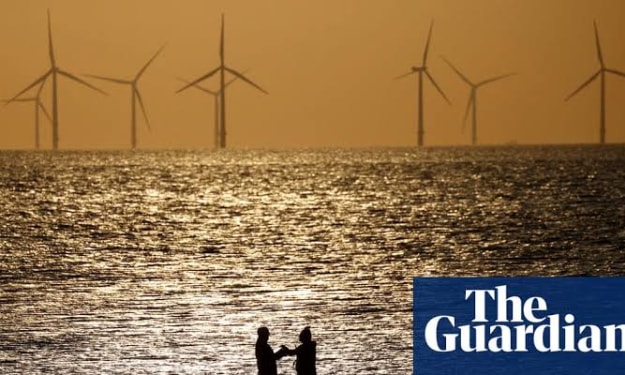
Britain must accelerate its transition toward renewable energy sources as geopolitical conflicts continue to drive global energy prices higher, according to leading energy analysts and climate policy experts. The warning comes as wars and political tensions across key energy-producing regions expose the vulnerability of countries still heavily reliant on imported fossil fuels. In recent years, the United Kingdom has made significant progress expanding renewable energy capacity, particularly in offshore wind and solar power. However, experts argue that the pace of the transition remains insufficient to shield the country from the volatility of international energy markets. Conflicts in the Middle East and Eastern Europe have demonstrated how quickly supply disruptions can translate into rising costs for households and businesses. Energy economists say the lesson from recent global crises is clear: the more dependent a country is on imported oil and gas, the more exposed it becomes to geopolitical shocks. Britain imports a substantial portion of its natural gas and refined fuel products, meaning instability in global supply chains can quickly affect domestic energy bills. During periods of international conflict, oil prices often spike due to fears that shipping routes or production facilities could be disrupted. Even rumors of attacks near key energy chokepoints — such as major pipelines or shipping lanes — can cause markets to react sharply. These fluctuations, analysts say, ultimately filter down to consumers through higher electricity and heating costs. Renewable energy sources offer a potential solution to this problem because they rely on domestic resources such as wind and sunlight rather than imported fuels. Once renewable infrastructure is built, operating costs remain relatively stable because there is no need to purchase fuel on global markets. The United Kingdom already operates some of the world’s largest offshore wind farms, and renewable energy now accounts for a significant share of the country’s electricity generation. Government data indicates that wind power alone has become one of the largest sources of electricity in Britain, particularly during periods of strong weather conditions. Despite this progress, energy specialists argue that further investment is essential. Expanding renewable generation capacity requires not only building more wind and solar farms but also upgrading the national electricity grid. A modernized grid would allow energy produced in remote offshore locations to be transmitted efficiently to cities and industrial centers. Energy storage is another critical piece of the puzzle. Because renewable sources like wind and solar are intermittent, large-scale battery systems or alternative storage technologies are needed to ensure a stable supply of electricity during periods when generation drops. Developing these systems will require both technological innovation and sustained financial investment. Some experts also emphasize the importance of diversifying the country’s renewable portfolio. While offshore wind remains a cornerstone of Britain’s energy strategy, solar power, tidal energy, and green hydrogen could also play important roles in the future energy mix. The government has already announced plans to increase renewable capacity dramatically over the next decade. Officials argue that reducing reliance on fossil fuels will not only strengthen national energy security but also help the country meet its climate targets. However, critics say policy uncertainty and slow planning approvals have sometimes delayed renewable projects. Industry leaders have urged authorities to streamline regulatory processes and provide clearer long-term incentives for investors. For many analysts, the link between energy security and climate policy has never been more obvious. Wars and geopolitical tensions have shown that fossil fuel dependence can create economic vulnerability, while domestically produced renewable energy offers greater stability. “The global energy system is changing,” said one energy policy researcher. “Countries that invest early in renewable infrastructure will be better protected from geopolitical shocks and price spikes.” As international conflicts continue to reshape global energy markets, the debate over Britain’s energy future is likely to intensify. For supporters of renewable power, the current moment represents both a warning and an opportunity — a chance to accelerate the transition toward a more secure and sustainable energy system.
By Fiaz Ahmed 6 days ago in Earth



Comments
There are no comments for this story
Be the first to respond and start the conversation.