
Water Footprint 101
What Your Daily Routine Says About Your Usage

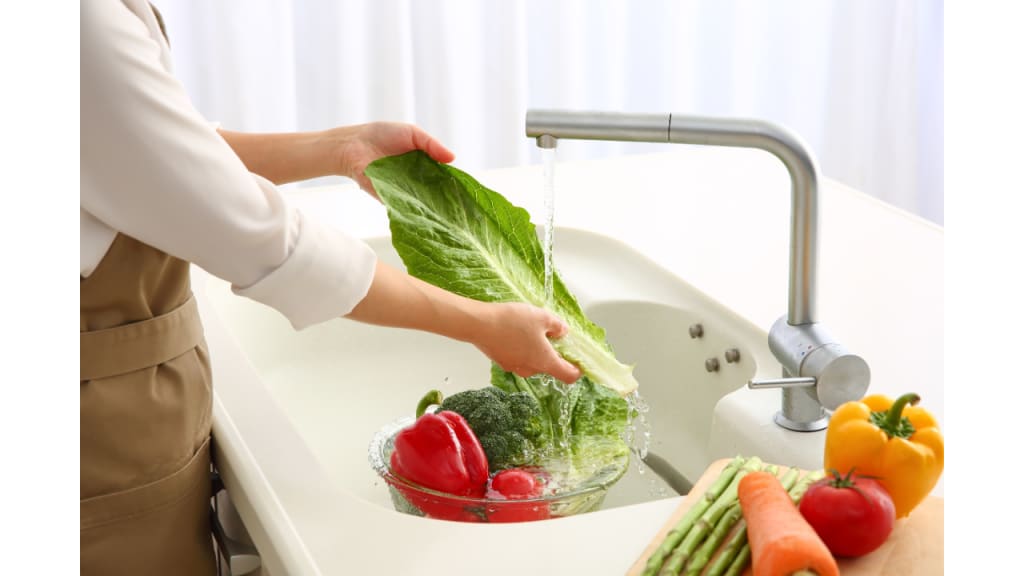
When you turn on the tap to fill a glass, you see the water flowing. When you flush a toilet or run the shower, the water is tangible. But what about the water you don’t see? That invisible water is part of your "water footprint," a measure of the total freshwater used to produce the goods and services you consume. While visible water usage in your home can be addressed with simple fixes from a local plumbing company, the hidden, or "indirect," water footprint is much larger and more complex. It's the water used in the manufacturing of everything from your morning coffee to the clothes in your closet. Understanding this hidden usage is the first step toward becoming a more conscious consumer.
Your personal water footprint is composed of two main components: direct and indirect. Direct usage is the water that comes directly from your tap, such as for drinking, cooking, washing, and gardening. Indirect usage is the vast amount of water consumed behind the scenes to create the products you buy. This includes the water used to grow crops for food and clothing, to raise livestock, to manufacture goods, and to generate the energy you use every day. For many people, the indirect water footprint is far greater than the direct one.
Let’s take a look at a typical day to see where our water footprint is hiding in plain sight.
The Morning Ritual
Your day likely begins with a cup of coffee. You might think the water used is just what’s in your mug, but the water footprint of a single cup of coffee is about 140 liters. This includes the water needed to grow the coffee beans, process them, and get them to your local grocery store. A glass of orange juice has a similar story, with its footprint tied to the water needed for citrus farming. Even your breakfast cereal, made from grains like wheat or corn, has a significant water footprint from irrigation. A small shift in your diet, such as replacing a high-water-footprint item with a lower-impact alternative, can have a cumulative effect.
Next, you get ready for work. A five-minute shower can use up to 95 liters of water. Brushing your teeth with the tap running can waste gallons. While these actions are direct and obvious, they are only a small piece of the puzzle. Consider the clothes you put on. A single cotton t-shirt can have a water footprint of 2,700 liters. The production process involves not only growing the cotton but also dyeing and finishing the fabric. By choosing durable, long-lasting clothing and buying less, you can significantly shrink this part of your footprint.
Midday Habits
Lunchtime offers another opportunity to consider your water usage. The food we eat accounts for a massive portion of our water footprint. Animal products, especially red meat, have a significantly higher water footprint than plant-based foods. For example, a single pound of beef requires over 15,000 liters of water to produce, factoring in the water needed to grow the animal's feed, water it, and clean its environment. In contrast, a pound of lentils has a water footprint of only about 1,250 liters. Simple changes in diet, like opting for chicken or plant-based meals a few times a week, can lead to substantial water savings.
Even the simple act of using a paper napkin or a plastic bottle of water contributes to your footprint. The water footprint of a plastic bottle is not just the water it holds, but also the water needed to manufacture the plastic itself. Choosing reusable containers and napkins can cut down on this hidden consumption.
The Evening Wind-Down
After a long day, you might relax on the couch and watch a show on your television or computer. The energy used to power these electronics has a water footprint, as water is often used in the generation of electricity, especially for sources like thermal power plants. Reducing your overall energy consumption by unplugging devices and using energy-efficient appliances also helps to conserve water indirectly.
When you do laundry or run the dishwasher, you are consuming a direct and visible amount of water. Running these appliances only when they are full can save thousands of liters annually. Fixing a leaky faucet or toilet, which can waste a surprising amount of water over time, is another crucial step in reducing your direct footprint. These simple household repairs make a big difference and can be done easily.
Making a Difference
Becoming aware of your water footprint is the first step. It is easy to see the water we use directly, but it is the invisible, indirect consumption that truly adds up. By making small, informed changes to your daily routine, you can have a big impact. Choose a more plant-based diet, support sustainable fashion brands, and invest in durable products. In your home, be mindful of your water usage by taking shorter showers, turning off the tap, and making sure your appliances are used efficiently.
Your daily routine holds the key to a more sustainable future. Every decision, no matter how small, has a ripple effect. Begin today by analyzing your own consumption patterns and making conscious choices that reflect a commitment to a more water-conscious lifestyle.
About the Creator
Keep reading
More stories from The Weekend Project and writers in Earth and other communities.
The True Impact of Chemical Drain Cleaners
Clogged drains are an undeniable nuisance, a sudden halt to the smooth flow of daily life. In the face of a stubborn blockage, the quick fix offered by a bottle of chemical drain cleaner seems like a beacon of convenience. You pour, you wait, and the problem often appears to vanish. This seemingly simple solution has made these products a staple in households for decades. However, a deeper look reveals that this convenience comes at a significant cost, not only to your home's plumbing but also to the broader environment. A qualified plumbing contractor in Belleville or any local expert will often advise against their use, and for good reason. The allure of instant gratification hides a darker truth about the corrosive and polluting nature of these powerful chemicals.
By The Weekend Project6 months ago in Earth
When the Stars Whispered
The Night Sky Like Never Before I had always been fascinated by astronomy, spending countless nights in my backyard with a modest telescope, charting constellations, tracking planets, and occasionally glimpsing distant galaxies as faint smudges of light against the infinite darkness. But on one crisp night in March 2026, something extraordinary occurred that defied both expectation and explanation, a cosmic phenomenon that no scientific journal could easily classify, and yet it felt intimately personal, as if the universe itself were reaching out to communicate. The sky was unusually clear, the stars sharp and luminous like diamonds scattered across black velvet, and the Milky Way stretched overhead in a ribbon of silvery light that seemed to pulse ever so slightly, a rhythm I hadn’t noticed before.
By The Curious Writer2 days ago in Earth
Thief In The Night
To the thief in the night that took and replicated what once was mine: Honestly, I feel kind of bad for you. It’s funny, because we hardly know each other. I only know of you through the magazines you’ve written and the broadcasts you have televised in the past — as well as through the public mentions of you from your show business connections there.
By Snarky Lisa7 days ago in Humans


Comments
There are no comments for this story
Be the first to respond and start the conversation.