
Gardening: A Personal Response to Global Warming
Gardening vs Global Warming

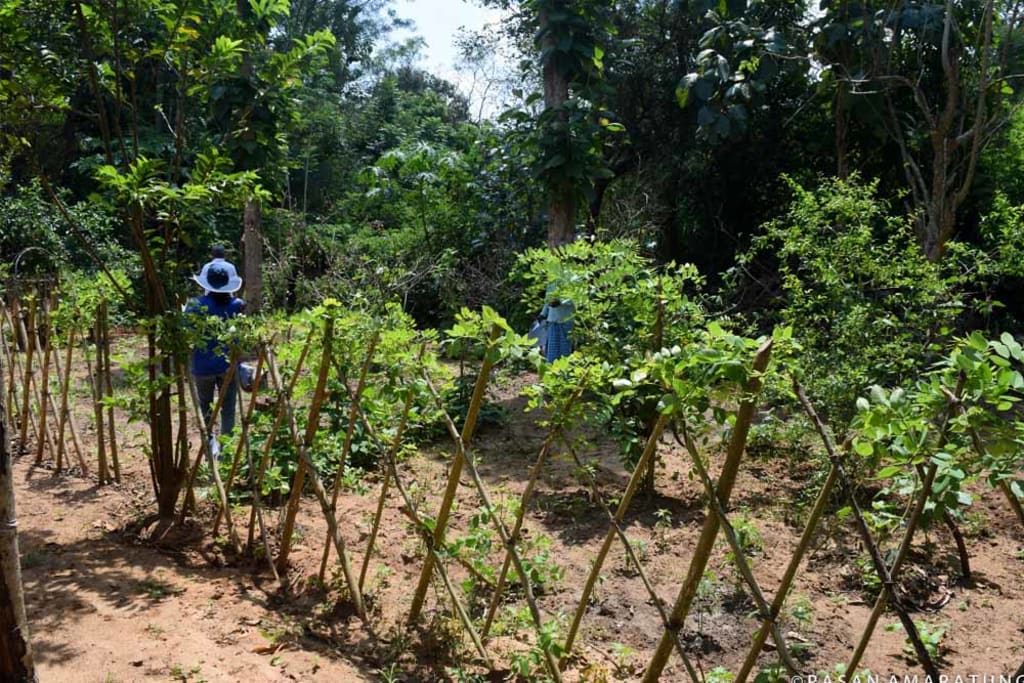
In an era defined by the looming threat of global warming, individuals are seeking ways to make a positive impact on the environment. Gardening, often viewed as a leisurely pursuit, has emerged as a powerful tool in the fight against climate change. It provides not only an avenue for personal enjoyment but also a means to mitigate the effects of this pressing global issue.
Global warming, driven by the increasing concentration of greenhouse gases in the Earth's atmosphere, has dire and far-reaching effects on our planet. These impacts are already being observed and are projected to worsen if significant mitigation measures are not taken.
One of the most significant contributions gardening makes to combat global warming is through carbon sequestration. Plants absorb carbon dioxide (CO2) from the atmosphere during photosynthesis, converting it into oxygen and storing the carbon in their tissues. This process effectively reduces the overall concentration of CO2 in the atmosphere, a key driver of global warming. Through the strategic placement of trees, shrubs, and other vegetation, gardeners can create miniature carbon sinks right in their own backyards.
Furthermore, gardens can serve as microcosms of biodiversity and resilience. As climate change disrupts ecosystems worldwide, providing a haven for native plants can help protect local biodiversity. Native species are adapted to the specific conditions of their region and can better withstand the challenges posed by a changing climate. By cultivating native plants, gardeners contribute to the preservation of local ecosystems, offering critical support to pollinators and other wildlife.
Water conservation is another critical aspect of gardening's role in combating global warming. Traditional lawns, with their vast expanses of thirsty grass, can be replaced with drought-tolerant and native plants that require far less water to thrive. Additionally, implementing rainwater harvesting techniques and utilizing efficient irrigation systems can further reduce water consumption. By adopting these practices, gardeners not only conserve a precious resource but also alleviate the strain on water supplies in regions affected by drought—a growing concern in the face of climate change.
Moreover, gardening encourages sustainable and organic practices that minimize the use of harmful chemicals and pesticides. Chemical fertilizers contribute to greenhouse gas emissions and water pollution, exacerbating environmental degradation. By employing composting, natural pest control methods, and organic fertilizers, gardeners create healthier, more balanced ecosystems that are better equipped to withstand the challenges posed by a changing climate.
Gardens also offer a unique opportunity for education and community engagement. Through workshops, seminars, and community gardens, individuals can learn about sustainable gardening practices and foster a sense of environmental stewardship. These shared spaces provide a platform for exchanging ideas, experiences, and knowledge, empowering communities to take collective action against global warming.
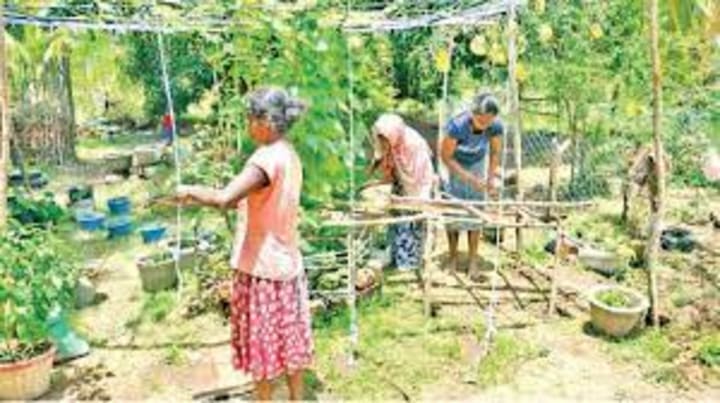
In addition to its environmental benefits, gardening offers a range of personal rewards. It promotes mental well-being, reduces stress, and enhances overall quality of life. Tending to a garden fosters a deeper connection with nature, instilling a sense of responsibility for the environment. As individuals witness the positive impacts of their gardening efforts, they become more inclined to advocate for broader environmental initiatives.
In conclusion, gardening emerges as a powerful response to global warming, offering a myriad of environmental, social, and personal benefits. Global warming emphasize the urgent need for concerted global efforts to reduce greenhouse gas emissions, adapt to the changes that are already occurring, and work towards a more sustainable and resilient future for our planet. Through carbon sequestration, biodiversity preservation, water conservation, and sustainable practices, gardeners play a crucial role in mitigating the effects of climate change. By embracing gardening as a proactive and meaningful endeavor, individuals take a significant step towards creating a more sustainable and resilient future for our planet.
About the Creator
Bevin Hewa Palihakkara
Bevin Hewa Palihakkara
Medical student
23 years old
I am interest in human behavior and climate change.
Keep reading
More stories from Bevin Hewa Palihakkara and writers in Earth and other communities.
Food WARS
The world has a complex relationship with meat consumption. While it has evolved from a luxury to a staple, the environmental and ethical consequences of our carnivorous habits cannot be ignored. This essay explores the paradox of our love for meat, the inefficiencies in global meat production, the ethical implications for animal welfare, and the potential solutions to this intricate issue.
By Bevin Hewa Palihakkara2 years ago in Earth



Comments (1)
I love gardening! Great work!