
Future Prospects: Could We Live in an Underwater City?
Looking into the Future: Could We Live in an Underwater City?

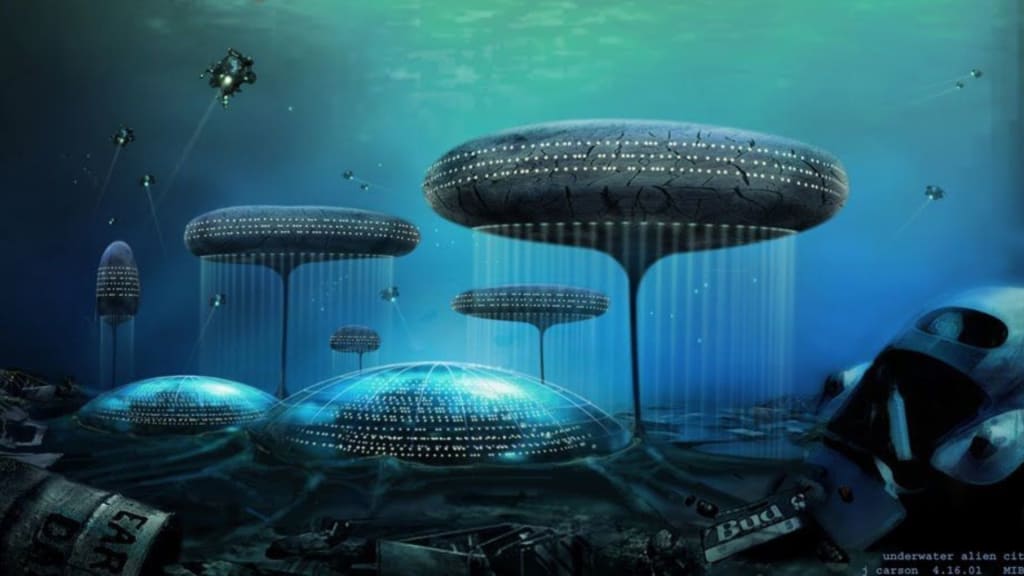
How would life be in a city that is submerged in the ocean? Learn about the potential advantages and difficulties of residing in an underwater metropolis, including psychological effects and sustainable energy sources, and about the most recent developments in underwater architecture, engineering, and design that are opening up new possibilities for urban living. What would it be like to reside in a city beneath the sea? Join us as we investigate the technological options that could make this future idea a reality and the difficulties of residing in an underwater metropolis, from renewable energy supplies to the psychological effects of doing so. Discover the most recent developments in underwater engineering, architecture, and design that are opening up a new area for urban living.
The demand for fresh ideas and creative approaches to urban living is rising as the world's population expands. The idea of an underwater city is one such answer that has been a mainstay of science fiction for a long time. Even though it might seem like a crazy idea, developments in engineering, architecture, and design are making it possible for it to become a future reality. In this piece, we'll look at the pros and cons of living in an underwater metropolis, as well as its advantages and disadvantages. We'll also look at the most recent technical developments that are bringing this futuristic vision to life and its consequences for urban living in the future.
Imagine that it is the year 2035 and that our planet has undergone a complete transformation. People have been dealing with issues like rising sea levels, extreme weather, and the ocean becoming more and more acidic for years, but in one of the world's largest coastal cities, the situation has reached an alarming level. On a sunny day in June, a powerful earthquake rocked the city to its foundation. People's feet heaved and shook, and buildings swayed dangerously.
After the disaster, city officials realized they couldn't simply rebuild the city as it had been; they needed to be better prepared for the next possible disaster. As a result, they came up with the incredibly ambitious project of building an underwater city with the aim of creating a self-sufficient, sustainable city. Renewable energy sources like tidal power and underwater solar panels would power an ocean-submerged metropolis that could withstand any natural disaster. It would also be built to withstand extreme weather conditions and have its own emergency response systems.
The project drew some of the top scientists, engineers, and architects in the world. They toiled assiduously to design the city and carefully considered every aspect of the project. The underwater city would have every amenity a typical city has, including schools, hospitals, stores, and restaurants. There would also be underwater farms where fish and other marine creatures could grow. The city would even have its own transportation system, including advanced submarines and underwater cars. After years of trial and error, the team of scientists and engineers finally created the ideal underwater city, a marvel of engineering, a self-contained ecosystem that could sustain people indefinitely. However, as time went on, the project no longer seemed to be so perfect; the cost of the project turned out to be higher than planned, and there were also concerns about how long such a project would exist given that the ocean is very unpredictable.
It wasn't long until the first colonists arrived at the underwater metropolis. This group of individuals, which included a variety of people, had each chosen to live in this new environment beneath the seas for a variety of reasons, some of which included explorers looking for a new world to explore. While others were hoping to escape natural disasters raging on dry land, despite their differences, all these people shared a common goal to build a new society that was in harmony with the natural world. The underwater city flourished, and new discoveries were made every day. The colonists developed new technologies and ways to tame the power of the ocean. They learned to farm the sea and started cultivating underwater gardens that provided them with a steady food supply, but living underwater was challenging. People felt isolated and even claustrophobic. The situation came to a head when a group of activists started to protest against the city's expansion plans. They argued that the underwater city was a threat to the environment it was meant to protect and that the colonists should focus on reducing their impact on the delicate underwater life. The protests sparked a heated debate among the colonists.
Some of them argued that the survival of the city depended on its growth and expansion, while others claimed that the city needed to prioritize the protection of the environment. Above all else, a compromise was eventually reached: the city would continue to grow, but sustainability and a responsible attitude toward the environment would take precedence. The colonists would try their best to lessen their impact on the environment by using new technologies and adhering to strict conservation guidelines, and they would also keep in mind the value of protecting the ocean and its delicate ecosystem.
As the years passed and the underwater city thrived, new generations of colonists were born and grew up in a world very different from the one their ancestors had known. They had never seen the world above the water, but they valued the beauty and complexity of the underwater world they called home. The city eventually came to represent hope for a world suffering from the devastating effects of climate change because it demonstrated that despite all differences, people can still get along.
Although the idea of an underwater city was once confined to science fiction, it is now becoming a viable option for urban living in the future thanks to technological advancements. While residing in an underwater city has many potential advantages, such as having access to renewable energy sources and a distinctive environment, there are also many obstacles to be overcome, including the psychological effects of living in an underwater environment and the high cost of construction and maintenance. It is critical to weigh the advantages and disadvantages of underwater cities as we continue to investigate their potential and weigh the pros and cons of this futuristic idea for urban living. In the end, the creation of underwater cities represents a fascinating new frontier in human invention and the possibility of finding fresh, long-lasting solutions to the problems affecting our planet right now.
About the Creator
Althea March
I am a writer who searches for facts to create compelling nonfictional accounts about our everyday lives as human beings, and I am an avid writer involved in creating short fictional stories that help to stir the imagination for anyone.
Keep reading
More stories from Althea March and writers in Earth and other communities.
No One Knows Why Mysterious Clouds Keep Appearing in These Waters
In certain waters, mysterious clouds have been seen, but no one knows where they came from. Certain waters have seen mysterious clouds, but it is still unclear where they came from. Learn what experts and scientists think about these mysterious clouds and the potential effects they may have on the environment. Join us as we investigate this fascinating phenomenon, the several hypotheses relating to its occurrence, and the plethora of hypotheses that surround it. Find out what experts and scientists have to say about these mysterious clouds and any potential environmental effects they may have.
By Althea March3 years ago in Earth
A Planet the Size of Earth with an Atmosphere Like Our Own
For centuries, humans have looked up at the night sky and wondered whether Earth is the only world capable of supporting life. Advances in modern astronomy have brought us closer than ever to answering that question. Recently, astronomers announced the discovery of a planet roughly the size of Earth with an atmosphere that appears surprisingly similar to our own. This finding has sparked excitement among scientists and renewed hope that life might exist elsewhere in the universe.
By Irshad Abbasi 7 days ago in Earth
The First Rainbow Baby
Pitter-patter, pitter-patter. The rain fell in rhythmic splatters, slowly slowing, but still constant. Mira rolled onto her side pulling the blanket tight against her ears, but still she could hear chitter-chatter and scurrying feet of the creatures that refused to sleep in the lower decks.
By A. J. Schoenfeldabout 21 hours ago in Fiction


Comments