
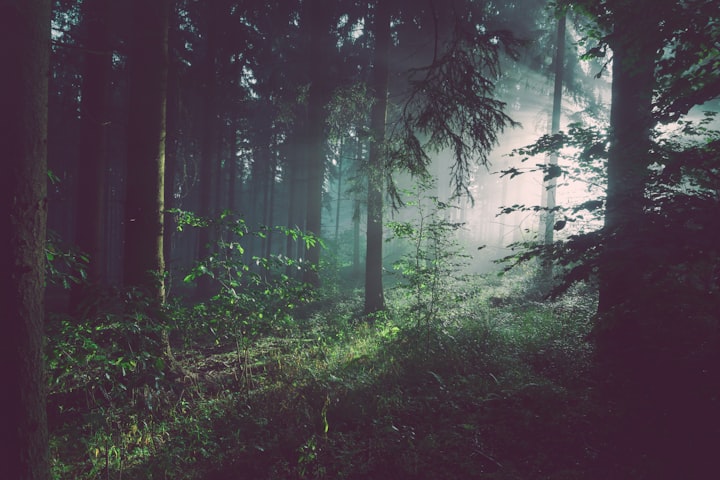
Forests are ecosystems made up of trees and other plant life, as well as the animals that live in and among them. They are found all over the world and play important roles in the planet's climate, air and water cycles, and biodiversity.
Forests are also home to millions of people, many of whom rely on them for food, medicine, and other resources. However, forests are under threat from human activities such as logging, mining, and land conversion for agriculture and urban development.
Deforestation, the conversion of forested areas to non-forested land, is a major concern as it contributes to climate change, loss of biodiversity and displacement of Indigenous people and traditional communities.
Conservation efforts such as protected areas, reforestation, and sustainable forest management practices have been implemented to preserve these ecosystems. Additionally, initiatives such as the Reducing Emissions from Deforestation and Forest Degradation (REDD+) program aim to create financial incentives for countries to conserve their forests.
Forests also have an economic value, for example, the timber industry provides jobs and income, but it's important to balance the economic benefits with the ecological importance of forests.
Overall, forests are crucial for maintaining the health and well-being of the planet and its inhabitants and it's important to take action to protect them.
Deforestation is the removal of trees and other vegetation from forested areas. It is a major global issue and has significant negative effects on the environment, as well as on the people and animals that depend on forests.
One of the main effects of deforestation is the loss of biodiversity. Forests are home to millions of species of plants and animals, many of which are found nowhere else on Earth. When forests are destroyed, these species are lost, and the delicate balance of ecosystems is disrupted. This can lead to the extinction of many species, as well as the decline of others.
Deforestation also has a major impact on the Earth's climate. Trees absorb carbon dioxide from the atmosphere, which helps to regulate the Earth's temperature. When forests are destroyed, the carbon stored in the trees is released back into the atmosphere, contributing to global warming. Deforestation is responsible for about 15% of global greenhouse gas emissions, making it one of the main drivers of climate change.
Another impact of deforestation is on the people who depend on forests for their livelihoods. Many indigenous communities and traditional forest dwellers rely on forests for food, medicine, and other resources. Deforestation often leads to displacement and loss of livelihoods, as well as increased poverty.
Deforestation also has an impact on the water cycle. Trees and vegetation help to regulate the flow of water and prevent soil erosion. When forests are destroyed, there is an increased risk of floods and landslides.
Overall, deforestation has far-reaching and devastating effects on the environment and on the people and animals that depend on forests. This is why it's important to take action to preserve these ecosystems and to implement sustainable land-use practices that balance economic development with the conservation of natural resources.
There are several ways to save forests and protect them from further destruction. Some of the key strategies include:
Protected areas: Establishing protected areas, such as national parks and wilderness areas, can help to preserve forests and their unique biodiversity.
Sustainable forestry: Implementing sustainable forestry practices, such as selective logging and reforestation, can help to ensure that the forest ecosystem is not destroyed while still allowing for the use of forest resources.
Reducing demand for products that drive deforestation: By reducing the demand for products that contribute to deforestation, such as beef, palm oil, soy, and timber, it can help to decrease the financial incentives for destroying forests.
Supporting conservation efforts: Supporting conservation organizations, such as the World Wildlife Fund, and indigenous and traditional communities who are working to protect their forests can help to ensure that their efforts are successful.
Encourage reforestation and afforestation: This can be done by government policies and private sectors, where by planting new trees and plants in deforested areas, it can help to restore lost habitats and sequester carbon.
Education and awareness: Raising awareness about the importance of forests and the consequences of deforestation can help to build support for conservation efforts and encourage individuals to make sustainable choices.
It's important to note that preserving forests requires collaboration and commitment from governments, private sectors, NGOs, and communities. By working together, it's possible to protect these vital ecosystems and the many benefits they provide to the planet and its inhabitants.
About the Creator
Keep reading
More stories from KARUNAGARAN V and writers in Earth and other communities.
Taj Mahal
The Taj Mahal is an iconic white marble mausoleum located in Agra, India. It is widely considered to be one of the greatest examples of Mughal architecture, a blend of Indian, Persian, and Islamic styles. The monument was built by the Mughal Emperor Shah Jahan in memory of his beloved wife, Mumtaz Mahal, who died during childbirth in 1631.
By KARUNAGARAN V3 years ago in Earth
Whales should be protected!
Carbon dioxide is one of the main gases responsible for global warming. When too much carbon dioxide builds up in the atmosphere, it traps heat from the sun and causes the Earth’s temperature to rise. If this problem continues without control, it could lead to serious environmental damage and may even make parts of the Earth difficult for humans and animals to live in. Therefore, it is important to find natural ways to reduce carbon dioxide levels. One surprising but very important solution is protecting whales, as they play a role in storing carbon in their bodies and supporting ocean ecosystems.
By *+*+*~Teja~*+*+*about 16 hours ago in Earth




Comments
There are no comments for this story
Be the first to respond and start the conversation.