
Floods: Causes, Impacts, Management, and Adaptation Strategies
Understanding Floods: Causes, Impacts, and Management Strategies


Introduction
Floods are natural disasters that have occurred throughout Earth's history and continue to pose significant threats to communities and ecosystems around the world. A flood is defined as an overflow of water that submerges land that is usually dry. These events can be caused by various factors, such as heavy rainfall, snowmelt, storm surges, dam failures, tsunamis, or rapid ice melting in regions with glaciers. Floods can result in devastating consequences, including loss of human lives, extensive property damage, disruption of economic activities, and environmental degradation.
This comprehensive article delves into the causes and impacts of floods, explores flood management and mitigation strategies, and discusses the importance of adaptation measures to reduce the vulnerability of communities to future flood events. With a focus on scientific research and practical solutions, this article aims to provide a thorough understanding of floods and their implications for society and the environment.

Causes of Floods
1.Heavy Rainfall
Heavy rainfall is a common cause of floods, particularly in regions with monsoon climates, tropical rainforests, or during intense storm systems. When rainfall exceeds the soil's infiltration capacity, the excess water accumulates on the surface, leading to flooding. Factors such as deforestation, urbanization, and soil degradation can exacerbate this process, reducing the land's ability to absorb water.
2. Snowmelt
In colder regions, snow accumulation during the winter season can lead to significant snowpacks. During the warmer months, as temperatures rise, the snow melts, releasing large volumes of water into rivers and streams. If the rate of snowmelt exceeds the water bodies' capacity to handle the inflow, flooding can occur.
3. Storm Surges
Storm surges are coastal floods caused by intense tropical cyclones or hurricanes. These storms generate powerful winds that push seawater toward the shore, raising sea levels significantly. When combined with high tides, storm surges can inundate coastal areas, leading to severe flooding.
4. Dam Failures
Dams are built to control water flow and store water for various purposes, such as irrigation, hydropower generation, and water supply. However, when dams fail due to structural issues, extreme weather conditions, or mismanagement, they can release large amounts of water downstream, resulting in catastrophic flooding.
5. Tsunamis
Tsunamis are large ocean waves caused by underwater earthquakes, volcanic eruptions, or landslides. These waves can travel across vast distances and inundate coastal areas, causing extensive damage and loss of life.
6. Rapid Ice Melting
In regions with glaciers or ice sheets, rapid ice melting can occur due to rising temperatures. This process can lead to glacial outburst floods, where large volumes of water are suddenly released into downstream areas.
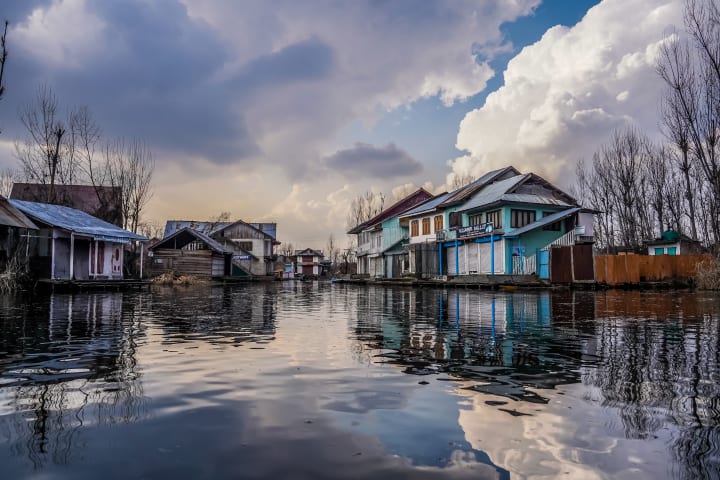
Impacts of Floods
1. Human Lives
Floods pose a significant risk to human lives, with direct impacts including drowning, injuries, and fatalities. Individuals caught in fast-flowing floodwaters or trapped in buildings face life-threatening situations.
2. Property Damage
One of the most apparent impacts of floods is property damage. Floodwaters can inundate homes, buildings, infrastructure, and vehicles, leading to massive economic losses. Recovery and reconstruction after a flood event can be financially burdensome for affected communities.
3. Displacement and Migration
Floods can force people to evacuate their homes temporarily or permanently. In extreme cases, communities may need to relocate due to repeated flood events, leading to environmental and social challenges.
4. Economic Consequences
Floods can disrupt economic activities, affecting businesses, agriculture, transportation, and trade. The costs associated with flood damage and recovery can strain local and national economies.
5. Infrastructure Damage
Critical infrastructure such as roads, bridges, utilities, and communication systems can be severely damaged or destroyed during floods, hindering emergency response and recovery efforts.
6. Agriculture and Food Security
Floods can submerge farmlands, destroy crops, and kill livestock, leading to food shortages and increased food prices. This can have severe consequences for food security, particularly in vulnerable regions.
7. Environmental Degradation
Floods can cause soil erosion, sediment deposition, and water pollution, leading to adverse effects on aquatic ecosystems and biodiversity. Wetlands and natural habitats can also be negatively impacted.
8. Public Health Issues
Floodwaters can become contaminated with sewage, chemicals, and other hazardous substances, leading to waterborne diseases and public health risks.
9. Psychological and Social Impact
Floods can have psychological effects on individuals and communities, leading to anxiety, stress, and trauma. The disruption of social networks and support systems can further exacerbate the psychological impact.
Flood Management and Mitigation Strategies
1. Early Warning Systems
Implementing effective early warning systems is crucial to providing timely alerts about potential floods. These systems use weather monitoring, rainfall forecasts, river gauges, and communication networks to inform communities at risk, enabling them to take necessary precautions and evacuate if required.
2. Flood Control Infrastructure
Building and maintaining flood control infrastructure can help manage floodwaters and reduce the impact on populated areas. Measures such as levees, floodwalls, embankments, and flood channels can divert or contain floodwaters.
3. Sustainable Land Use Planning
Sensible land use planning can reduce flood risk by avoiding construction in flood-prone areas. Identifying and preserving natural floodplains and wetlands can also help absorb excess water during flood events.
4. Reservoir Management
Proper management of reservoirs can help mitigate flooding downstream. By adjusting water release rates during heavy rainfall or snowmelt, dams can regulate water flow and prevent sudden surges.
5. Floodplain Zoning and Building Codes
Enforcing floodplain zoning and building codes can ensure that new constructions are located and designed to withstand flood events. Elevating buildings, using flood-resistant materials, and establishing setback requirements are essential measures.
6. Reforestation and Green Infrastructure
Restoring and preserving forests and green spaces can help reduce soil erosion and improve water absorption, thus mitigating the risk of floods.
7. Flood Insurance
Encouraging individuals and businesses in flood-prone regions to obtain flood insurance can provide financial protection after a flood event, facilitating faster recovery.
Climate Change and Floods
1. Increasing Risk
Climate change is exacerbating the frequency and intensity of extreme weather events, including heavy rainfall, storms, and hurricanes. As global temperatures rise, the atmosphere can hold more moisture, leading to increased precipitation during extreme weather events and consequently raising the risk of floods.
2. Sea Level Rise
Rising global temperatures also contribute to the melting of polar ice caps and glaciers, leading to an increase in sea levels. Coastal areas are particularly vulnerable to flooding due to sea level rise, especially when combined with storm surges during intense storms.
3. Adapting to Climate Change
Adapting to climate change is crucial for reducing the vulnerability of communities to future flood events. This involves implementing sustainable land use practices, enhancing infrastructure resilience, and promoting nature-based solutions to manage flood risks.
About the Creator
Anaz
Earth Related Topics
Green Earth: Nurturing Our Planet for a Sustainable Future
Wall Street Hits Fresh Records as Trump Talks Down the Dollar
Wall Street surged to fresh record highs this week, defying concerns about inflation, interest rates, and global economic uncertainty. Analysts point to a mix of positive earnings reports, resilient consumer spending, and, unexpectedly, comments from former President Donald Trump about the U.S. dollar as factors influencing investor sentiment.
By Aarif Lashari2 days ago in Earth


Comments (3)
Anaz, Another interesting article, much food for thought. We had a truly severe flood a couple of years back. I almost lost my "Little Lady," (my dog,) she jumped in the river and swam for her life. Again, thank you, Diane Markey.
Fighting with nature is always disastrous. We must adapt to Nature, the only way to safety from its wrath.
This is too sad.