
Fewer countries build new nuclear reactors in 2024
Fewer countries are building new nuclear reactors in 2024 due to economic, regulatory, and energy policy shifts. Discover the latest trends and future outlook.

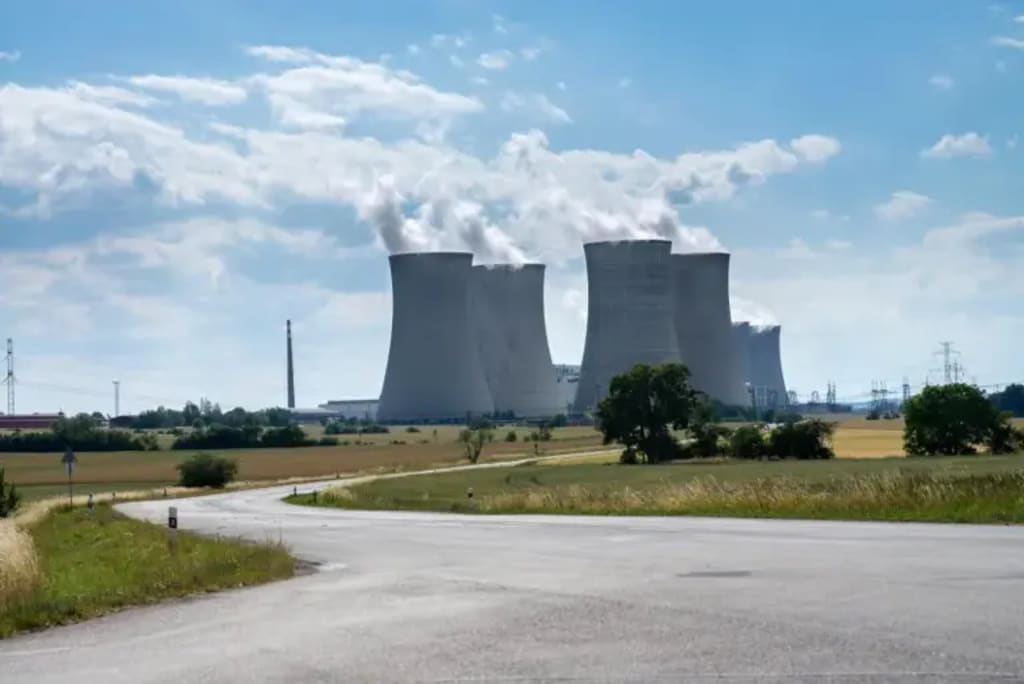
In 2024, the global nuclear energy landscape experienced a notable shift, with a decrease in the number of countries initiating new nuclear reactor projects. This trend reflects evolving energy policies, economic considerations, and technological advancements influencing nations' decisions regarding nuclear power development.
Global Overview
As of December 2024, approximately 63 nuclear reactors were under construction worldwide. This figure indicates a consolidation in nuclear development, with fewer countries embarking on new projects compared to previous years. The concentration of these construction activities is predominantly in Asia, underscoring the region's commitment to expanding its nuclear energy capacity.
Regional Insights
- Asia: Asia remains at the forefront of nuclear reactor construction. China leads with 28 reactors under construction, reflecting its strategic emphasis on diversifying energy sources and reducing carbon emissions. India follows with seven reactors under construction, aiming to bolster its energy infrastructure to meet growing demand. Other countries in the region, such as Bangladesh and Pakistan, are also contributing to the nuclear expansion with two and one reactors under construction, respectively.
- Europe: In Europe, nuclear construction activities are more measured. Russia has four reactors under construction, aligning with its long-standing expertise in nuclear technology. The United Kingdom is progressing with two reactors, including the notable Hinkley Point C project, which has faced delays but remains a significant component of the UK's energy strategy. France, traditionally a nuclear energy leader, is focusing on modernizing its existing fleet and exploring advanced reactor technologies.
- Middle East and Africa: The Middle East and Africa are emerging regions in nuclear development. Egypt has initiated the construction of four reactors, marking its entry into the nuclear energy sector. Turkey is also advancing with four reactors under construction, reflecting its ambition to diversify energy sources and enhance energy security.
Factors Influencing the Trend
Several factors contribute to the observed decline in the number of countries building new nuclear reactors:
- Economic Considerations: The high capital costs associated with nuclear reactor construction, coupled with long project timelines, pose significant financial challenges. Many countries are cautious about committing to such investments, especially amid economic uncertainties.
- Regulatory and Safety Concerns: Stringent safety standards and complex regulatory frameworks can lead to delays and increased costs. Countries lacking robust regulatory infrastructures may find it challenging to embark on nuclear projects.
- Alternative Energy Sources: The rapid advancement and decreasing costs of renewable energy technologies, such as solar and wind, offer attractive alternatives. Nations are increasingly investing in these sources to meet energy demands and climate goals.
- Public Perception and Political Will: Public apprehension regarding nuclear safety, influenced by past incidents, affects political decisions. Gaining public support is crucial for the initiation and continuation of nuclear projects.
Future Outlook
Despite the decline in the number of countries building new reactors, the global nuclear industry is exploring innovative approaches to revitalize growth:
- Small Modular Reactors (SMRs): SMRs offer a promising avenue with their potential for lower costs, enhanced safety features, and flexibility in deployment. Countries like the United Kingdom and France are investing in SMR development to rejuvenate their nuclear sectors.
- International Collaborations: Partnerships between nations, such as the agreement between India and France to develop advanced modular reactors, aim to leverage shared expertise and resources to overcome challenges in nuclear development.
- Modernization of Existing Infrastructure: Efforts to standardize plant designs and modernize aging infrastructure are underway to improve efficiency and reduce construction times. Projects like Sizewell C in England exemplify this approach by replicating existing designs to capitalize on prior experience.
In conclusion, while fewer countries initiated new nuclear reactor projects in 2024, the industry is adapting through technological innovation, strategic collaborations, and modernization efforts. These initiatives aim to address the challenges hindering nuclear expansion and position nuclear energy as a viable component of the global energy transition.
About the Creator
Minecraft APK Download (Android, Pro Unlocked)
Fast free Minecraft APK Download for Android. Get Minecraft Pocket Edition, mods, and the latest version. Enjoy building and exploring in Minecraft PE. NBS Reborn APK.
Keep reading
More stories from Minecraft APK Download (Android, Pro Unlocked) and writers in Earth and other communities.
Major 7.6 Magnitude Earthquake Strikes Caribbean, Triggering Tsunami Warnings Across Region
A powerful 7.6 magnitude earthquake struck the Caribbean Sea near the Cayman Islands on [insert date], sending tremors across the region and prompting immediate tsunami warnings for Puerto Rico, Honduras, Jamaica, and other coastal nations. The U.S. Geological Survey (USGS) reported the quake’s epicenter approximately 80 miles southeast of Grand Cayman, at a depth of 10 kilometers, making it a shallow and potentially destructive event. The Pacific Tsunami Warning Center (PTWC) swiftly issued alerts, urging residents in low-lying areas to evacuate. This article delves into the earthquake’s impacts, regional responses, and the science behind Caribbean seismic threats.
By Minecraft APK Download (Android, Pro Unlocked)about a year ago in Earth
Pruning Shrubs with Confidence: When and How to Make the Cut
For many gardeners, pruning triggers anxiety. The fear of cutting the wrong branch at the wrong time and ruining years of growth stops countless pruners in their tracks. The result? Overgrown shrubs that bloom poorly, harbor disease, and obscure windows and walkways.
By Emma Wallace5 days ago in Earth


Comments
There are no comments for this story
Be the first to respond and start the conversation.